 Pin It
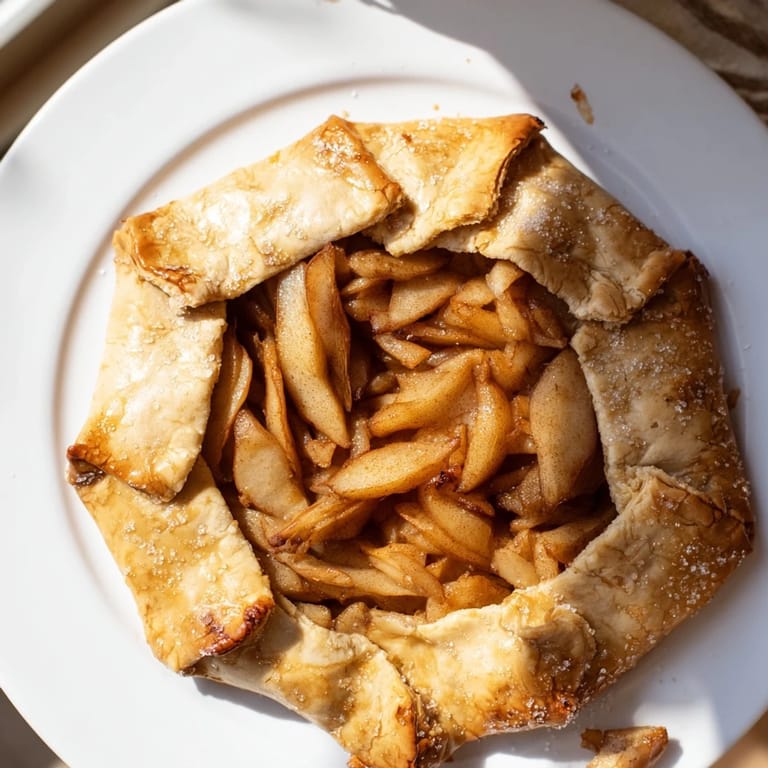
 I threw together my first galette on a rainy October afternoon when I had pears going soft on the counter and no pie pan in sight. The dough came together in minutes, and folding those rough edges over the filling felt more like play than precision. When it came out of the oven, golden and cracked in all the right places, I realized I'd been overthinking dessert for years. The ginger hit just right against the sweet pears, and no one cared that it wasn't a perfect circle.
I made this for a small dinner party last fall, and everyone went quiet after the first bite. One friend asked if I'd been hiding some secret baking talent, and I just laughed because I'd crimped the edges while talking on the phone. It's become my go-to when I want to look like I tried without actually fussing, and somehow it always tastes better than anything that takes twice the effort.
Ingredients
- All-purpose flour: The base of your pastry, it gives structure without being fussy, and I've never had to sift it for a galette.
- Unsalted butter, cold and cubed: This is what makes the crust flaky, so keep it cold and work quickly or it'll turn greasy instead of tender.
- Ice water: Add it slowly because too much makes the dough sticky, and you only need just enough to bring it together.
- Ripe pears, peeled and sliced: I use Bartlett or Bosc, and they should be firm enough to slice thin but ripe enough to smell sweet.
- Crystallized ginger, finely chopped: This adds little bursts of spice and chew, and I've learned to chop it small or it clumps in the filling.
- Light brown sugar: It melts into the pears and caramelizes slightly in the oven, adding a deeper sweetness than white sugar ever could.
- Lemon juice: A quick splash keeps the pears from browning and balances the sugar with a hint of brightness.
- Ground ginger and cinnamon: These warm spices tie everything together, and I always add a little extra cinnamon because I can't help myself.
- Cornstarch: It thickens the juices so your galette doesn't turn into a soggy puddle, and one tablespoon is all you need.
- Egg for wash: Brushing it on the crust gives you that glossy, golden finish that makes it look bakery-perfect.
- Turbinado sugar: The coarse crystals catch the light and add a sweet crunch to every bite of crust.
Tired of Takeout? 🥡
Get 10 meals you can make faster than delivery arrives. Seriously.
One email. No spam. Unsubscribe anytime.
Instructions
- Make the dough:
- Mix your flour, sugar, and salt in a big bowl, then rub in the cold butter until it looks like wet sand with pea-sized bits. Drizzle in ice water a tablespoon at a time, mixing gently until it clumps together, then shape it into a disk and chill it while you prep the filling.
- Prepare the pear filling:
- Toss your sliced pears with lemon juice first to stop them browning, then add the sugars, ginger, spices, and cornstarch. The mixture will look a little dry, but it'll release juice as it bakes and turn into something silky and sweet.
- Roll out the pastry:
- On a floured surface, roll your chilled dough into a rough 12-inch circle, don't stress about perfect edges. Slide it onto a parchment-lined baking sheet so you're not scrambling later.
- Assemble the galette:
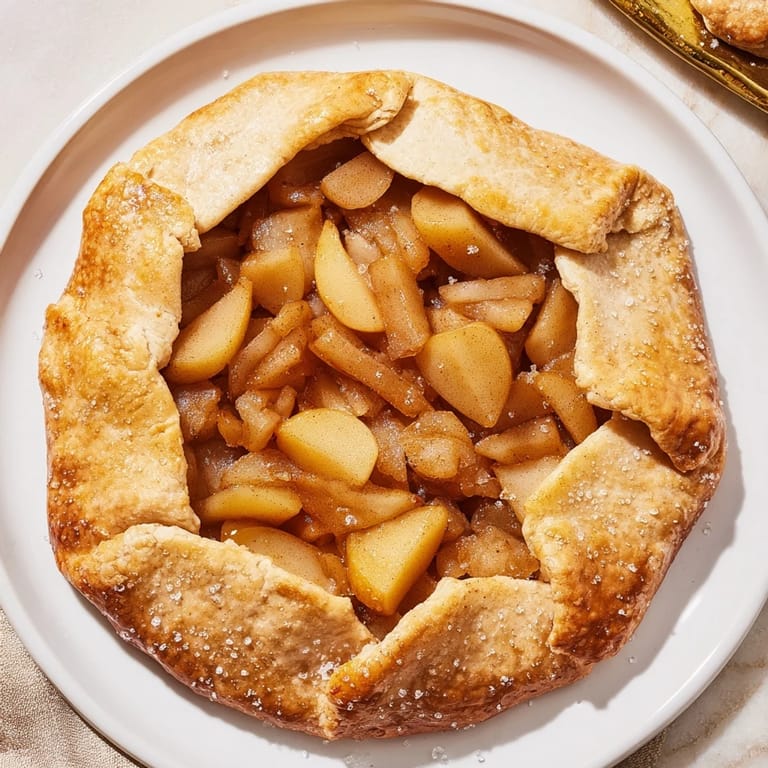
- Pile the pear filling in the center, leaving a good 2-inch border, then fold the edges up and over in loose pleats. The folds don't have to match, that's the whole charm of it.
- Finish and bake:
- Brush the crust with beaten egg, sprinkle turbinado sugar over the top, and slide it into a hot oven. Bake until the crust is deep golden and the filling bubbles through the center, about 35 to 40 minutes.
- Cool and serve:
- Let it cool for at least 10 minutes so the filling sets up a bit. Serve it warm with a scoop of vanilla ice cream or a dollop of whipped cream if you're feeling generous.
 Pin It
 The first time I served this, my neighbor said it reminded her of something her grandmother used to make, and she sat at my table with a second slice and told me stories about autumn in her childhood kitchen. That's when I realized a galette isn't just dessert, it's an invitation to slow down and remember what simple and warm can do.
Choosing Your Pears
I've tried this with every pear I could find, and Bartlett and Bosc hold up best without turning to mush. Anjou works too, but it releases more juice, so bump up the cornstarch. If your pears are rock hard, let them sit on the counter for a day or two until they smell faintly sweet when you press near the stem.
Making It Your Own
I've swapped in apples when pears weren't in season, and I've tossed in a handful of fresh cranberries for a tart pop. Once I added a tablespoon of bourbon to the filling, and it gave the whole thing a grown-up edge that my friends still ask about. Don't be afraid to play with the spices either, a pinch of cardamom or nutmeg can take it somewhere new.
Storing and Reheating
This galette is best the day you bake it, when the crust is still crisp and the filling is just set. If you have leftovers, cover them loosely and keep them in the fridge for up to two days. Reheat slices in a 350°F oven for about 10 minutes to bring back some of that flakiness.
- Let it cool completely before covering, or the steam will make the crust soggy.
- You can freeze the unbaked galette and bake it straight from frozen, just add 10 extra minutes to the baking time.
- Serve any leftover slices for breakfast with coffee, no judgment here.
 Pin It
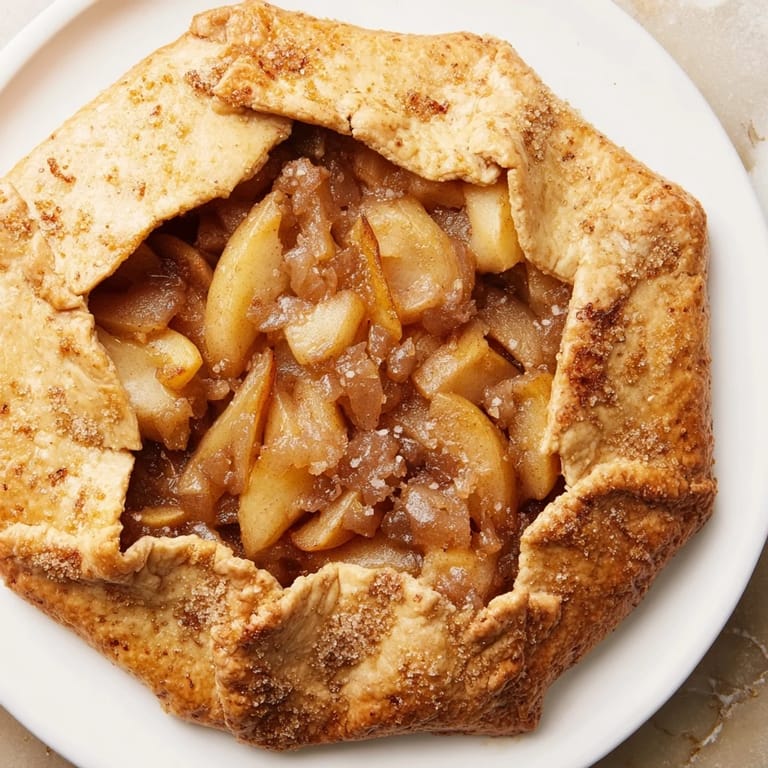
 Every time I pull this galette out of the oven, I'm reminded that the best things don't need to be perfect, they just need to be made with a little care and shared while they're still warm. I hope it becomes one of those recipes you reach for again and again.
Recipe FAQs
- → What type of flour is best for the pastry?
All-purpose flour is recommended as it provides the right balance of structure and tenderness for a flaky crust.
- → Can I use fresh ginger instead of crystallized ginger?
Yes, adding freshly grated ginger enhances the spice and freshness, but adjust quantity to taste to avoid overpowering the pears.
- → How do I achieve a flaky crust texture?
Use cold, cubed unsalted butter, and incorporate it quickly into the flour to create coarse crumbs before adding water. Keep dough chilled before baking.
- → What is the recommended baking temperature and time?
Bake the galette at 400°F (200°C) for 35 to 40 minutes until the crust turns golden and the filling bubbles.
- → How can I vary the filling flavors?
Try substituting pears with apples or adding berries for different fruity notes. For more spice, increase ground or fresh ginger inside the filling.
- → What should I serve the galette with?
It pairs wonderfully with whipped cream or vanilla ice cream, served warm or at room temperature to complement its buttery texture.