 Pin It
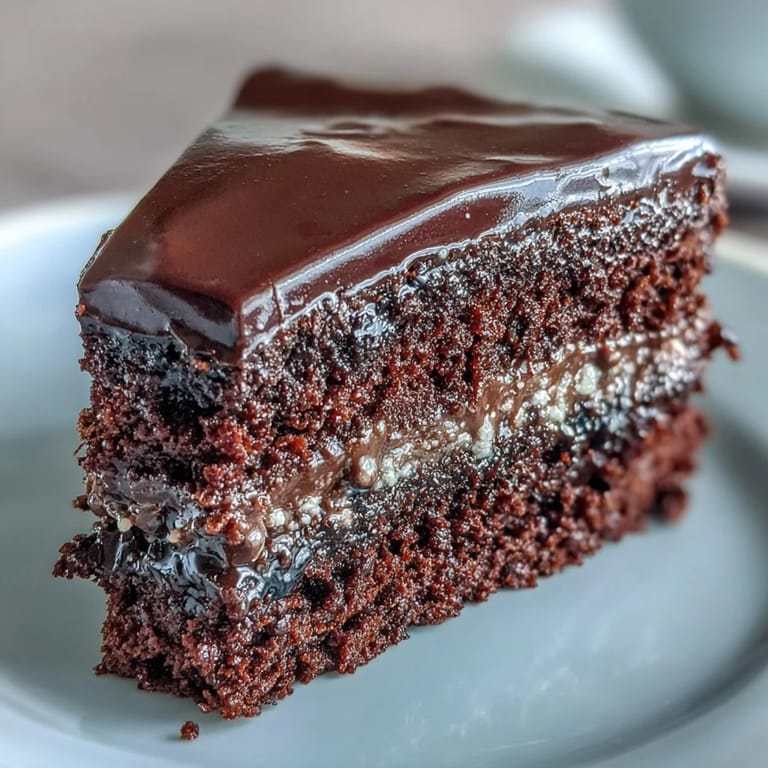
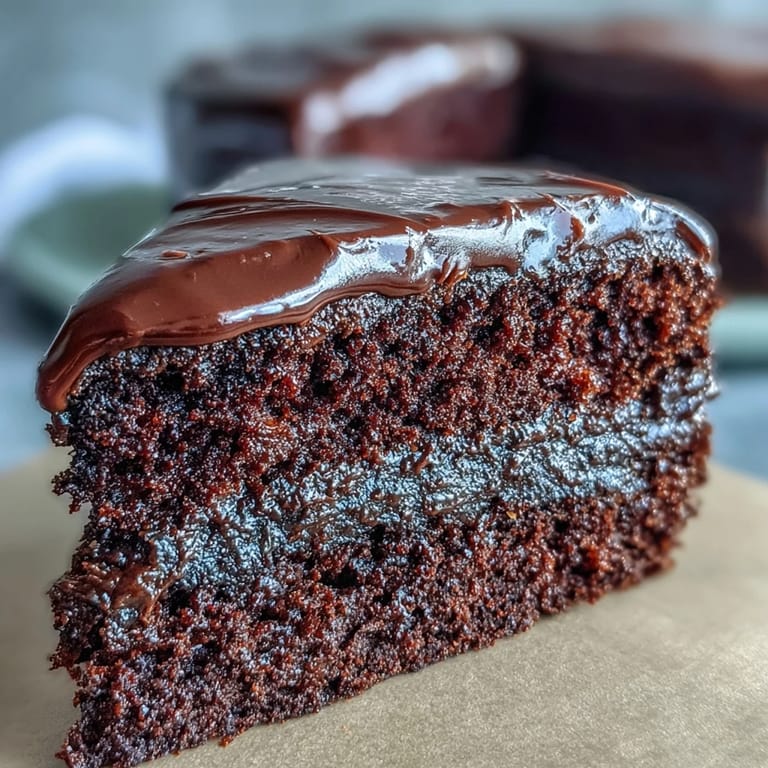
 My sister once called this cake "the one that ruined all other chocolate cakes for me," and honestly, she wasn't exaggerating. It happened on a rainy Saturday when I needed something comforting to bake, and I ended up with two glossy, fudgy layers that were so soft they barely held their shape. The kitchen smelled like a chocolatier's dream, and by the time I'd spread that silky icing over the top, I knew I'd stumbled onto something special. It's been my go-to celebration cake ever since.
I made this for my mum's birthday last year, and she kept sneaking back to the kitchen for "just one more sliver." By the end of the evening, the cake had somehow shrunk to half its size, and everyone was blaming each other with chocolate-smudged grins. It became a running joke that this cake doesn't get eaten, it gets devoured. There's something about the way the icing melts into the warm crumb that makes it impossible to resist.
Ingredients
- Unsalted butter (200 g for cake, 100 g for icing, plus extra for greasing): Using unsalted lets you control the sweetness and richness without any salty interference, and always bring it to room temperature if you're creaming it later.
- Dark chocolate (200 g for cake, minimum 50% cocoa solids, 150 g for icing, chopped): This is the soul of the cake, so choose a chocolate you'd happily eat on its own; cheap chocolate will give you a flat, waxy finish.
- Light brown sugar (250 g): The molasses in brown sugar adds a subtle toffee note that makes the cake taste deeper and more complex than plain white sugar ever could.
- Large eggs (3): They provide structure and moisture, so make sure they're at room temperature or they might seize the melted chocolate when you mix them in.
- Plain flour (200 g): I always spoon it into the measuring cup and level it off; scooping directly can compact it and make the cake dense.
- Baking powder (1 ½ tsp): Fresh baking powder is crucial for a light crumb, so if yours has been sitting in the cupboard for a year, it's time for a new tin.
- Fine sea salt (¼ tsp): Just a pinch sharpens all the chocolate flavor and keeps the sweetness from becoming cloying.
- Cocoa powder (50 g): Sifting it with the flour prevents those annoying little lumps that never quite dissolve in the batter.
- Whole milk (150 ml for cake, 3 tbsp for icing): Full-fat milk gives you the tender, moist texture you want; skimmed milk will leave the cake a bit dry.
- Vanilla extract (1 tsp): A good-quality vanilla extract rounds out the chocolate and adds a warm, aromatic backdrop.
- Icing sugar (200 g, sifted): Sifting is non-negotiable here or you'll end up with a gritty icing that ruins the silky finish.
Tired of Takeout? 🥡
Get 10 meals you can make faster than delivery arrives. Seriously.
One email. No spam. Unsubscribe anytime.
Instructions
- Prepare Your Tins:
- Preheat your oven to 180°C (160°C fan) or 350°F, then grease and line two 20 cm round cake tins with baking paper. I like to butter the sides and press the paper down firmly so there are no air pockets.
- Melt the Chocolate and Butter:
- Set a heatproof bowl over a pan of simmering water, making sure the bottom doesn't touch the water, then add the 200 g butter and 200 g chopped dark chocolate, stirring occasionally until it's completely smooth and glossy. Let it cool slightly so it doesn't scramble the eggs later.
- Whisk the Sugar and Eggs:
- In a large mixing bowl, whisk together the light brown sugar and eggs until the mixture is pale, thick, and almost mousse-like. This can take a good few minutes with an electric whisk, and it's what gives the cake its lovely airy texture.
- Combine Chocolate and Eggs:
- Pour the melted chocolate mixture into the whisked eggs and sugar, stirring gently but thoroughly, then add the vanilla extract. The batter will look glossy and smell incredible at this point.
- Sift the Dry Ingredients:
- In a separate bowl, sift together the plain flour, baking powder, fine sea salt, and cocoa powder. Sifting might feel old-fashioned, but it really does make a difference in preventing lumps.
- Fold Everything Together:
- Gradually fold the dry ingredients into the wet mixture, alternating with splashes of the whole milk, until everything is just combined and smooth. Don't overmix or you'll knock out the air you worked so hard to whisk in.
- Divide and Bake:
- Divide the batter evenly between your two prepared tins, then bake for 30 to 35 minutes or until a skewer inserted into the center comes out with a few moist crumbs. The cakes should smell rich and the edges should be just pulling away from the sides.
- Cool the Cakes:
- Let the cakes cool in their tins for about 10 minutes to firm up, then turn them out onto a wire rack to cool completely. Trying to ice a warm cake is a recipe for a melted, slidey mess.
- Make the Icing:
- Melt the 150 g dark chocolate and 100 g butter together in a heatproof bowl over simmering water, then remove from the heat. Gradually beat in the sifted icing sugar and 3 tablespoons of milk until the icing is smooth, glossy, and spreadable.
- Assemble and Ice:
- Place one cake layer on your serving plate and spread about a third of the icing over the top, then place the second layer on top and use the remaining icing to cover the top and sides. Smooth it out with a palette knife, and don't worry if it looks a bit rustic; that's part of the charm.
 Pin It
 There was an afternoon when a friend dropped by unexpectedly, and I sliced into this cake still warm from the oven, the icing barely set. We sat at the kitchen table with mismatched forks, and she declared it the best thing she'd tasted all month. That's when I realized this cake doesn't need a special occasion; it creates one just by existing.
Serving Suggestions
This cake is rich enough to stand alone, but a dollop of lightly whipped cream or a handful of fresh raspberries adds a lovely contrast that cuts through the sweetness. I've also served it with a scoop of vanilla ice cream on the side, and the cold creaminess against the fudgy warmth is absolutely divine. If you're feeling fancy, a drizzle of raspberry coulis or a dusting of cocoa powder on the plate makes it look like something from a restaurant.
Storage and Keeping
This cake keeps beautifully in an airtight container for up to three days, and honestly, it sometimes tastes even better on day two when the flavors have had time to meld. I've never tried freezing it because it never lasts long enough, but I suspect it would freeze well if you wrapped it tightly in cling film and foil. Just bring it back to room temperature before serving so the fudgy texture comes back to life.
Variations and Extras
If you want to take this cake over the top, spread a thin layer of raspberry jam between the two layers before icing, and the fruity tartness will balance the chocolate beautifully. I've also stirred a tablespoon of espresso powder into the melted chocolate for a subtle coffee note that makes the chocolate taste even more intense. Some people like to scatter chocolate shavings or crushed honeycomb on top for texture, and it always looks impressive with very little effort.
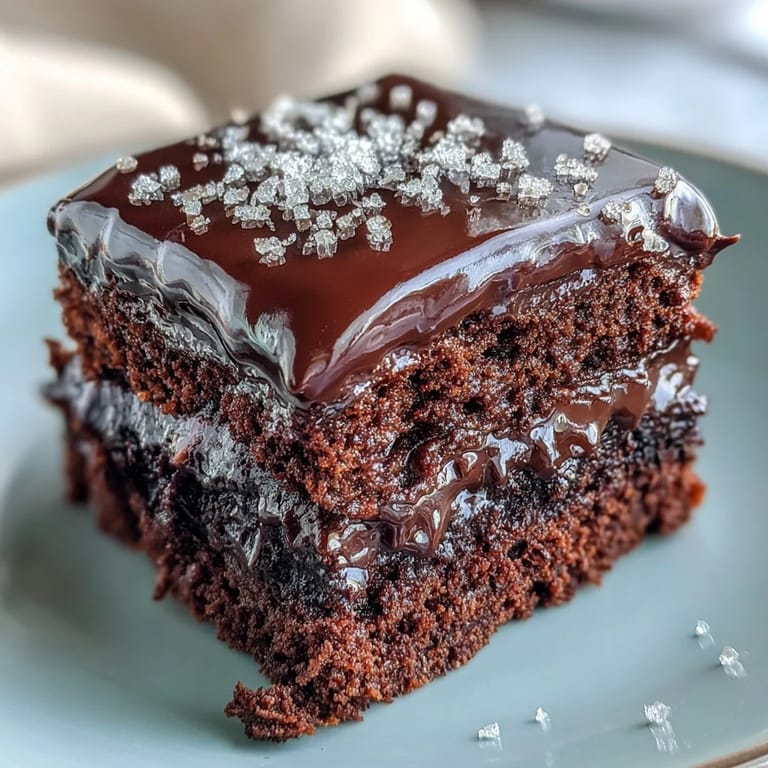
- Try adding a pinch of sea salt flakes on top of the icing for a salted chocolate effect that's utterly addictive.
- Swap the vanilla extract for a teaspoon of orange zest if you want a hint of citrus running through the cake.
- For a boozy twist, brush each layer with a tablespoon of rum or brandy before icing, and it becomes a grown-up treat.
 Pin It
 This cake has a way of turning an ordinary afternoon into something worth remembering, and I hope it does the same for you. Bake it, share it, and watch it disappear faster than you ever thought possible.
Recipe FAQs
- → Can I use milk chocolate instead of dark chocolate?
Yes, but the cake will be sweeter and less intense. Dark chocolate with at least 50% cocoa solids gives the best fudgy texture and rich flavor.
- → How do I know when the cake is done?
Insert a skewer into the center—it should come out with a few moist crumbs, not wet batter. This ensures a squidgy texture rather than a dry cake.
- → Can I make this cake in advance?
Absolutely. The cake layers can be baked a day ahead and stored wrapped in cling film. Ice on the day of serving for the freshest presentation.
- → What can I use instead of whole milk?
Semi-skimmed milk works well, though whole milk gives the richest result. For dairy-free, try oat or almond milk with similar results.
- → How should I store leftover cake?
Keep in an airtight container at room temperature for up to 3 days. The icing keeps the cake moist and fudgy throughout storage.
- → Can I freeze this chocolate cake?
Yes, freeze un-iced cake layers wrapped tightly for up to 3 months. Thaw completely before icing and serving.