 Pin It
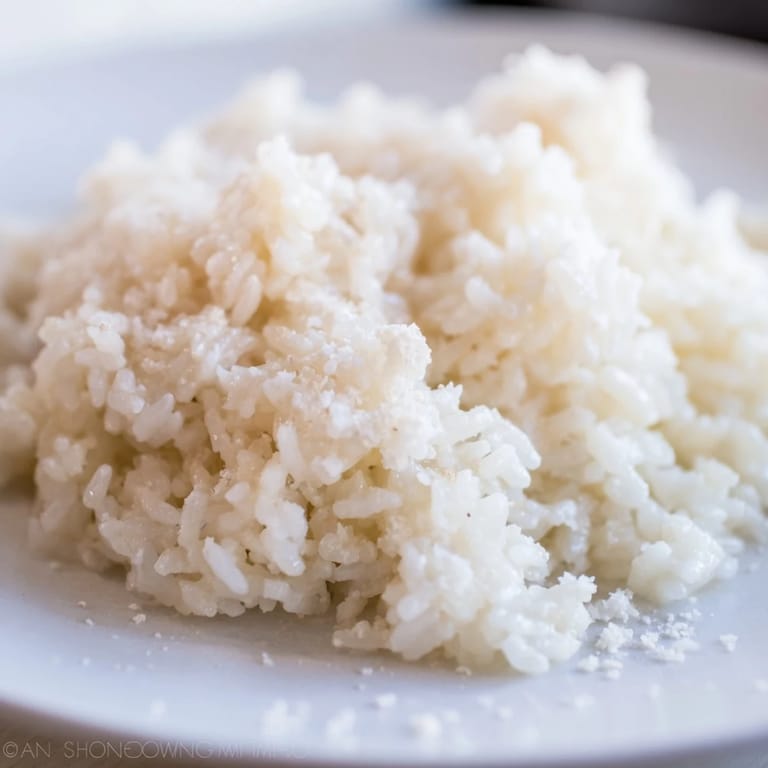
 The first time I made coconut rice was on a Tuesday night after a long day at work. I had some leftover coconut milk from a weekend curry experiment and a bag of jasmine rice in the pantry. Something about the combination felt comforting, like a warm hug after a chaotic day. When that coconut aroma started wafting through my tiny apartment, I knew this wasn't just going to be side dish material. My roommate wandered into the kitchen asking what smelled like a tropical vacation.
I served this coconut jasmine rice at a dinner party last month alongside a green Thai curry. My friend Sarah, who claims she doesn't like coconut, went back for seconds. The rice had this fluffy, separate grain texture but with a velvety mouthfeel from the coconut milk. Everyone kept asking what the secret ingredient was, half expecting some complex technique. Sometimes the most humble sides steal the entire show.
Ingredients
- Jasmine rice: This long grain variety has a natural floral aroma that pairs beautifully with coconut. Rinse it thoroughly until the water runs clear, this removes excess starch and prevents gummy rice.
- Full fat coconut milk: Dont skimp here. The fat content is what creates that luxurious creamy texture. Make sure its unsweetened so you control the sweetness level.
- Water: Pure coconut milk can be overwhelming. The water balances the richness and helps the rice cook to the perfect fluffy consistency.
- Salt: Essential to bring out the natural flavors. Without it, the rice can taste flat and one note despite all the coconut.
- Sugar: Just a teaspoon enhances the coconut sweetness without making the rice taste like dessert. Adjust based on your preference and what youre serving it with.
Tired of Takeout? 🥡
Get 10 meals you can make faster than delivery arrives. Seriously.
One email. No spam. Unsubscribe anytime.
Instructions
- Rinse the rice:
- Place the jasmine rice in a fine mesh strainer and run under cold water. Keep rinsing and gently swishing until the water draining through runs completely clear. This step is worth the extra minute, trust me.
- Combine everything:
- Add the rinsed rice, coconut milk, water, salt, and sugar to your saucepan. Give it a good stir to distribute the salt and sugar evenly before turning on the heat.
- Bring to a gentle boil:
- Set the saucepan over medium heat and wait for bubbles to appear around the edges. Watch closely, coconut milk can foam up and boil over faster than plain water.
- Simmer covered:
- As soon as you see a gentle boil, reduce the heat to its lowest setting. Cover the pot with a tight fitting lid and let it simmer undisturbed for 15 minutes. No peeking.
- Let it rest:
- Turn off the heat but leave the lid on. Let the rice sit for 10 more minutes. The residual steam finishes cooking any remaining liquid and helps the grains firm up slightly.
- Fluff and serve:
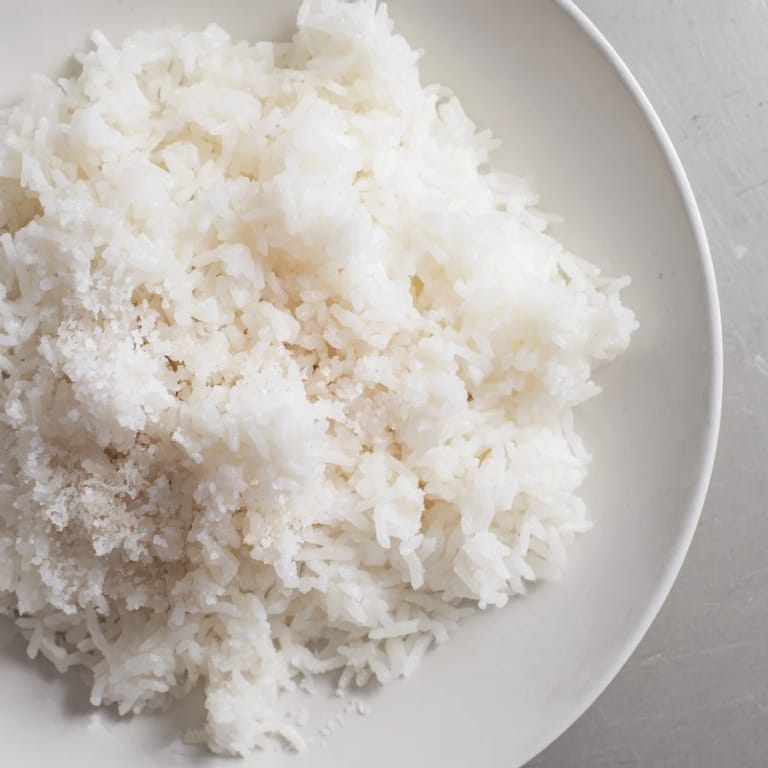
- Use a fork to gently fluff the rice, lifting from the bottom and folding over. Serve warm while the coconut aroma is still fragrant and inviting.
 Pin It
 Last summer, I made a big batch of this rice for a potluck. It was one of those humid July evenings where no one wanted to cook anything elaborate. The host grilled some simple vegetables and I brought the coconut rice. People kept drifting back to the kitchen, finding excuses for just one more scoop. There's something about the combination that makes people feel taken care of, even at a casual gathering.
Make It Your Own
The beauty of this recipe is how well it adapts to whatever flavors youre craving. Sometimes I toss in a knuckle of peeled ginger while the rice simmers. Other times, a couple of lime leaves transform it into something entirely different. The base recipe stays the same, but small tweaks make it feel new each time.
Perfect Pairings
This rice was born to accompany spicy dishes. The creaminess tames heat while the subtle sweetness complements bold flavors. Think Thai green curry, Vietnamese lemongrass chicken, or even spicy grilled shrimp. But dont be afraid to pair it with something mild. The coconut flavor is gentle enough that it wont overpower a simple stir fry or grilled fish.
Storage And Meal Prep
Cooked coconut rice keeps beautifully in the refrigerator for up to five days. I often double the recipe and portion it into glass containers for easy weekday lunches. The flavors actually deepen after a day or two. Freeze whatever you wont eat within a week, and it will stay fresh for up to three months.
- Cool the rice completely before storing to prevent condensation and soggy grains
- Label your containers with the date, coconut rice can develop off flavors if kept too long
- Thaw frozen rice overnight in the refrigerator, then reheat gently with a splash of water
 Pin It
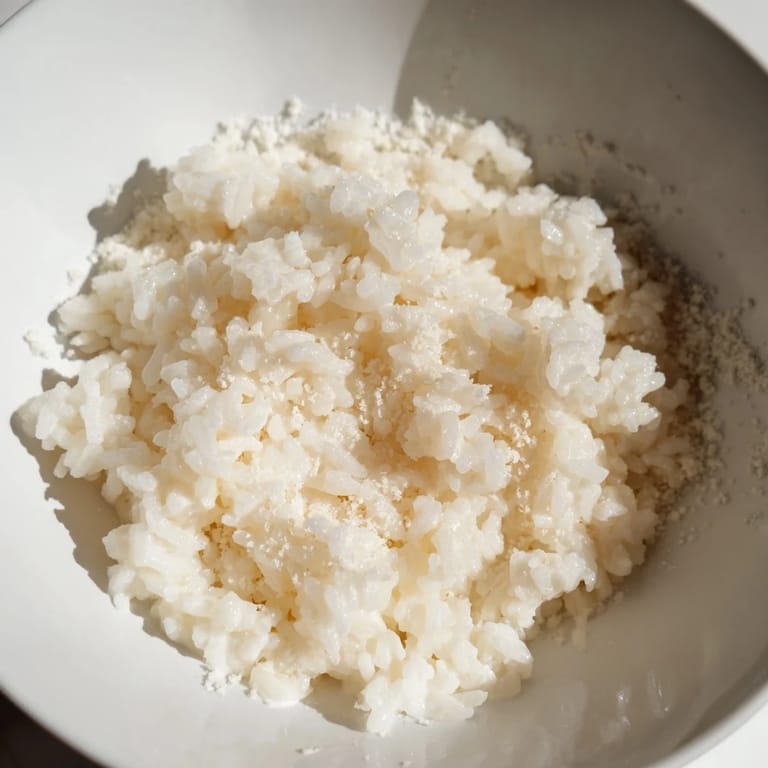
 This coconut jasmine rice has become my go to for nights when I want something comforting but not heavy. Its simple enough for a weeknight yet special enough for guests. Sometimes the most memorable recipes are the ones that come together almost effortlessly.
Recipe FAQs
- → What type of rice is best for this dish?
Jasmine rice is preferred as it has a fragrant aroma and fluffy texture that complements the creamy coconut milk.
- → Can I use light coconut milk instead of full-fat?
Full-fat coconut milk gives a richer, creamier texture, but light coconut milk can be used for a lighter version with slightly less flavor.
- → How do pandan leaves affect the flavor?
Pandan leaves add a subtle, sweet, and floral aroma to the rice, enhancing its fragrance when cooked together.
- → Is it necessary to rinse the rice before cooking?
Rinsing removes excess starch, preventing the rice from becoming too sticky and ensuring a fluffy result.
- → How long should the rice rest after cooking?
Letting the rice rest covered for about 10 minutes allows it to absorb remaining liquid and firm up for better texture.