 Pin It
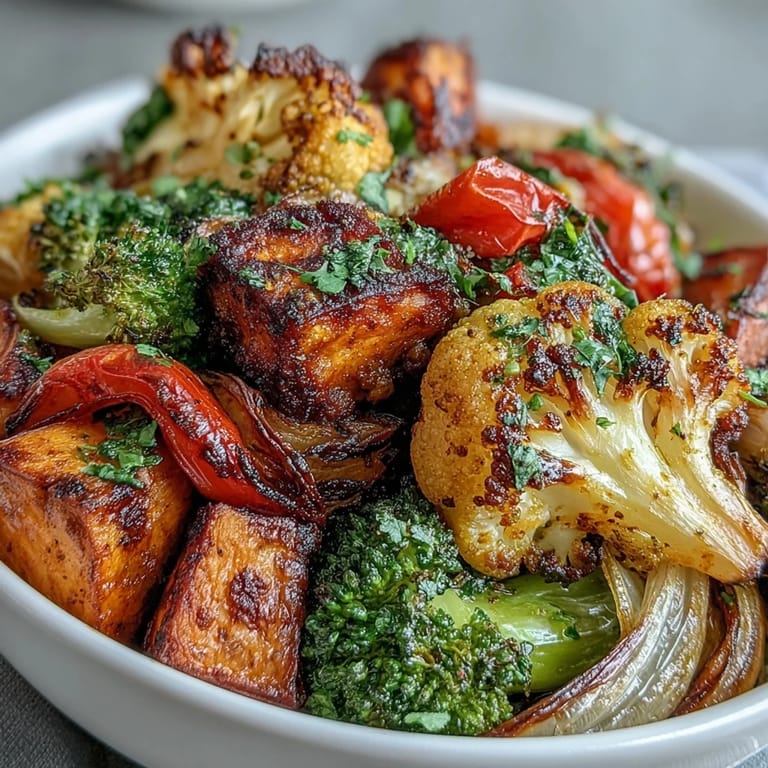
 There's something almost magical about the moment turmeric hits a hot pan—that warm, earthy smell that seems to wake up your entire kitchen. I discovered this roasted vegetable dish during one of those seasons when I was searching for ways to nourish myself beyond just eating, and it became my go-to whenever I needed color on my plate and comfort in my body. The golden spice coating transforms humble vegetables into something that feels intentional and healing, even though the process is so refreshingly simple.
I made this the night a friend brought over concerns about inflammation and exhaustion, and watching her face brighten as she tasted the crispy sweet potato edges—the way she asked for the recipe before even finishing her plate—reminded me that food can be medicine wrapped in something genuinely delicious. That moment shifted how I thought about cooking for wellness; it's never austere or sacrifice-feeling when the spices are right.
Ingredients
- Cauliflower florets: These absorb the golden spice coating beautifully and develop nutty, caramelized edges when roasted hot enough.
- Broccoli florets: The smaller, tender pieces crisp up wonderfully while the stems stay creamy inside.
- Sweet potato, cubed: Cut them into similar-sized pieces as your other vegetables so everything finishes at the same time; they're your sweetness anchor.
- Carrots, sliced: Go slightly thicker than paper-thin so they don't dry out during roasting.
- Red bell pepper: This brings brightness and a touch of natural sweetness that balances the earthy spices.
- Red onion, in wedges: The outer layers char slightly and become sweet and mellow, while inner layers stay tender.
- Extra-virgin olive oil: This is your binding agent for the spice blend, so don't skip quality here.
- Ground turmeric: The star ingredient with anti-inflammatory properties; it's what gives everything that warm golden hue and earthy depth.
- Ground cumin: Adds warmth and a subtle nuttiness that makes people ask what your secret is.
- Ground coriander: This bright, slightly citrusy spice prevents the dish from feeling too heavy.
- Smoked paprika: A small amount adds complexity and a hint of smokiness without overpowering.
- Black pepper: Not just seasoning—it actually enhances turmeric absorption in your body.
- Sea salt: Brings everything into focus and helps vegetables release their moisture for better caramelization.
- Lemon juice: Squeeze this over at the end to brighten all those warm spice notes and add a fresh finish.
- Fresh cilantro or parsley: Optional but worthwhile; the green freshness is a wonderful final note.
Tired of Takeout? 🥡
Get 10 meals you can make faster than delivery arrives. Seriously.
One email. No spam. Unsubscribe anytime.
Instructions
- Get Your Oven Ready:
- Preheat to 425°F and line your baking sheet with parchment paper—this prevents sticking and makes cleanup effortless. You want the oven genuinely hot so your vegetables caramelize instead of just steaming.
- Prepare Your Canvas:
- Wash and cut all vegetables into roughly similar-sized pieces, keeping them chunky enough to handle the heat without falling apart. Think pieces about the size of large grapes or walnuts; uniformity is your friend here.
- Build Your Spice Blend:
- In a small bowl, whisk together olive oil with all your spices and salt until it looks like a golden paste. The oil carries the spices evenly across everything, so don't skip whisking—it makes a real difference.
- Coat Everything Generously:
- Dump your prepared vegetables into a large bowl and pour the spice mixture over them, then toss with your hands or two large spoons until every piece is glistening and coated. This is hands-on and satisfying, and you'll notice how the turmeric stains your fingers a beautiful gold.
- Spread and Roast:
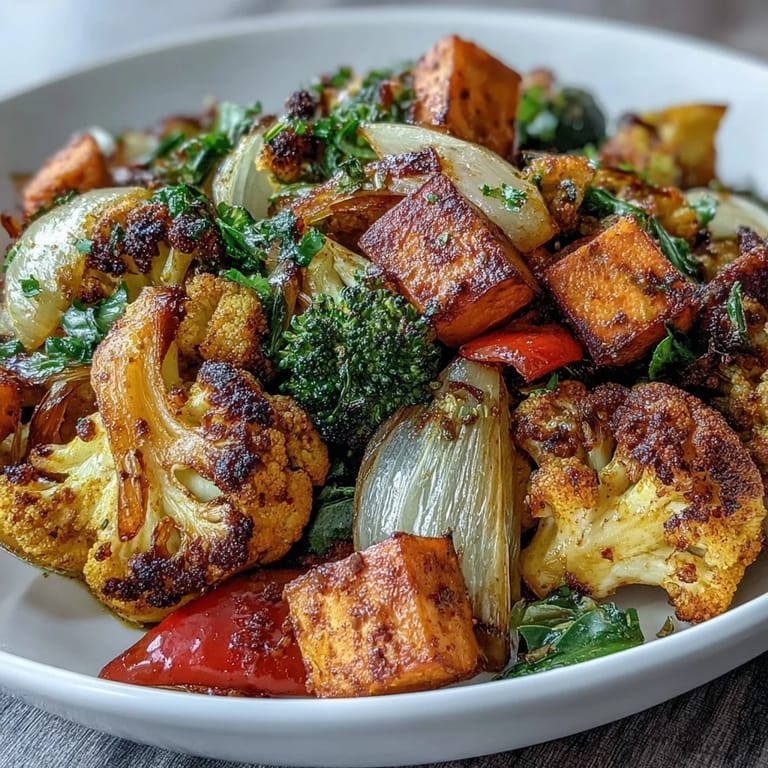
- Arrange vegetables in a single layer on your prepared sheet, then slide into that hot oven for 25-30 minutes, stirring halfway through. You're looking for golden, slightly charred edges and vegetables that yield to a fork but still have a little textural resistance.
- Finish with Brightness:
- Right out of the oven, drizzle with fresh lemon juice and scatter with herbs if using. This final step transforms the warm spices into something vibrant and fresh.
 Pin It
 The first time I brought this to a potluck, I expected it to be overlooked next to heavier sides, but it disappeared first. Someone came into the kitchen asking what restaurant I'd catered from, and I realized then that simple ingredients treated with intention are somehow more memorable than complicated techniques ever are.
Why These Spices Work Together
Each spice in this blend has its own personality and function. Turmeric is the gentle, golden foundation with real anti-inflammatory power, while cumin brings warmth and earthiness that feels grounding. Coriander adds brightness so nothing tastes dull, paprika whispers in a hint of smoke, and black pepper—often overlooked—actually helps your body absorb the turmeric's benefits more effectively. Together, they create layers of flavor that unfold as you eat, never assertive or one-note.
Making It Your Own
This recipe is genuinely flexible without losing its soul. Swap cauliflower for Brussels sprouts, add zucchini or butternut squash, use whatever's in season or calling to you from the market. I've made versions with parsnips in winter and green beans in summer, and each one felt fresh and suited to the moment. The spice blend stays constant—that's the backbone—but the vegetables are your chance to play.
Serving and Storage Wisdom
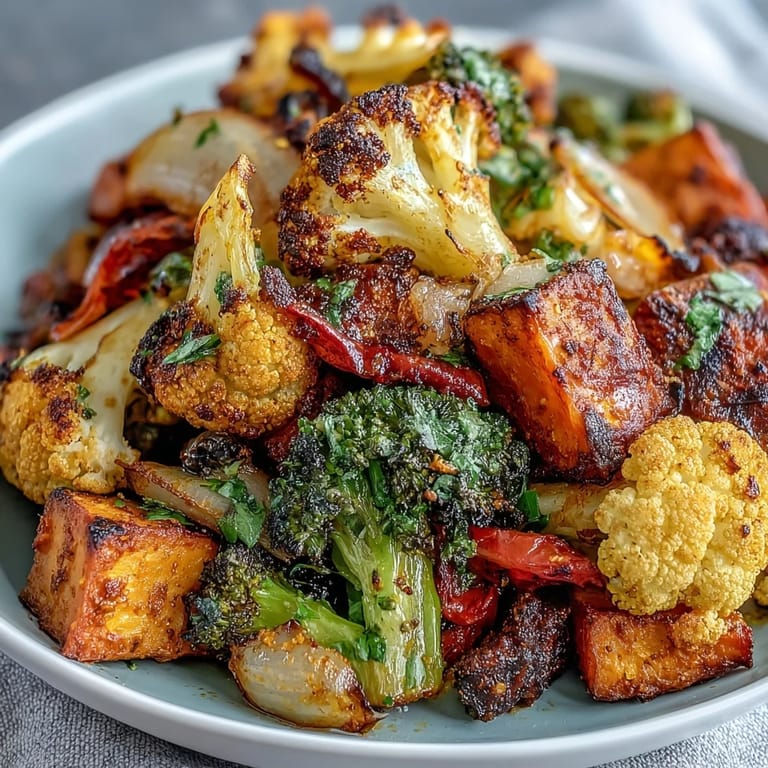
Serve these warm right out of the oven when they're at peak crispiness, but they're also wonderful at room temperature the next day, making them perfect for meal prep or bringing somewhere. Leftovers keep for three or four days in an airtight container in the fridge, though they're rarely around that long in my house. Reheat gently in a 350°F oven for about ten minutes if you want to restore some of that roasted texture, or enjoy them cold on salads and grain bowls.
- Pair with quinoa, brown rice, or farro for a complete meal that feels both nourishing and deeply satisfying.
- A dollop of coconut yogurt or tahini sauce on the side adds creaminess without overwhelming the delicate spice balance.
- Fresh lemon or lime juice squeezed over everything at the table lets people customize their brightness level.
 Pin It
 This dish has become my quiet answer to the question of how to eat in a way that feels both caring and effortless. There's real comfort in knowing that something this simple, this colorful, and this genuinely good for you is always just a few minutes of chopping and thirty minutes of roasting away.
Recipe FAQs
- → What vegetables work best for roasting with turmeric?
Hardy vegetables like cauliflower, broccoli, sweet potatoes, carrots, and bell peppers hold their texture beautifully during roasting. The dense structure allows them to develop golden, caramelized edges while becoming tender inside.
- → Why add black pepper to turmeric roasted vegetables?
Black pepper contains piperine, which significantly enhances your body's ability to absorb curcumin, the active compound in turmeric. This simple addition boosts the anti-inflammatory benefits while adding subtle warmth.
- → Can I prepare these vegetables ahead of time?
Yes, you can chop and coat the vegetables up to 24 hours in advance. Store them in an airtight container in the refrigerator, then roast when ready. The flavors will meld even more during this time.
- → What temperature yields the best roasted vegetables?
Roasting at 425°F creates the ideal balance between tender interiors and crispy, caramelized edges. The high heat promotes natural browning and concentrates the vegetables' sweetness while cooking them through efficiently.
- → How do I prevent vegetables from steaming instead of roasting?
Spread vegetables in a single layer with space between pieces. Overcrowding causes steam buildup, leading to soggy results. Use two baking sheets if needed to maintain proper air circulation for optimal caramelization.
- → What spices complement turmeric in roasted vegetable dishes?
Cumin and coriander create an earthy foundation, while smoked paprika adds subtle depth and warmth. This spice trio pairs beautifully with turmeric's golden notes and enhances the natural sweetness of roasted vegetables.