 Pin It
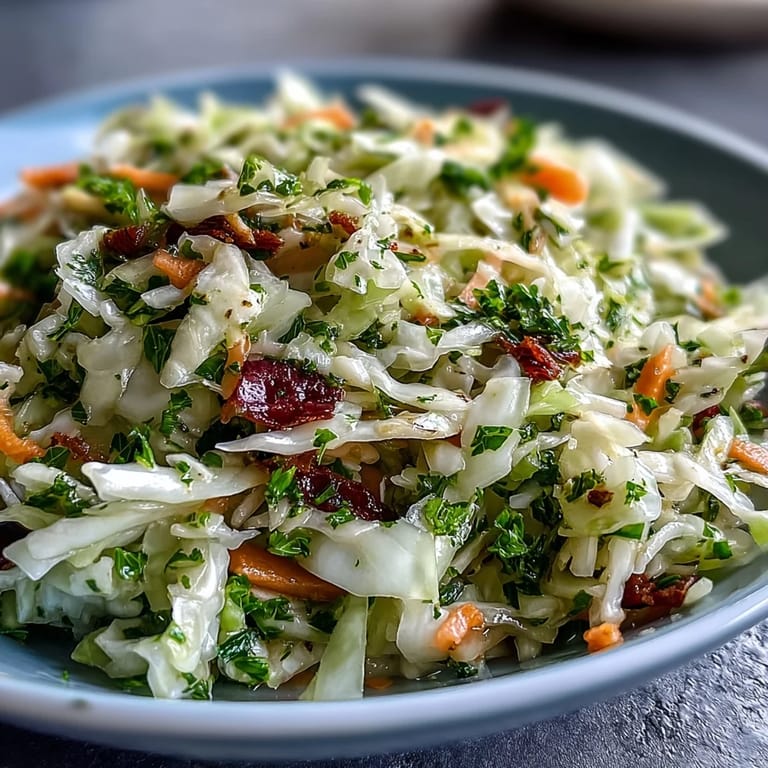
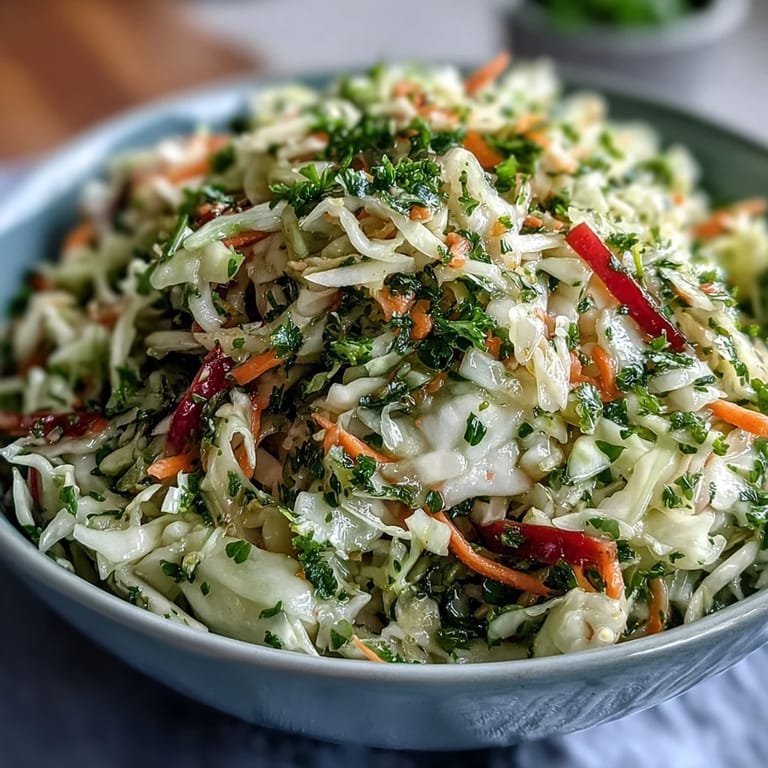
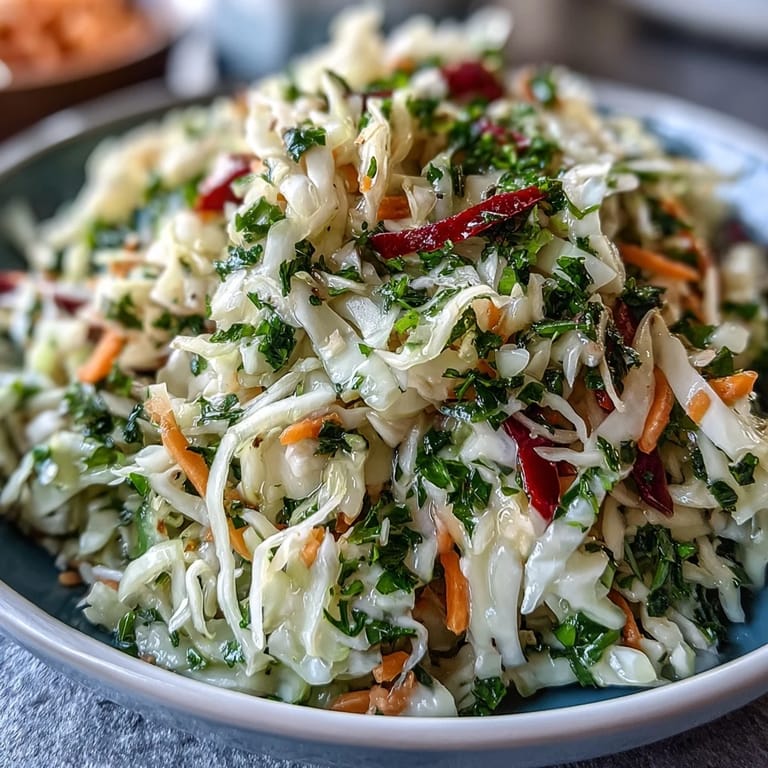
 My neighbor handed me a jar of her homemade sauerkraut last spring, insisting I do something interesting with it beyond the usual hot dog topping. That evening, I stood in my kitchen surrounded by fresh vegetables and suddenly realized I could build something bright and alive around those tangy, fermented cabbage strands. The result was this slaw—a dish that tastes nothing like obligation and everything like a delicious accident born from someone else's persistence.
I made this slaw for a backyard barbecue last summer, not knowing half the guests were experimenting with fermented foods. By the end of the night, three people were asking for the recipe, and one woman admitted she'd been intimidated by sauerkraut until that moment. Watching skepticism transform into genuine curiosity over a simple bowl of vegetables reminded me that food has this quiet power to shift perspectives.
Ingredients
- Sauerkraut, drained and lightly squeezed: This is your flavor foundation—use the real stuff made with just cabbage and salt, not the vinegar-heavy shelf-stable versions that taste flat. Squeezing it gently removes excess brine so the slaw doesn't become watery.
- Green cabbage, finely shredded: The fresh cabbage adds textural contrast and mellows the intensity of the sauerkraut just enough to keep things balanced.
- Medium carrot, grated: A touch of sweetness emerges from the carrot, which also brings brightness and a slight earthiness that plays beautifully against the vinegar.
- Red bell pepper, thinly sliced: This brings both visual appeal and a crisp, slightly sweet crunch that makes the slaw feel generous.
- Green onions, thinly sliced: Their mild onion bite adds a savory layer that keeps the dish from feeling one-dimensional.
- Fresh parsley, chopped: Never skip the parsley—it adds a clean, herbaceous note that ties everything together.
- Extra-virgin olive oil: The quality matters here since oil is prominent in the dressing and carries flavor without overpowering the vegetables.
- Apple cider vinegar: This specific vinegar complements fermented cabbage in a way that regular vinegar cannot, creating a harmonious acidic backbone.
- Dijon mustard: It emulsifies the dressing slightly and adds a sophisticated, subtle sharpness that elevates the whole dish.
- Maple syrup or honey: Just a touch balances the acidity and prevents the slaw from tasting aggressively sour.
Tired of Takeout? 🥡
Get 10 meals you can make faster than delivery arrives. Seriously.
One email. No spam. Unsubscribe anytime.
Instructions
- Build your vegetable base:
- Combine the drained sauerkraut, shredded green cabbage, grated carrot, sliced bell pepper, green onions, and fresh parsley in a large bowl. Toss gently so everything mingles without the sauerkraut breaking apart.
- Create the dressing:
- In a separate small bowl, whisk together the olive oil, apple cider vinegar, Dijon mustard, maple syrup, and black pepper until the mixture becomes smooth and slightly emulsified. Taste it as you go—this is your chance to dial in the balance between tang and sweetness.
- Bring it all together:
- Pour the dressing over the vegetables and toss everything thoroughly, making sure the oil and vinegar coat each strand of cabbage and every piece of carrot. Work gently but deliberately so nothing gets crushed.
- Taste and adjust:
- This is the moment to trust your palate—add more salt if it needs grounding, or another pinch of black pepper if you want more heat. Everyone's sauerkraut is slightly different in saltiness, so adjusting here is essential.
- Let it rest:
- Set the slaw aside for at least 10 minutes before serving, allowing the flavors to meld and the vegetables to soften just slightly while maintaining their crunch. This resting period transforms it from a collection of ingredients into a cohesive dish.
 Pin It
 A friend with chronic digestive issues asked me to teach her this recipe because she wanted to incorporate more fermented foods into her diet naturally, without making every meal feel like medicine. Watching her realize that healthy food could taste this vibrant and fun changed something in how she approached eating. That's when I understood this slaw was never just about the recipe—it was about permission to enjoy what's good for you.
Why Sauerkraut Changes Everything
Most slaws rely on fresh acid from vinegar alone, which tastes sharp and one-dimensional. Sauerkraut brings layers—a mellow fermented tang, umami depth, and living probiotics that fresh ingredients simply cannot provide. The moment you taste this side by side with a traditional vinegar slaw, you understand why people have been fermenting cabbage for centuries. It's not nostalgia; it's nutrition that happens to taste incredible.
Pairing and Serving Ideas
This slaw feels at home alongside grilled sausages or smoked fish, where its acidity cuts through richness beautifully. I've also used it as a topping for sandwiches, tucked into tacos, or served alongside roasted chicken where it acts as both vegetable and palate cleanser. The versatility comes from its balance—it's bold enough to stand alone but humble enough never to overshadow what it accompanies.
Making It Your Own
This recipe is genuinely forgiving, which means you can treat it as a template rather than a strict formula. I've added thinly sliced radishes for extra crunch, stirred in toasted sunflower seeds for texture, and even experimented with different herbs like dill or chives depending on what I was pairing it with. The core—sauerkraut, fresh vegetables, and a balanced vinaigrette—stays constant, but everything else bends to your preferences and what's in season.
- If you prefer maximum probiotic benefit, use 100% sauerkraut and skip the added green cabbage entirely.
- Add radishes or fennel for a peppery or anise-like crunch that plays beautifully with the fermented tang.
- Toasted seeds transform this from a light side into something more substantial that feels like a complete vegetable dish.
 Pin It
 This slaw has become my go-to when I want to contribute something nourishing and delicious to someone else's table. It arrives looking vibrant, tastes genuinely interesting, and leaves people feeling better than they did before eating it.
Recipe FAQs
- → How long should sauerkraut slaw sit before serving?
Let the slaw rest for at least 10 minutes after tossing with the dressing. This allows the flavors to meld and the vegetables to soften slightly. For even better flavor development, refrigerate for 1-2 hours before serving.
- → Can I make this sauerkraut slaw ahead of time?
Yes, prepare the slaw up to 24 hours in advance. Store in an airtight container in the refrigerator. The vegetables will maintain their crunch, and the flavors will intensify. Add fresh parsley just before serving for optimal color and texture.
- → What pairs well with tangy sauerkraut slaw?
This slaw complements grilled sausages, bratwurst, fish, or roasted pork. It also works as a topping for Reuben sandwiches, pulled pork, or served alongside hearty German dishes. The acidity cuts through rich foods beautifully.
- → Is sauerkraut slaw good for gut health?
Absolutely. Fermented sauerkraut contains natural probiotics that support digestive health. Choosing a sauerkraut with live cultures maximizes these benefits. The combination of fermented and fresh vegetables provides both probiotics and prebiotic fiber.
- → Can I substitute the maple syrup or honey?
For a fully sugar-free version, omit the sweetener entirely or substitute with a pinch of stevia. The dressing will still be well-balanced due to the natural sweetness from the bell peppers and carrots. Adjust with a touch more vinegar if needed.
- → How do I prevent the slaw from becoming too watery?
Drain and lightly squeeze the sauerkraut before adding it to the bowl. If making ahead, toss the dressing with the slaw just before serving rather than storing it dressed. This keeps the vegetables crisp and prevents excess liquid from accumulating.