 Pin It
 There's something about the sound of batter hitting a smoking-hot skillet that makes the whole kitchen feel alive. I used to think cornbread was just a side dish you tolerated until I made it this way, with a honey butter glaze that soaks into every golden crack. Now it's the first thing to disappear at dinner, and I've stopped apologizing for eating it straight from the pan with a fork.
I made this for a potluck once and forgot to mention it was vegetarian. Two people asked for the recipe before they even knew what was in it, just because of that glossy, honeyed top. One of them called it "dangerously good," which I think about every time I brush on that glaze. It's become my go-to when I want to look like I tried harder than I did.
Ingredients
- Yellow cornmeal: This is what gives the bread its grit and personality, so don't swap it for the fine stuff unless you want cake instead of cornbread.
- All-purpose flour: Keeps the crumb tender without losing that rustic texture, and it plays nicely with the cornmeal's coarseness.
- Granulated sugar: Just enough to balance the savory without making it sweet, though I've gone heavier when I'm in the mood.
- Baking powder & baking soda: The double leavening makes it rise fast and stay fluffy, even in a screaming-hot skillet.
- Fine sea salt: Brightens everything and keeps the sweetness from getting cloying.
- Whole milk: Adds richness, but buttermilk works if you want a little tang to cut through the honey.
- Eggs: Bind it all together and give the crumb that sturdy, sliceable structure.
- Melted unsalted butter: Goes into the batter and the skillet, because butter on butter is never a mistake.
- Honey: The glaze wouldn't exist without it, and I've learned that cheap honey tastes flat here, so use the good stuff.
Tired of Takeout? 🥡
Get 10 meals you can make faster than delivery arrives. Seriously.
One email. No spam. Unsubscribe anytime.
Instructions
- Preheat the skillet:
- Stick your cast iron in the oven while it heats to 400°F. The hot skillet is the secret to those crispy, buttery edges that make this cornbread worth fighting over.
- Mix the dry ingredients:
- Whisk the cornmeal, flour, sugar, baking powder, baking soda, and salt in a big bowl until it looks like sandy, grainy flour. No lumps allowed.
- Combine the wet ingredients:
- In another bowl, whisk the milk, eggs, and melted butter until smooth. It should look like a pale yellow custard before it meets the dry stuff.
- Fold it together:
- Pour the wet into the dry and stir gently, just until you don't see dry patches anymore. Overmixing makes it tough, and nobody wants tough cornbread.
- Butter the hot skillet:
- Pull the skillet out carefully (it's blazing hot) and toss in a knob of butter, swirling it around to coat every inch. You'll hear it sizzle, and that's exactly what you want.
- Pour and smooth:
- Add the batter to the skillet and spread it gently with a spoon. It'll start cooking on contact, so work quickly but don't stress.
- Bake until golden:
- Let it bake for 18 to 20 minutes, until the top is golden brown and a toothpick comes out clean. Your kitchen will smell like a Southern diner.
- Make the glaze:
- While it bakes, melt the butter and honey together in a small pan or the microwave. Stir it until it's smooth and glossy.
- Glaze immediately:
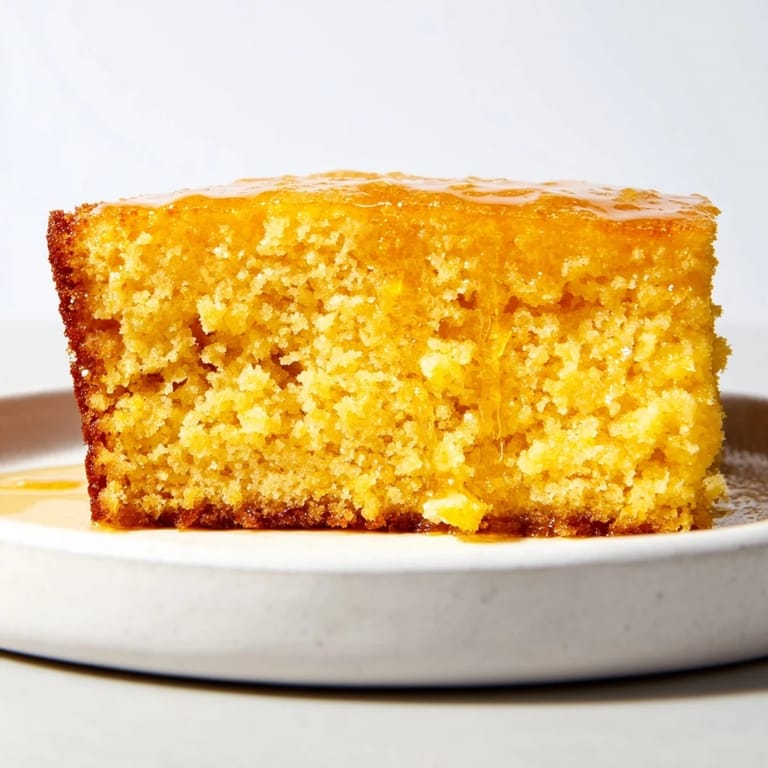
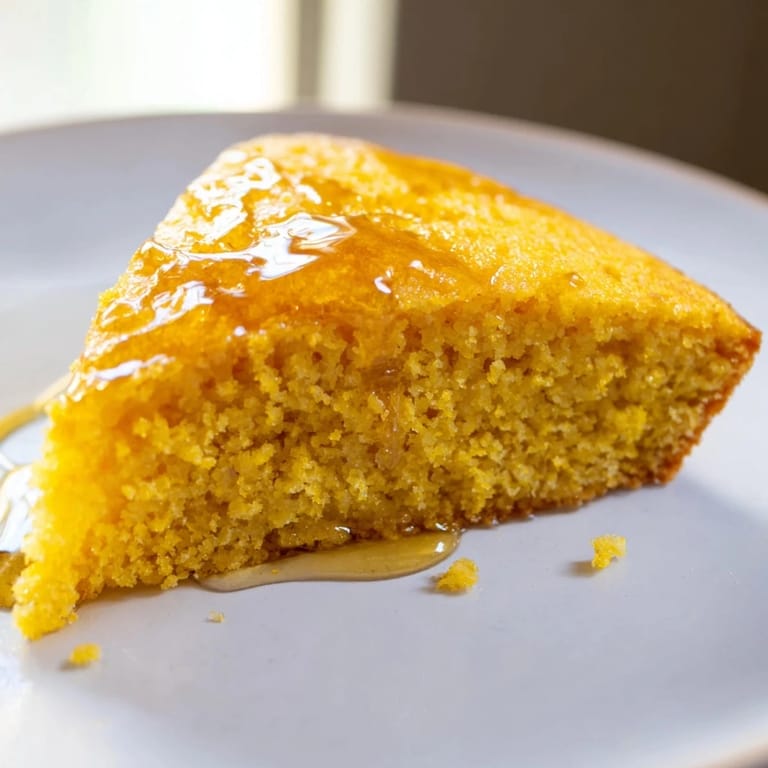
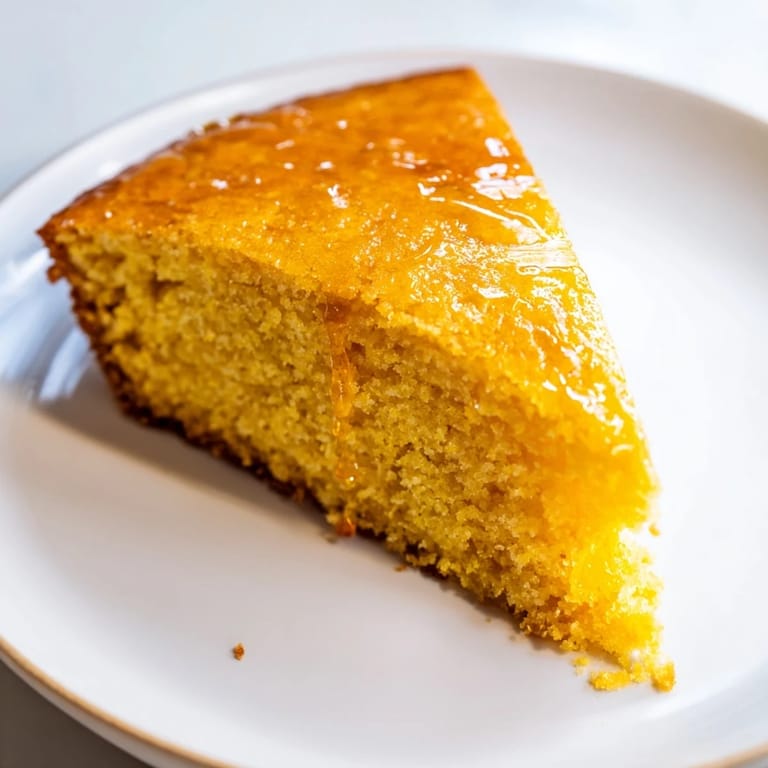
- The second the cornbread comes out, brush that honey butter all over the top. It'll soak in and make the surface shine like it's been lacquered.
- Cool and serve:
- Let it sit for a few minutes so you don't burn your mouth, then slice it into wedges and serve it warm. It's best when it's still steaming.
 Pin It
 The first time I served this, my friend scraped the skillet clean with the side of her fork and asked if I'd made extra. I hadn't, and I've regretted it ever since. Now I always double the glaze and keep a little dish of it on the table, because people will absolutely ask for more.
How to Know When It's Done
The top should be golden brown with a slight bounce when you press the center, and a toothpick should come out clean or with just a few moist crumbs. If the edges are pulling away from the skillet and the kitchen smells like honey and butter, you're already there. Don't overbake it or the crumb will turn dry and crumbly instead of tender.
What to Serve It With
This cornbread is sturdy enough to soak up chili or stew, but sweet enough to eat on its own with more honey butter. I've served it alongside barbecue ribs, black bean soup, and even scrambled eggs for breakfast. It's also perfect for mopping up the last bits of sauce from a plate, which is how I usually finish mine.
Storage and Reheating Tips
Wrap leftover cornbread in foil and keep it at room temperature for up to two days, or refrigerate it for up to five. Reheat slices in a skillet with a little butter, or wrap them in foil and warm them in a 350°F oven for about 10 minutes. The glaze might soak in completely by the next day, so don't be surprised if it looks less shiny but tastes even better.
- You can freeze whole wedges wrapped tightly in plastic and foil for up to three months.
- Thaw at room temperature and reheat in the oven or a skillet to bring back the crisp edges.
- If you're reheating in the microwave, cover it with a damp paper towel so it doesn't dry out.
 Pin It
 This cornbread doesn't need an occasion, but it makes every meal feel like one. Serve it warm, share it generously, and don't forget to save yourself a piece before it's gone.
Recipe FAQs
- → What type of skillet is best for this cornbread?
A 10-inch cast iron or oven-safe skillet is ideal as it ensures even heat distribution and creates a crispy crust.
- → Can I substitute buttermilk for whole milk?
Yes, using buttermilk adds a tangier flavor and helps create a more tender crumb.
- → How do I make the honey butter glaze?
Melt unsalted butter and mix with honey until smooth, then brush over the cornbread immediately after baking.
- → Is it possible to add cheese or corn kernels to the batter?
Absolutely, adding corn kernels or shredded cheddar enhances flavor and texture for a heartier result.
- → How do I know when the cornbread is fully baked?
Insert a toothpick in the center; it should come out clean when the cornbread is done.