 Pin It
 There's a moment that stops time in any kitchen—when spices hit hot oil and suddenly you're transported somewhere else entirely. That's what happened the first time I made a proper Moroccan tagine, standing over a Dutch oven with cinnamon and cumin swirling up in the steam. The lamb had been browning for what felt like forever, and I was second-guessing everything until those prunes went in during the final stretch, their sweetness meeting the savory depth like an old conversation resuming mid-sentence. That single dish taught me that slow cooking isn't about patience—it's about letting flavors find each other.
I remember serving this to my sister's book club on a rainy March evening, and someone joked that they'd followed the smell from three blocks away. Within minutes, the room went quiet except for the sound of spoons against bowls, and that's when I knew this recipe had staying power. It became the dish everyone texted me about months later, asking if I could make it for their dinner parties too.
Ingredients
- Lamb shoulder, cut into 2-inch cubes (1.5 kg): The shoulder is forgiving and becomes incredibly tender, developing a rich, savory base that holds the sauce beautifully.
- Olive oil (2 tbsp): Use a good quality oil for browning the meat; it makes a real difference in building flavor depth.
- Onions, finely chopped (2 large): They dissolve into the sauce and create a natural thickener while mellowing with the spices.
- Garlic cloves, minced (4): Fresh garlic becomes almost sweet after two hours of slow cooking, adding warmth without harshness.
- Fresh ginger, grated (1-inch piece): Don't skip this; it provides a subtle brightness that cuts through the richness of the lamb.
- Ground cinnamon (1½ tsp): This is the soul of the dish—use good quality cinnamon and smell it before adding to ensure it's aromatic and fresh.
- Ground cumin, coriander, turmeric, black pepper, allspice, and ground ginger: These work together as a cohesive blend; measuring them separately ensures each flavor comes through.
- Saffron threads, a pinch (optional): If you have it, soak it in a little warm broth before adding—it brings a floral complexity that elevates everything.
- Beef or lamb broth (400 ml): Use homemade if possible; it adds a depth that store-bought versions sometimes lack.
- Canned chopped tomatoes (400 g): The tomatoes provide acidity and help balance the sweetness of the honey and prunes.
- Honey (2 tbsp): This isn't just sweetener—it acts as a subtle bridge between the spices and the fruit, rounding out sharp edges.
- Pitted prunes (200 g): They plump up beautifully in the sauce and add a jammy sweetness that feels almost luxurious.
- Whole blanched almonds (80 g): Toasting them yourself releases oils that make them taste nutty and rich rather than flat.
- Toasted sesame seeds and fresh cilantro or parsley: These are finishing touches that add brightness and texture, reminding you that this is a complete thought, not just a stew.
Tired of Takeout? 🥡
Get 10 meals you can make faster than delivery arrives. Seriously.
One email. No spam. Unsubscribe anytime.
Instructions
- Set your stage:
- Preheat your oven to 160°C (325°F), or if you're cooking on the stovetop, make sure your pot is heavy-bottomed and can handle long, gentle heat. A tagine is traditional, but a Dutch oven works beautifully and honestly might be sitting in your cabinet already.
- Brown the lamb properly:
- Heat 1 tablespoon of olive oil over medium-high heat until it shimmers, then add lamb in batches—don't crowd the pan or it'll steam instead of brown. You want a deep golden crust on each piece, which takes a few minutes per batch. This is where the foundation of flavor happens.
- Build your aromatics:
- Add the remaining tablespoon of oil along with your onions, garlic, and ginger. Let them soften for about 5 minutes, stirring occasionally, until the kitchen starts smelling alive and warm. This is the moment when you know everything is working.
- Bloom the spices:
- Sprinkle in all your spices and that precious pinch of saffron (if using), then stir constantly for about a minute until the mixture becomes incredibly fragrant. This quick toast wakes up the spices and prevents them from tasting dusty or raw in the final dish.
- Bring everything together:
- Return the lamb to the pot, then add your tomatoes, broth, and honey, stirring until everything is combined. Bring it to a gentle simmer—you want a few lazy bubbles at the surface, not a rolling boil.
- Start the long cook:
- Cover your pot and transfer to the oven (or reduce the heat to low if cooking on the stovetop). Let it braise for 1 hour and 30 minutes, stirring occasionally. The lamb will soften, the flavors will marry, and your house will smell like a Moroccan market.
- Toast the almonds:
- While the tagine cooks, heat a dry skillet over medium heat and add your whole almonds. Toast them for 2 to 3 minutes, shaking the pan occasionally, until they're golden and fragrant. Set them aside—this small step makes an enormous difference in texture and flavor.
- Finish strong:
- After the initial 1 hour and 30 minutes of cooking, add your toasted almonds and prunes to the pot, stir gently, and cover again. Cook for another 30 to 45 minutes until the lamb is so tender it nearly falls apart and the sauce has thickened into something silky and rich.
- Taste and adjust:
- A pinch of salt at the end is almost always needed—taste as you go and trust your palate. This is your dish, and the seasoning should feel right to you.
- The final flourish:
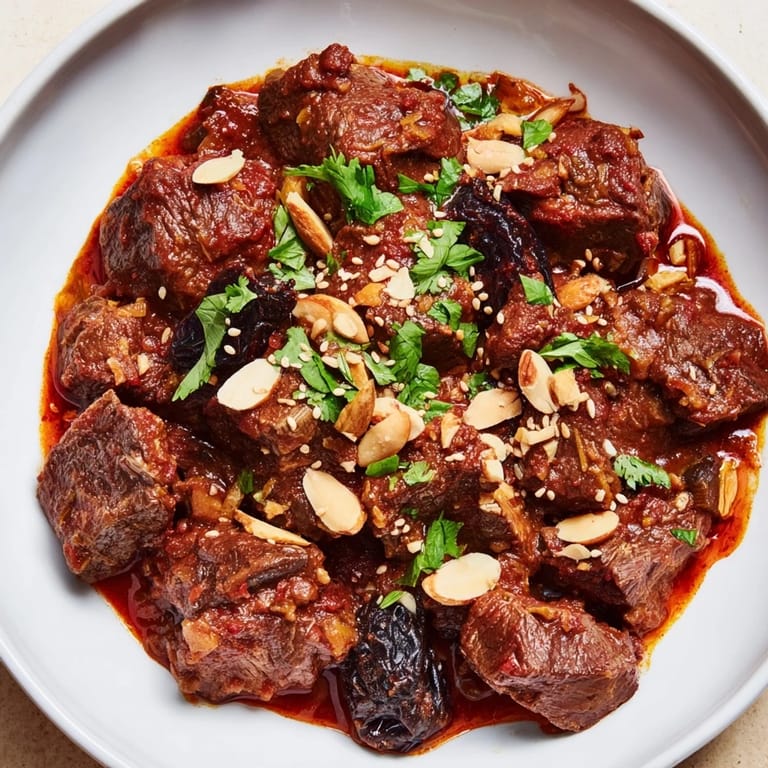
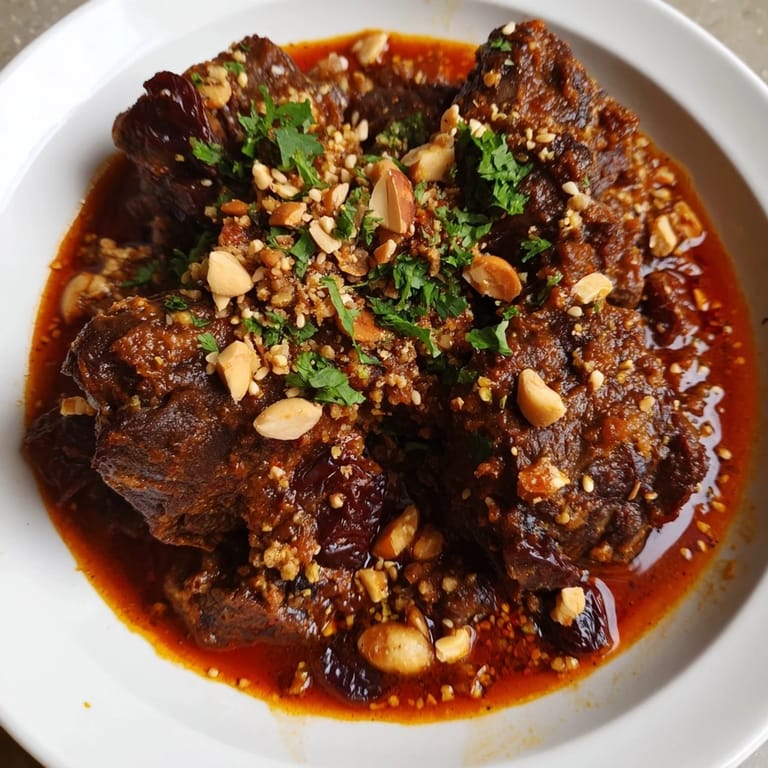
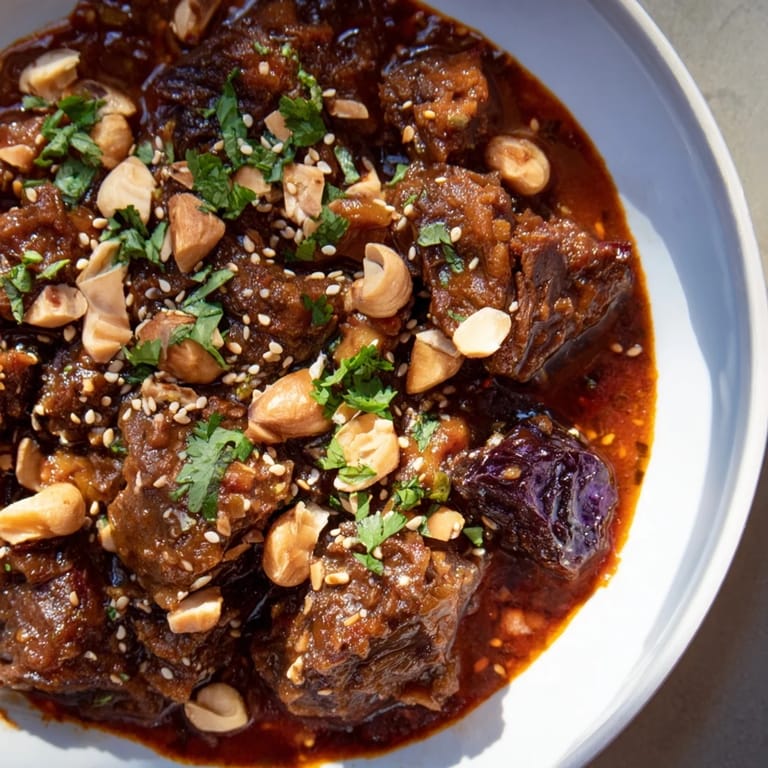
- Serve hot, scattered generously with toasted sesame seeds and fresh cilantro or parsley. These finishing touches aren't just decoration; they add a brightness and freshness that makes each spoonful feel complete.
 Pin It
 There's something transformative about sitting down to a meal that required genuine time and attention. I watched my mother taste this tagine with her eyes closed, and she said it tasted like a conversation she'd been missing. That's when food stops being technique and becomes something that reaches people.
The Spice Blend Philosophy
Moroccan spice blends aren't meant to be timid or apologetic. Each spice here has its own voice—the warmth of cinnamon, the earthiness of cumin, the brightness of coriander—but together they create something that feels like a single, unified flavor rather than a pile of distinct notes. I learned this by tasting as I cooked, understanding which spices I was actually tasting and which were blending into the background. If you're nervous about the amount, start with slightly less and taste your broth before everything goes in for the full cook; you can always add more, but you can't take it out.
Why Prunes and Almonds Matter
The combination of prunes and almonds might seem like an unexpected choice if you're not familiar with Moroccan cooking, but it's actually one of those perfect pairings that feels like it was always meant to be together. The prunes bring a jammy sweetness and chewy texture, while the almonds add richness and a gentle crunch that contrasts beautifully with the tender lamb. Early on, I made this recipe with dried apricots instead because I thought I was being clever, and while it was still delicious, something felt missing—the prunes have a deeper, more subtle sweetness that doesn't overpower the savory spices the way apricots can.
Serving and Pairing
This tagine feels most complete when served over something that can soak up the rich sauce—fluffy couscous is traditional, saffron rice is stunning, and crusty bread works if you're in the mood to be practical about it. The sauce is meant to be part of the experience, not something left behind on the plate. I've also found that this dish improves overnight; if you make it a day ahead and reheat it gently, the flavors deepen and the lamb becomes even more tender. A glass of Moroccan red wine or a pot of fresh mint tea feels like the right accompaniment, though honestly, this is the kind of food that makes you happy no matter what you're drinking.
- Couscous fluffed with a fork and dressed with a little butter or olive oil is the classic choice.
- Saffron rice brings additional warmth and pairs beautifully with the spices in the tagine.
- If you're serving bread, warm it just before plating so it has the right texture for soaking up that incredible sauce.
 Pin It
 This is the kind of recipe that becomes a bridge between you and the people you cook for. Every time you make it, you're saying something without words.
Recipe FAQs
- → What cut of lamb works best for this dish?
Lamb shoulder is ideal as it becomes tender and flavorful during slow cooking.
- → Can I substitute prunes with another fruit?
Yes, dried apricots make a great alternative, adding a similar sweetness and texture.
- → What cookware is recommended for cooking this dish?
A heavy Dutch oven or traditional tagine works best to slow-cook the lamb evenly.
- → How do toasted almonds enhance the dish?
Toasting almonds adds a crunchy texture and a rich, nutty flavor that complements the tender lamb and sweet prunes.
- → What spices are essential for authentic flavor?
Cinnamon, cumin, coriander, turmeric, and allspice contribute to the warm and aromatic profile of the dish.