 Pin It
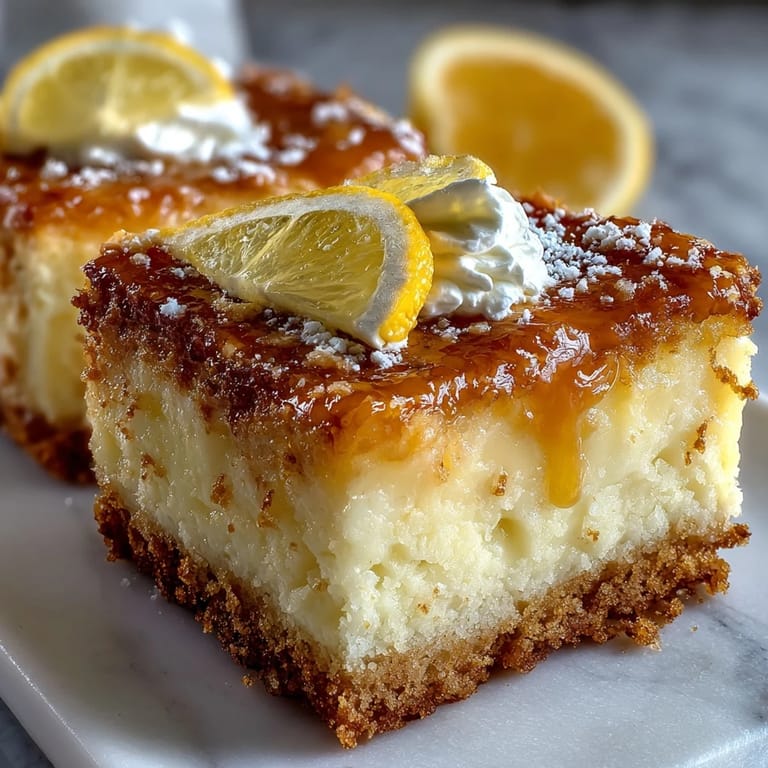
 My friend Sarah handed me a slice of lemon tart at her spring garden party, and I bit into it expecting the usual grocery store tartness—instead, I found this perfect balance of bright, zesty filling against a butter-crackling crust that somehow stayed crisp even hours later. I pestered her for the recipe that evening, and what she shared wasn't complicated, just honest. Now, whenever I make this tart, I think about how something so elegant really just asks for cold butter, fresh lemons, and patience.
I made this for my mother's birthday dinner last April, and she took one bite and went quiet in that way she does when something moves her. She had seconds, then asked me to make it again the following week for book club. That's when I knew the recipe was worth keeping—not because it's impressive on paper, but because it lands softly on the plate and leaves people genuinely happy.
Ingredients
- All-purpose flour (1 1/4 cups): The foundation of a tender crust—don't sift obsessively, just measure and level it off, or you'll end up with a tough dough.
- Unsalted butter, cold and cubed (1/2 cup): This is non-negotiable; warm butter won't create those little pockets that make the crust flake.
- Powdered sugar (1/4 cup): It dissolves into the dough faster than granulated sugar, keeping everything tender.
- Fine sea salt (1/4 tsp): A whisper of salt wakes up the butter and makes the lemon sing.
- Egg yolk (1 large): This binds everything without toughening the dough the way whole eggs can.
- Ice water (2–3 tbsp): Keep it cold right up until you add it; this is your secret to a flaky texture.
- Eggs and egg yolks (3 large eggs plus 2 yolks): These create that silky custard filling that sets just barely—not rubbery, not runny.
- Granulated sugar (1 cup): It dissolves into the filling and balances the lemon's sharp edge.
- Freshly squeezed lemon juice (2/3 cup): Bottled juice tastes tinny; fresh lemons are worth the two minutes of squeezing.
- Lemon zest (2 tsp): The oils in the peel carry flavor that juice alone can't deliver; use a microplane if you have one.
- Melted butter, cooled slightly (1/2 cup): This enriches the filling and binds it together.
- Powdered sugar and lemon wheels for garnish: These are optional, but they signal elegance and taste refreshing.
Tired of Takeout? 🥡
Get 10 meals you can make faster than delivery arrives. Seriously.
One email. No spam. Unsubscribe anytime.
Instructions
- Preheat and gather:
- Set your oven to 350°F and pull out all your ingredients so nothing catches you off guard—cold butter stays cold when you're organized.
- Build the crust:
- Pulse your flour, powdered sugar, and salt together in the food processor until combined, then add those cold butter cubes and pulse until the mixture looks like coarse breadcrumbs; this texture is what creates flakiness. Add the egg yolk and 2 tablespoons of ice water, pulse gently until the dough just barely holds together when you squeeze a small handful—you may need that extra tablespoon of water, but add it only if the dough feels too dry.
- Rest the dough:
- Turn it onto a floured surface, shape it into a disk, wrap it in plastic, and chill for 30 minutes if you have time; this prevents shrinking during baking. If you're in a hurry, even 15 minutes helps.
- Line the pan:
- Roll the dough out to fit your 9-inch tart pan, press it gently into the corners, trim the edges with a knife, and prick the base all over with a fork to prevent puffing. Line it with parchment paper and fill it with pie weights or dried beans to keep it flat.
- Pre-bake the crust:
- Bake for 15 minutes until the edges just begin to turn golden, then carefully remove the weights and parchment and bake another 10 minutes until the base is set and lightly colored. Let it cool for just a few minutes while you prepare the filling.
- Make the filling:
- Whisk together the whole eggs, egg yolks, sugar, fresh lemon juice, lemon zest, cooled melted butter, and salt in a bowl until everything is smooth and pale—this takes about a minute of whisking. The filling should look like liquid sunshine.
- Fill and bake:
- Pour the filling into the warm crust and slide it into the oven; bake for 20–25 minutes until the center looks just slightly wobbly when you gently shake the pan, but the edges are set. The top might look a tiny bit underbaked—that's exactly right.
- Cool slowly:
- Let the tart cool completely on a wire rack at room temperature, which usually takes about 30 minutes, then refrigerate for at least 2 hours before serving. This chilling time is when the flavors deepen and the texture becomes perfectly creamy.
- Finish and serve:
- Dust with powdered sugar, scatter lemon slices or fresh berries on top if you like, and serve chilled or at room temperature.
 Pin It
 There's a moment, right when you pull the tart from the oven and the kitchen fills with that bright lemon steam, when you realize you've made something both simple and special. It's a feeling worth chasing, and this recipe delivers it every time.
The Crust Secret
The difference between a good crust and a great one comes down to one thing: keeping the butter cold and not overworking the dough. I learned this the hard way after making a dense, tough pastry when I let my butter soften and got overzealous with the food processor. Now I work quickly, pulse in short bursts, and stop the moment the dough looks shaggy—overworking develops gluten, which toughens everything. The pockets of cold butter that survive the mixing create steam pockets as they melt in the oven, and that's what gives you the flakiness.
Why the Filling Works
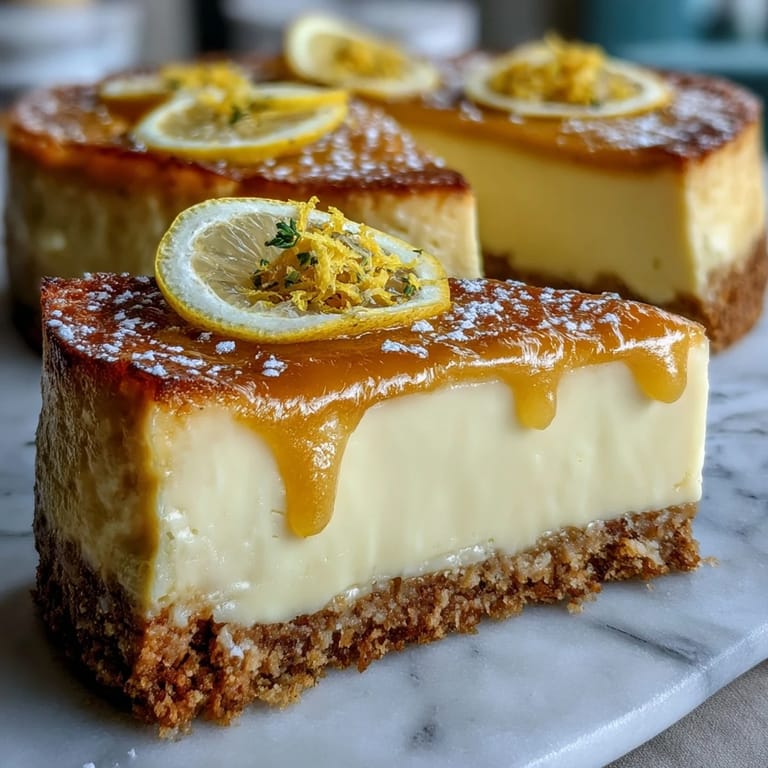
The filling is essentially a lemon curd baked in a crust, and what makes it work is the ratio of eggs to sugar to acid. Too many eggs and it becomes rubbery; too much sugar and it loses the bright lemon clarity; not enough lemon juice and it tastes muted and flat. This recipe balances all three elements so that you get something that's both silky and intensely flavored, something that tastes fresh even though it's technically a custard. The slight wobble in the center when it comes out of the oven is intentional—it continues to set as it cools, leaving you with that perfect creamy texture.
Ways to Make It Your Own
Once you've made this classic version, you might find yourself wanting to experiment. Some people love adding a little honey to the filling for subtle sweetness, while others prefer using half blood orange juice for a deeper, almost wine-like note. The framework is flexible enough to handle your adjustments as long as you respect the basic proportions.
- Try swapping half the lemon juice for blood orange or lime juice for a slightly different flavor profile.
- Add an extra 2 tablespoons of sugar if you prefer a sweeter tart, or reduce it by a tablespoon for a more tart result.
- Serve it with whipped cream, crème fraîche, or even a scoop of vanilla ice cream to echo the brightness.
 Pin It
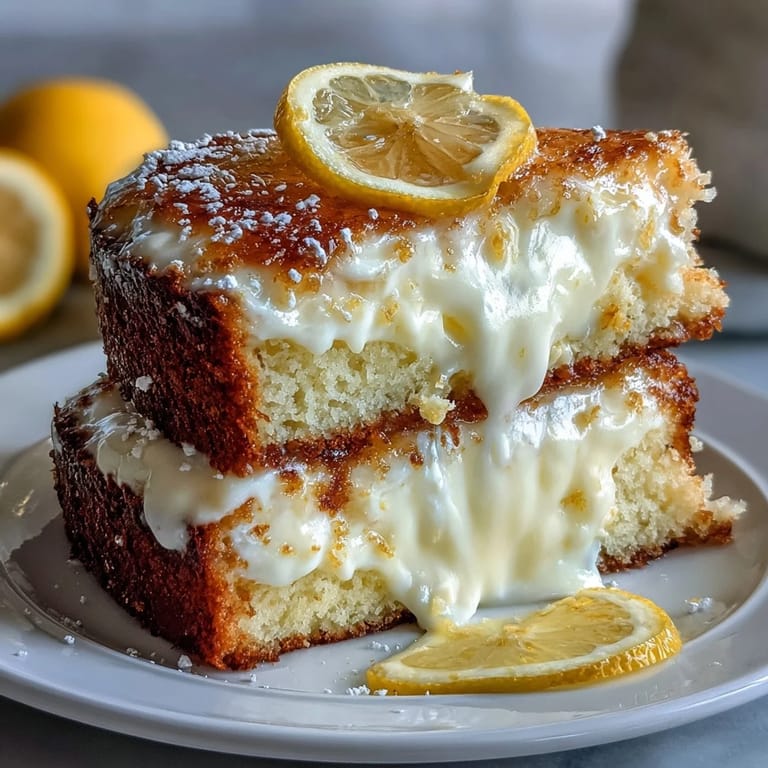
 This lemon tart asks only for fresh ingredients, a little patience, and a willingness to trust the recipe. Serve it to people you care about and watch their faces light up.
Recipe FAQs
- → How is the buttery crust prepared?
The crust is made by combining flour, powdered sugar, and salt, then pulsing cold butter until crumbly, followed by adding egg yolk and ice water to form dough, which is chilled and baked until golden.
- → What gives the filling its bright lemon flavor?
Freshly squeezed lemon juice and finely grated lemon zest are whisked with eggs, sugar, and melted butter to create a vibrant, tangy filling.
- → How can I tell when the filling is perfectly baked?
The filling should be just set with a slight wobble in the center, indicating a silky texture after cooling.
- → Can the lemon juice be substituted with other citrus?
Yes, blood orange or lime juice can replace some or all of the lemon juice for a different flavor twist.
- → What are recommended garnishes for serving?
Dusting with powdered sugar and adding lemon slices, fresh berries, or mint leaves enhances both appearance and taste.