 Pin It
 My sister arrived home with a small jar of blackcurrant powder one rainy afternoon, insisting I had to try it in something sweet. I'd never thought much about blackcurrants before, but watching that deep purple powder swirl into a bowl of fluffy meringue felt like painting with color. The result was so unexpectedly perfect—crispy shells that shatter on your tongue, with this tart berry flavor that makes your mouth wake up. Now these meringues are what I make when I want to impress someone without spending hours in the kitchen.
I made these for a dinner party when a friend mentioned she couldn't eat dairy, and I wanted to prove that dessert could still be special and indulgent. When everyone reached for seconds and kept complimenting the tart brightness cutting through the sweetness, I realized I'd created something people actually wanted to eat, not just something they tolerated. That moment shifted how I think about meringues entirely.
Ingredients
- Egg whites: Four large ones, brought to room temperature, are your foundation—they whip up faster and fuller this way, which matters more than you'd think.
- Superfine sugar: Regular sugar works in a pinch, but superfine dissolves faster and gives you that glossier, more stable meringue without any grittiness.
- Cream of tartar: This isn't just tradition; it stabilizes the whites so they hold their shape instead of deflating halfway through baking.
- Salt: A small pinch that you might skip, but it actually brightens the flavor and keeps the meringues from tasting one-dimensional.
- Blackcurrant powder: The star ingredient—seek out freeze-dried versions and grind them fine yourself if the powder feels too chunky, as this helps it swirl smoothly.
- Lemon juice: Optional but worth using; it echoes the tartness of the blackcurrants and lifts the whole flavor profile.
Tired of Takeout? 🥡
Get 10 meals you can make faster than delivery arrives. Seriously.
One email. No spam. Unsubscribe anytime.
Instructions
- Set up your space:
- Preheat to 225°F (110°C) and line your baking sheets with parchment—this low temperature is what keeps meringues crispy rather than cakey. Even a trace of oil or yolk in your bowl will sabotage everything, so wash it with soap and dry it completely.
- Whip the whites:
- Start on medium speed with the cream of tartar until the mixture looks foamy and broken, then keep going until you see soft peaks forming. You'll feel the resistance increase in the mixer as the structure builds, and this is oddly satisfying to watch.
- Add sugar gradually:
- Sprinkle in one tablespoon at a time while whisking—rushing this step means grainy meringue, and patience here pays off. Keep beating until the peaks are stiff and glossy, like shaving cream, with no visible sugar crystals when you rub a bit between your fingers.
- Finish the base:
- Beat in the salt and lemon juice to round out the flavors and add a subtle tang that people notice but can't quite name. The mixture should look thick and stable at this point.
- Marble in the color:
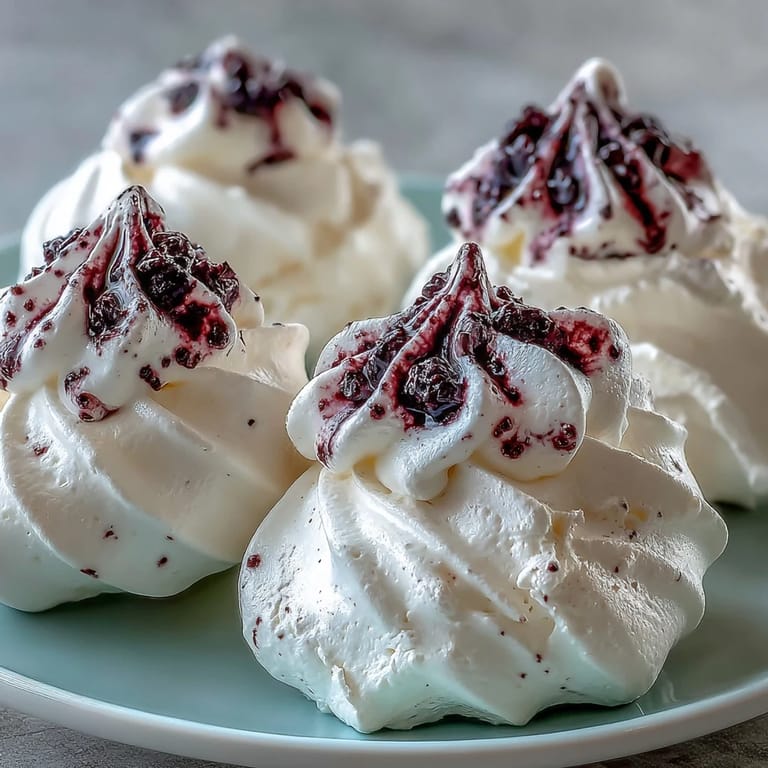
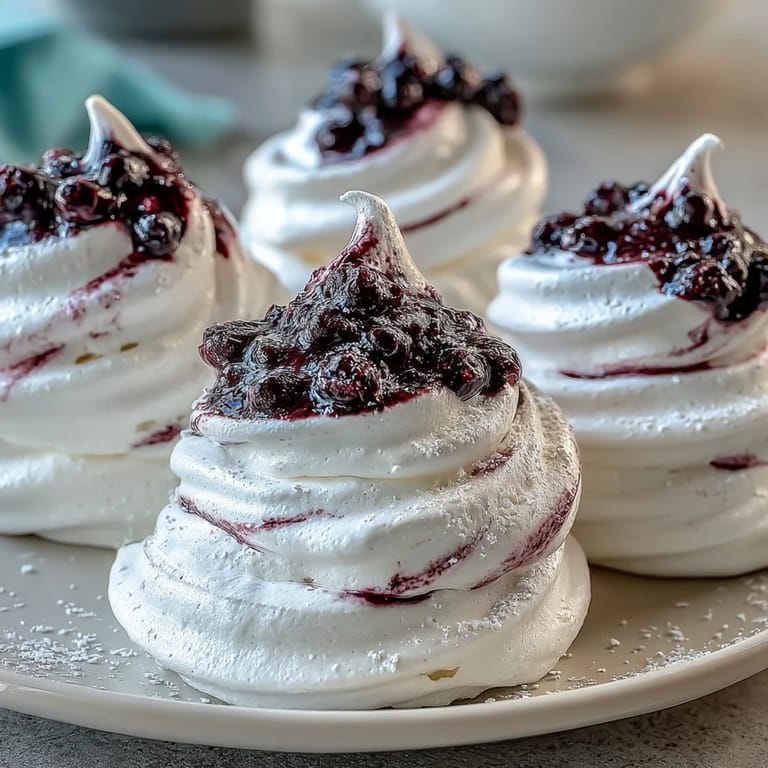
- Fold in about 1 tablespoon of blackcurrant powder very gently using a spatula, turning the bowl as you go to create those beautiful purple streaks. Use a folding motion rather than stirring—you're trying to keep the air bubbles intact, not deflate them.
- Shape your meringues:
- Use a spoon or piping bag to create dollops about the size of a walnut, spacing them an inch apart so they don't touch while baking. If you're piping, a simple open star tip looks elegant and holds its shape nicely.
- Add the final dusting:
- Sprinkle the remaining blackcurrant powder over the tops for extra color and an intense burst of flavor in each bite. This visible coating is what makes them look so professionally made.
- Bake low and slow:
- At 225°F for 90 minutes, the meringues dry out instead of browning, and they should lift cleanly from parchment when done. If they still feel sticky underneath, give them another 10 to 15 minutes.
- Cool completely:
- Turn off the oven and crack the door open slightly, then let them sit inside for at least an hour to finish setting. This gradual cooldown prevents cracking and keeps them from weeping.
- Store properly:
- Once completely cool, transfer to an airtight container with parchment between layers to keep them crisp and prevent moisture from stealing their crunch.
 Pin It
 There's something almost ceremonial about watching meringues bake in the oven—the way they dry rather than cook, how they slowly transform from glossy peaks into delicate shells. I've learned to use that time to clean the kitchen, and somehow the small act of straightening up feels meditative when you're waiting. By the time they emerge, the entire kitchen smells faintly sweet and fruity, and you know something special is about to happen.
Flavor Variations to Try
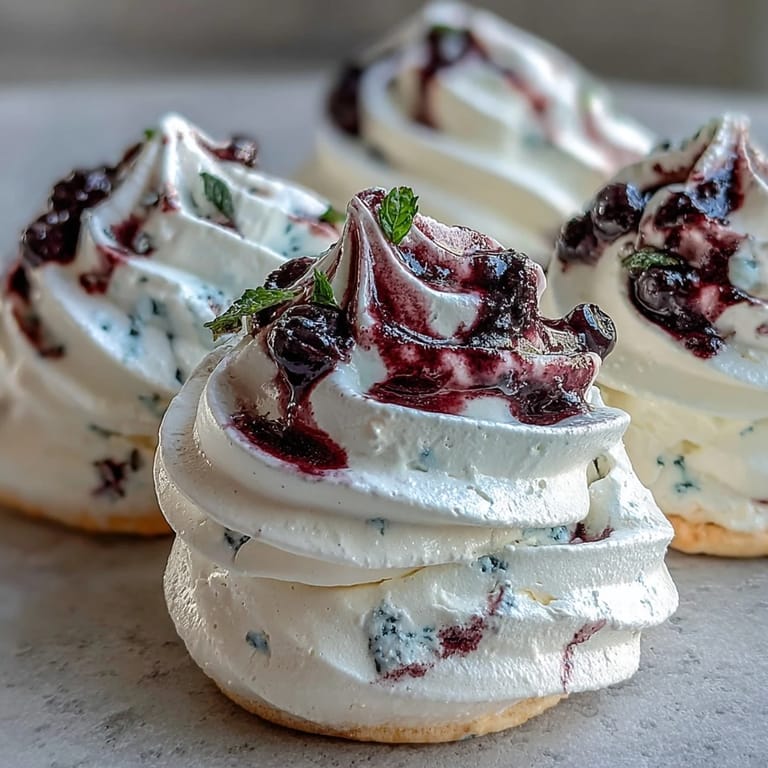
Once you nail the basic technique, the blackcurrant powder becomes your jumping-off point. I've experimented with raspberry and blueberry powders, and each one brings a different personality to the same crispy base. A friend suggested mixing blackcurrant with a tiny bit of rose water, and now that's become my favorite twist—it adds an unexpected floral note that makes people pause mid-bite.
Serving and Pairing Ideas
These meringues shine on their own, but they transform into something truly elegant when paired thoughtfully. A dollop of whipped cream and a few fresh berries turns them into a light dessert that feels fancy without being fussy, and they're beautiful enough to serve at dinner parties or package as gifts.
Troubleshooting and Common Questions
Meringues can feel temperamental, but most problems trace back to a few common causes that you can now anticipate. Weeping or sweating on the surface usually means the oven wasn't hot enough to set them, or the kitchen was too humid—neither is a reflection on your technique, just circumstances you can account for next time. If they turn brown instead of white, your oven is running hot, so lower the temperature by 25 degrees and add time accordingly.
- If meringues spread instead of holding their shape, your egg whites had even a trace of yolk, so start fresh and separate more carefully.
- If they crack on top while baking, let the oven cool very slightly or crack the door open a bit earlier to release steam more gradually.
- If they stick to the parchment, they needed more baking time or a lower heat—completely cool meringues should lift away easily.
 Pin It
 These meringues remind me that the simplest recipes often hold the most magic—just egg whites, sugar, and a handful of pantry staples transform into something that tastes like you've been perfecting it for years. Every time I pull a batch from the oven, I'm reminded why I love cooking: the quiet patience, the precision, and that moment when everything comes together exactly right.
Recipe FAQs
- → What makes blackcurrant meringues different from regular meringues?
The addition of blackcurrant powder creates striking purple marbling throughout the white meringue while imparting an intense tangy fruit flavor. Freeze-dried powder provides concentrated berry essence without adding moisture that could affect texture.
- → Can I use fresh or frozen blackcurrants instead of powder?
Fresh or frozen berries contain too much moisture for meringues and would cause them to become soggy or collapse. Freeze-dried blackcurrant powder is essential for maintaining the proper structure while delivering concentrated flavor and natural color.
- → Why must meringues cool in the oven after baking?
Cooling slowly inside the turned-off oven prevents sudden temperature changes that could cause cracking or collapsing. This gentle cooling process helps meringues achieve their signature crisp exterior and perfect texture throughout.
- → How should I store blackcurrant meringues?
Store in an airtight container at room temperature away from humidity. Properly stored meringues remain crisp for up to two weeks. Avoid refrigeration as moisture can soften them. Layer with parchment paper to prevent sticking.
- → Can I substitute blackcurrant powder with other fruit powders?
Yes! Raspberry, blueberry, strawberry, or cherry powders work beautifully with the same technique. Each fruit powder creates unique color variations and flavor profiles while maintaining the delicate meringue texture.
- → What's the purpose of cream of tartar in meringues?
Cream of tartar stabilizes the egg whites, helping them hold their volume and achieve stiff glossy peaks. It also prevents the protein structure from breaking down during mixing, resulting in more stable meringues that maintain their shape during baking.