 Pin It
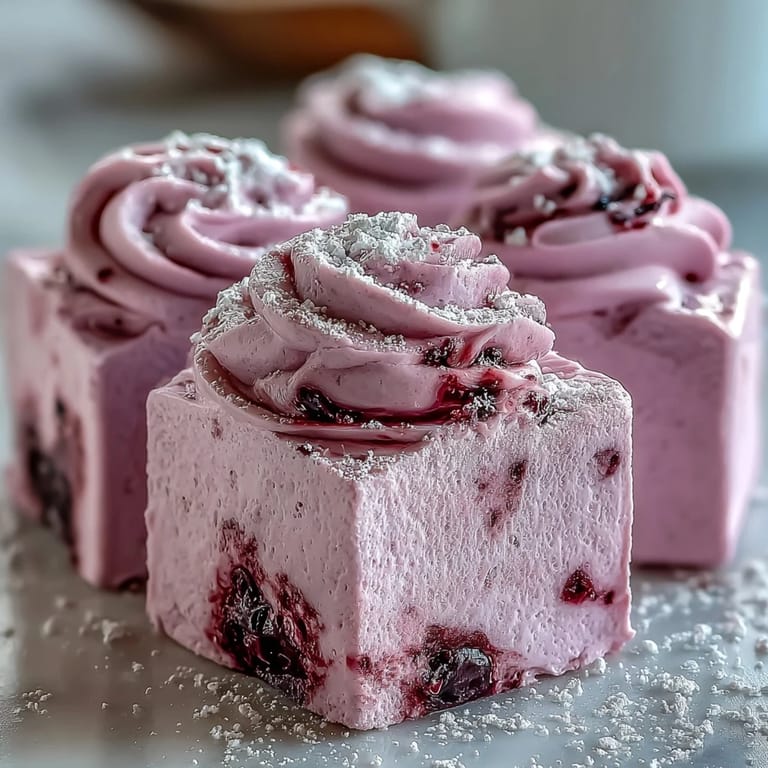
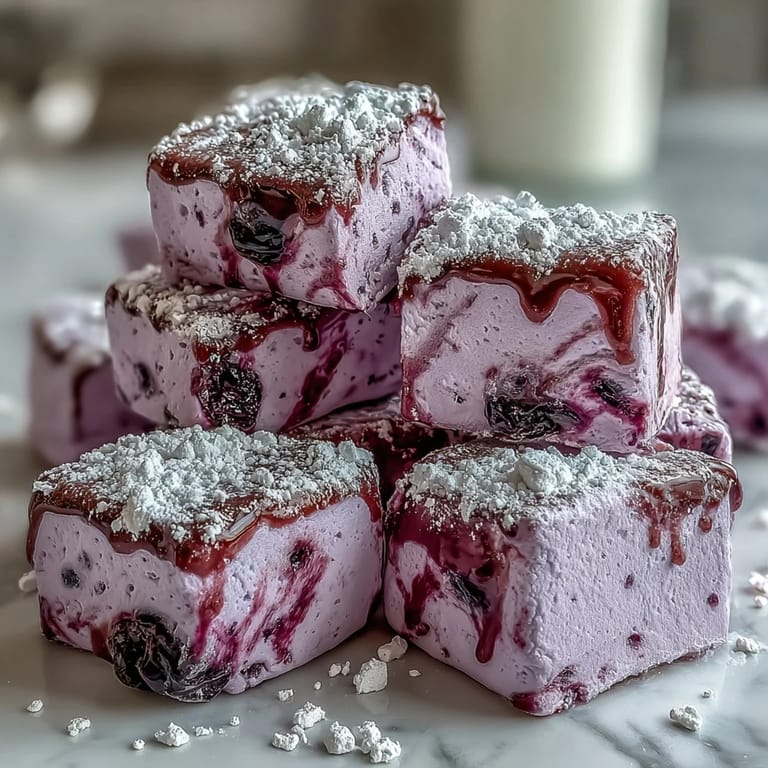
 I discovered black currant marshmallows by accident at a small café in Edinburgh, where they arrived on a plate still dusted with their sugar coat, impossibly light and tinged with the most gorgeous lavender hue. The moment one melted on my tongue, I tasted something between childhood nostalgia and grown-up sophistication, that distinctive tart edge of black currant cutting through the sweetness. I knew I had to reverse-engineer them in my own kitchen, and after a few sticky mishaps with the candy thermometer, I finally nailed it. What emerged was this cloud-like creation that feels both whimsical and elegant, a treat that makes people pause and ask what exactly they're tasting.
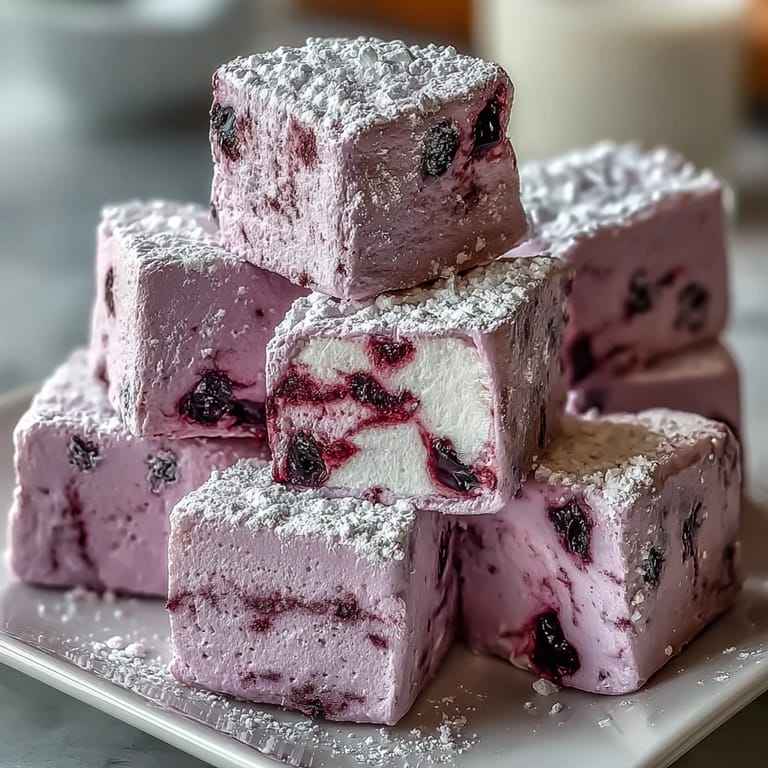
Last winter, I brought a batch to my friend's dinner party, tucked in a small box tied with twine, and watched her face light up when she opened it. She broke one in half to show everyone the soft lavender color inside, and someone asked if I'd used food coloring, which made me laugh because the color came entirely from the black currants. By the end of the evening, there were only crumbs left, and two people asked for the recipe.
Ingredients
- Blackcurrant Purée: Use fresh or frozen black currants blended smooth and strained through a fine sieve to remove seeds; this gives you pure flavor without grittiness, and the tartness is what makes these marshmallows sing.
- Powdered Unflavored Gelatin: The three packets are essential for structure and that signature marshmallow texture; don't skip blooming it in cold water first, as this helps it dissolve evenly when the hot syrup hits.
- Granulated Sugar and Corn Syrup: Together they create the sticky base that gets whipped into volume; the corn syrup prevents crystallization and keeps the marshmallows tender instead of grainy.
- Candy Thermometer: Reaching exactly 240°F is non-negotiable if you want marshmallows that set properly without becoming rubbery.
- Confectioners Sugar and Cornstarch Dust: This mixture prevents sticking and gives the finished marshmallows that elegant matte finish; the cornstarch especially keeps them from clumping together in storage.
Tired of Takeout? 🥡
Get 10 meals you can make faster than delivery arrives. Seriously.
One email. No spam. Unsubscribe anytime.
Instructions
- Set Up Your Workspace:
- Line your 8x8 inch pan with parchment paper, letting it overhang slightly so you can lift the marshmallow slab out easily later. Dust the bottom and sides generously with the sugar-cornstarch mixture so nothing sticks.
- Cook the Black Currant Mixture:
- Combine the purée, water, and sugar in a small saucepan and let it bubble gently for 4 to 5 minutes until it darkens slightly and thickens; this concentrates the flavor and reduces excess moisture that could make your marshmallows weep.
- Bloom the Gelatin:
- Sprinkle the gelatin over the cold water in your mixer bowl and let it sit undisturbed for 10 minutes, until it looks like wet sand. This step hydrates the gelatin so it incorporates smoothly when the hot syrup arrives.
- Cook the Sugar Syrup to Temperature:
- In a separate saucepan, combine sugar, corn syrup, and water, stirring until the sugar dissolves, then stop stirring and let a candy thermometer do the work. Watch it climb steadily to 240°F, at which point the syrup is perfectly cooked and ready to transform into marshmallow.
- Whip the Gelatin into Clouds:
- With the mixer on low, pour the hot syrup slowly into the bloomed gelatin while the whisk is running, then crank the speed to high and let it whip for 6 to 8 minutes until the mixture triples in volume and turns glossy and pale. This is when the magic happens, as air gets beaten into the mixture and it goes from a thin liquid to an airy, mousse-like foam.
- Add the Flavor and Color:
- Reduce the mixer to medium speed and add the salt, vanilla extract, and cooled black currant purée, whipping for another 1 to 2 minutes until the color is even and soft lavender throughout. Be careful not to overmix at this point, or you'll start deflating all those beautiful air bubbles you just created.
- Pour and Set:
- Immediately pour the marshmallow mixture into your prepared pan, using a spatula to smooth the top into an even layer. Let it sit uncovered at room temperature for at least 4 hours, or overnight if you have the patience, until it feels firm to the touch but still has a slight give.
- Cut and Dust:
- Turn the entire slab out onto a cutting board, peel away the parchment paper, and dust all exposed sides with the sugar-cornstarch mixture. Using a sharp knife that you've also dusted in the mixture, cut the marshmallows into squares, wiping the blade between cuts to keep them clean and prevent sticking.
 Pin It
 I remember the moment I realized these weren't just candy, but something worth giving to people you actually care about. A coworker mentioned she'd been saving the ones I made for a week, rationing them one per evening as a small ritual before bed, and that stuck with me in a way that made the whole tedious process feel worthwhile.
Flavor Variations Worth Exploring
The beauty of this recipe is that black currant is really just the beginning. I've made batches with raspberry purée, which gives a softer pink color and a slightly sweeter taste, and with tart cherry, which adds an almost wine-like depth. Blackberry works beautifully too, though you'll want to strain it extra carefully to catch all the tiny seeds. Each variation takes the same base and gives you something entirely different, so once you've nailed the technique with black currant, you can experiment freely.
Storage and Longevity
These marshmallows keep for up to a week in an airtight container at room temperature, staying fluffy and intact the whole time. The key is making sure the container is truly airtight, because marshmallows are sponges for moisture and will go stale quickly if exposed to humid air. If you live somewhere humid, adding a small silica packet to the container will help extend their life by a few days.
Creative Ways to Use Them
Beyond eating them straight, these marshmallows are stunning in hot chocolate, where the tartness plays off the richness of chocolate, and they look almost too pretty to melt. You can also dip them in dark chocolate, which creates a beautiful contrast of flavors. Some people even crumble them and fold them into whipped cream for an unexpected dessert garnish.
- Toast them lightly over a candle or kitchen torch if you're feeling fancy and want to wake up that toasty exterior.
- Pair them with a cup of Earl Grey tea for an afternoon that feels very civilized and European.
- Pack them as gifts in small boxes with parchment between the layers so they don't stick to each other.
 Pin It
 Making these marshmallows is as much about the experience as the result, a few hours of your day spent creating something delicate and lovely that disappears far too quickly. There's something deeply satisfying about pulling a perfect slab of set marshmallow from the pan and knowing that something this cloud-like and beautiful came from your own hands.
Recipe FAQs
- → How long do black currant marshmallows need to set?
Allow the marshmallows to set uncovered at room temperature for at least 4 hours until fully firm. For best results, let them set overnight before cutting into clean squares.
- → Can I use frozen blackcurrants instead of fresh?
Absolutely. Frozen blackcurrants work perfectly when blended and strained into purée. Thaw them first, then process exactly as you would fresh berries. The flavor remains vibrant and tart.
- → What temperature should the sugar syrup reach?
Cook the sugar syrup until it reaches exactly 240°F (115°C) on a candy thermometer. This precise temperature ensures proper marshmallow texture - too low and they won't set, too high and they become tough.
- → How should I store these marshmallows?
Keep in an airtight container at room temperature for up to 1 week. Separate layers with parchment paper dusted with the sugar-cornstarch mixture to prevent sticking. Avoid refrigeration as it alters texture.
- → Can I substitute other fruits for blackcurrant?
Yes. Blackberry, raspberry, or cherry purée work beautifully as alternatives. Each fruit creates a unique color - expect pink from raspberries, deep purple from blackberries, or reddish-pink from cherries.
- → Why is my marshmallow mixture not turning lavender colored?
The lavender hue comes naturally from the blackcurrant purée. If your purée appears too dark or concentrated, the color may be deeper. For lighter color, use slightly less purée or mix gently without over-whipping after adding fruit.