 Pin It
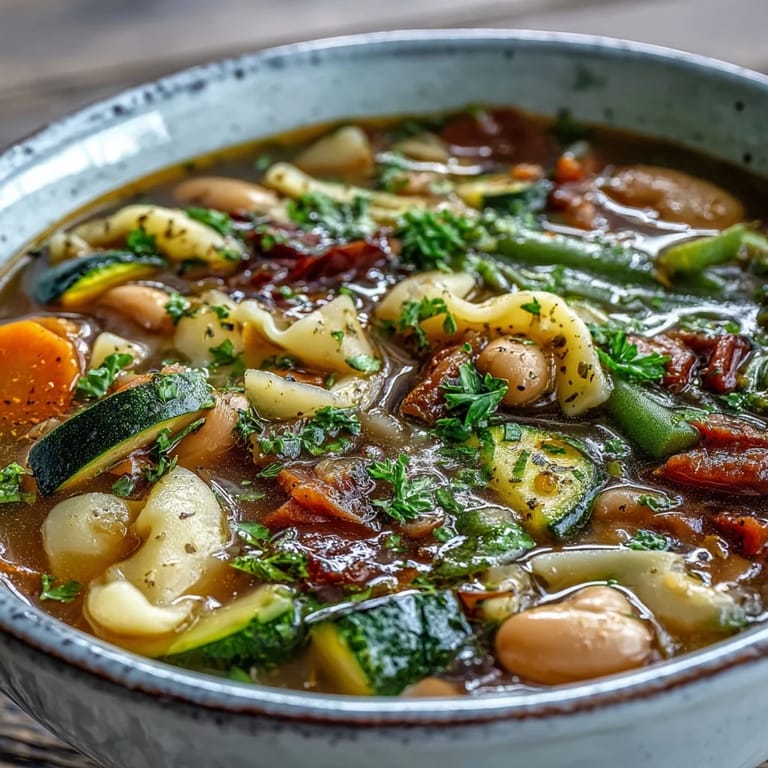
 The steam from my vegetable minestrone seems to chase away the chill that sneaks through the kitchen window on rainy days. I first stumbled upon this recipe during a cooking class in Florence, where our instructor insisted the secret was using whatever vegetables were at their peak that day. Back home, I've found myself instinctively reaching for this recipe whenever someone's feeling under the weather, or when the pantry seems too empty to make anything substantial. Somehow, this soup always proves me wrong.
Last winter during that unexpected power outage, I managed to make this on our gas stove by flashlight as the neighbors gathered in our kitchen. We huddled around steaming bowls at the table, laughing about how the candlelight made everything taste more authentic. Someone brought crusty bread, another had a block of parmesan, and suddenly the darkness outside felt less imposing as we scraped our spoons against empty bowls.
Ingredients
- Seasonal Vegetables: The soul of minestrone lies in using what looks best at the market that day, and I've learned that keeping the dice uniform helps everything cook evenly.
- Cannellini Beans: The creamy texture these beans develop gives the soup body without needing cream, though I sometimes mash a few against the side of the pot to thicken the broth even more.
- Small Pasta: Tiny shapes like ditalini or elbows make this more satisfying without overwhelming the vegetables, but watch carefully as they'll continue absorbing broth even off the heat.
- Parmesan Rind: That hardened end piece you might normally throw away infuses the entire pot with a savory depth that's impossible to achieve any other way.
Tired of Takeout? 🥡
Get 10 meals you can make faster than delivery arrives. Seriously.
One email. No spam. Unsubscribe anytime.
Instructions
- Build Your Flavor Base:
- Heat olive oil until it shimmers, then add your diced onion, carrots, and celery, letting them slowly soften until your kitchen fills with that sweet, earthy aroma. You'll know it's right when the vegetables look slightly translucent but haven't browned.
- Add Seasonal Vegetables:
- Toss in your garlic first, stirring for just 30 seconds until fragrant, then add zucchini or squash depending on the season. Watch the colors brighten as they cook, a sign they're releasing their flavors into the pot.
- Create The Broth:
- As the tomatoes and potato hit the hot pot, you'll notice them starting to break down, releasing their starchy goodness. When you pour in that vegetable broth, listen for that satisfying sizzle that promises good things are happening.
- Let It Simmer:
- This gentle bubbling stage is where magic happens as flavors meld together and vegetables soften. Resist the urge to rush this part, as patience here rewards you with depth you can't get any other way.
- Add Beans and Pasta:
- Watch carefully during this final cooking stage, stirring occasionally to prevent the pasta from sticking to the bottom. The soup will gradually thicken as the pasta releases its starch into the broth.
- Season and Finish:
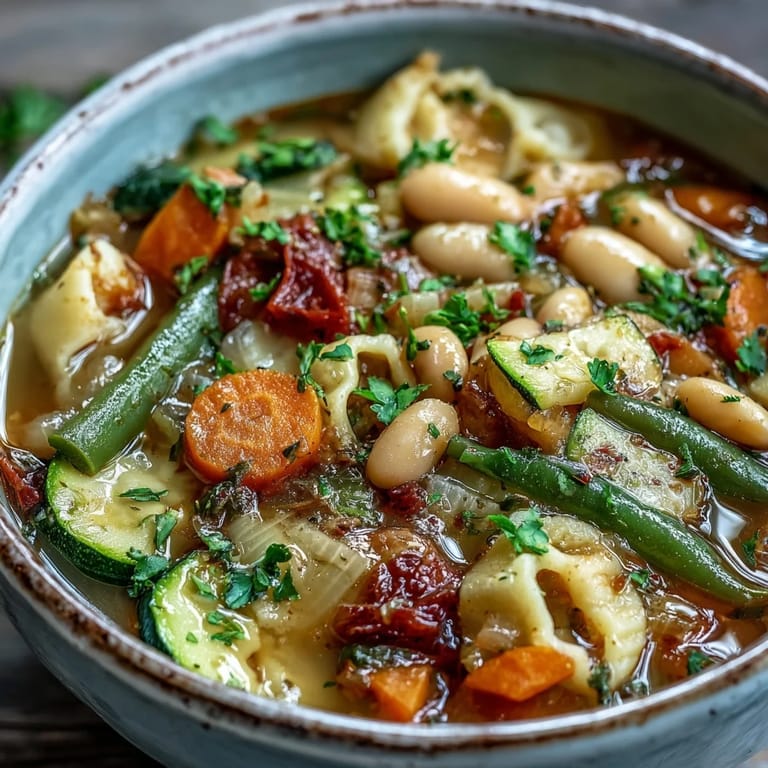
- Taste before adding salt, especially if your broth was already seasoned. Fresh parsley adds a bright note that cuts through the richness, while a shower of grated Parmesan melting on top creates little pools of savory goodness.
 Pin It
 My daughter, who once declared all vegetables her mortal enemy, surprised me by requesting this soup for her birthday dinner last year. When I asked why, she shrugged and said it was the only meal that reminded her of snow days and board games, even though it was mid-July. That moment crystallized for me how food becomes more than sustenance when it anchors itself to our memories.
Seasonal Adaptations
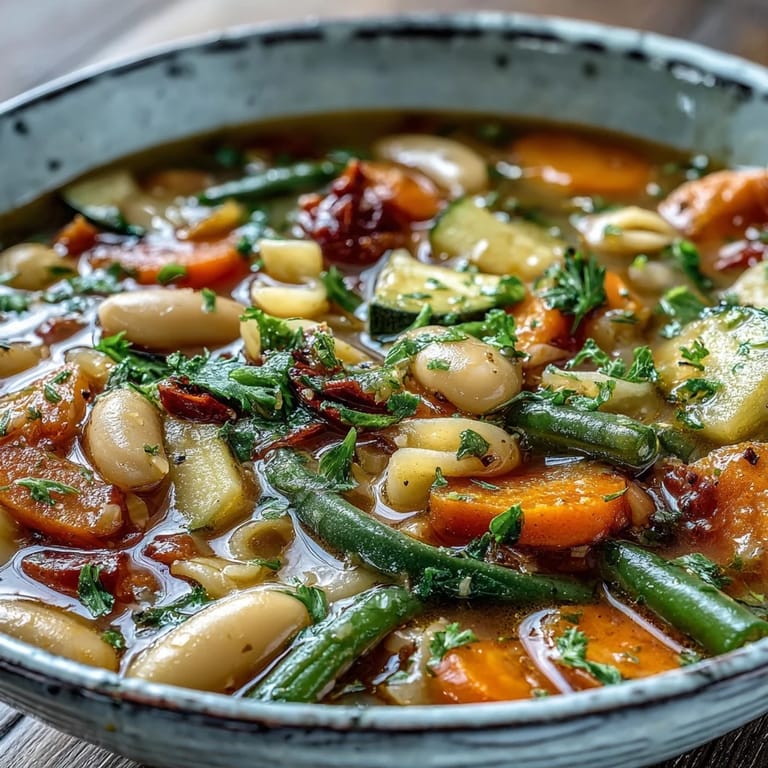
Summer minestrone in our house means a lighter broth with fresh tomatoes instead of canned, corn cut straight from the cob, and a handful of green beans that snap between your fingers. Winter transforms it entirely with hearty kale that wilts into the broth, chunks of butternut squash that partly dissolve to add sweetness, and sometimes a swirl of pesto from last summer's basil, defrosted just for this purpose.
Make-Ahead Magic
The flavor profile of minestrone actually improves overnight in the refrigerator, making it an ideal candidate for Sunday meal prep. I've taken to cooking everything except the pasta, then refrigerating the base. Each evening, I'll simmer a portion while cooking just enough pasta to add at the last minute, creating the illusion of a freshly made soup without the full preparation time.
Serving Suggestions
Though perfectly complete on its own, minestrone reaches new heights when accompanied by simple additions that complement without complicating. I've discovered that setting the table with small bowls of extra virgin olive oil for drizzling, freshly cracked black pepper, and torn basil leaves allows everyone to customize their bowl.
- A slice of garlic-rubbed toasted bread placed at the bottom of the bowl before ladling hot soup creates a delightful surprise halfway through eating.
- For a more substantial meal, a simple side salad of bitter greens with lemon juice cuts through the richness perfectly.
- Keep leftovers in wide-mouth jars for grab-and-go lunches that need just five minutes of stovetop reheating.
 Pin It
 This soup has taught me more about improvisation than any cooking class ever could. Whenever I make it, I'm reminded that the most nourishing meals often come from working with what we have rather than longing for what we don't.
Recipe FAQs
- → What vegetables work best in minestrone?
Classic options include onions, carrots, celery, zucchini, green beans, and tomatoes. For winter variations, try butternut squash, kale, spinach, or savoy cabbage. Spring works well with peas and leeks. The key is using whatever's fresh and in season.
- → Can I make minestrone gluten-free?
Absolutely. Simply substitute the regular pasta with gluten-free pasta shapes like ditalini or shells. All other ingredients naturally gluten-free. Always check labels on packaged broth and canned goods to ensure no gluten-containing additives.
- → How long does minestrone keep in the refrigerator?
Stored in an airtight container, minestrone keeps well for 4-5 days. The pasta may absorb more broth over time, so you might need to add extra liquid when reheating. This soup actually develops deeper flavors after a day or two.
- → What pasta shapes work best in this soup?
Small pasta shapes like ditalini, elbows, macaroni, or small shells are ideal because they're easy to scoop with a spoon. They cook evenly and hold their texture well in the broth. Avoid larger shapes that become unwieldy in soup.
- → Can I freeze minestrone?
Yes, though it's best to freeze without the pasta. Cook and freeze the vegetable-bean base, then add freshly cooked pasta when reheating. This prevents the pasta from becoming mushy. Freeze for up to 3 months in freezer-safe containers.
- → How can I add more protein to this soup?
Beyond the cannellini or borlotti beans, you can add extra protein with lentils, chickpeas, or even small pasta shapes made from legumes. For non-vegetarian versions, diced chicken or pancetta pairs beautifully with the Italian flavors.