 Pin It
 There's this particular evening I won't forget—a friend called just as I was staring into my pantry, wondering what on earth to make for dinner. They mentioned they'd been craving risotto, and something about the way they said it made me realize I'd never actually made it before, despite all those years of Italian cooking. Two hours later, my kitchen smelled like toasted rice and earthy mushrooms, and I understood why risotto has this quiet magic: it demands your attention, rewards your patience, and tastes like pure comfort.
I made this for my sister the week after I'd finally nailed it, and I remember how her eyes widened at that first spoonful. She said it tasted like I'd been making risotto my whole life, which made me laugh because forty-five minutes earlier I'd been nervously ladling broth and second-guessing myself. That's when risotto stopped being a recipe and became proof that good food doesn't need to be complicated—just honest and made with intention.
Ingredients
- Arborio rice (1 ½ cups): This short-grain rice releases starch as it cooks, which creates that signature creamy texture—it's the foundation of everything, so don't substitute with regular long-grain rice or you'll lose the magic.
- Cremini or button mushrooms (12 oz, sliced): These absorb flavor beautifully when sautéed until golden, and their earthy notes anchor the whole dish.
- Olive oil (1 tbsp): Use a good quality oil for sautéing the mushrooms first—it brings out their depth.
- Unsalted butter (1 tbsp plus 2 tbsp more): The first bit goes with the oil for mushrooms; the remaining butter stirred in at the end adds richness that transforms the texture.
- Yellow onion (1 medium, finely chopped): Cut it small so it softens completely and becomes almost sweet—this is where the flavor base starts.
- Garlic (2 cloves, minced): Fresh garlic here is non-negotiable; it needs just sixty seconds in the pan to wake up without burning.
- Vegetable broth (4 cups, kept warm): Keep it simmering in a separate pot the whole time—cold broth will shock the rice and interrupt the cooking rhythm.
- Dry white wine (½ cup): This adds a subtle brightness and acidity that prevents the dish from feeling heavy; don't skip it even if you think you don't like wine flavor.
- Parmesan cheese (½ cup grated, plus extra): The good kind makes a difference—if it's pre-grated, it'll clump, so grate fresh or buy it in chunks.
- Salt and black pepper: Taste as you go; you'll need more salt than you'd expect because the broth and cheese add it gradually.
- Fresh parsley (2 tbsp chopped, optional): A final handful of green brings brightness and reminds you that this is a vegetable dish at its heart.
Tired of Takeout? 🥡
Get 10 meals you can make faster than delivery arrives. Seriously.
One email. No spam. Unsubscribe anytime.
Instructions
- Sauté the mushrooms until they're golden and dry:
- Heat oil and a tablespoon of butter in a large skillet over medium heat. When the butter foams, add your sliced mushrooms in a single layer—if you crowd the pan, they'll steam instead of caramelize. Let them sit for a minute before stirring, then cook until the liquid they release has evaporated and the edges turn golden, about six to eight minutes. This is where the mushroom flavor concentrates, so be patient and listen for that subtle sizzle.
- Build the aromatic base with onion and garlic:
- Use the same pan with all those mushroom browned bits stuck to the bottom. Add your finely chopped onion and stir gently until it turns translucent and soft, roughly three minutes. Then add the minced garlic and cook for just a minute—if you go longer, it turns bitter and ruins everything you've just built.
- Toast the rice to coat each grain:
- Stir in the Arborio rice and keep stirring for about two minutes. You want to hear it click gently against the pan and see the edges turn slightly translucent—this toasting helps the rice hold its shape once you start adding liquid.
- Deglaze with wine and let it mostly disappear:
- Pour in the white wine and stir until it's almost entirely absorbed. This usually takes a minute or two, and the smell that rises up is the first hint that something delicious is about to happen.
- Add broth one ladleful at a time, stirring often:
- This is the meditative part where risotto reveals its secret. Ladle in about a cup of warm broth, stir frequently but not constantly, and wait until the rice has mostly absorbed the liquid before adding the next ladle. Keep going for eighteen to twenty minutes, tasting a grain of rice now and then to check if it's creamy but still slightly firm in the center—that's al dente, and it's the sweet spot.
- Finish with mushrooms, butter, and cheese:
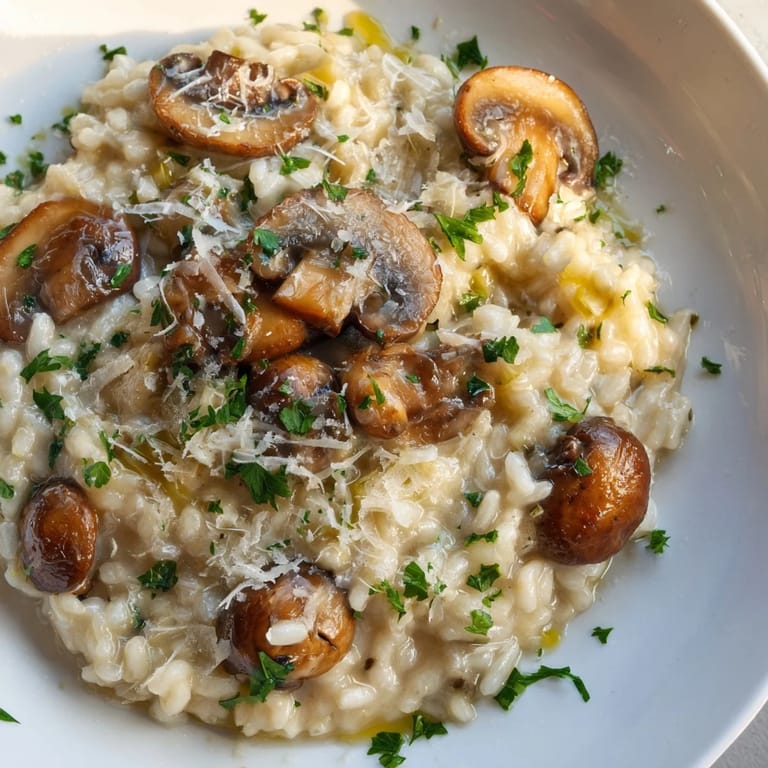
- When the rice is almost there, fold in the reserved mushrooms, two tablespoons of cold butter (cut into small pieces), and the grated Parmesan cheese. Stir gently for about two minutes—the cold butter and cheese will melt and create this silky texture that feels almost luxurious. Season with salt and pepper to taste, remembering that the cheese is already salty.
- Serve immediately while it's hot and creamy:
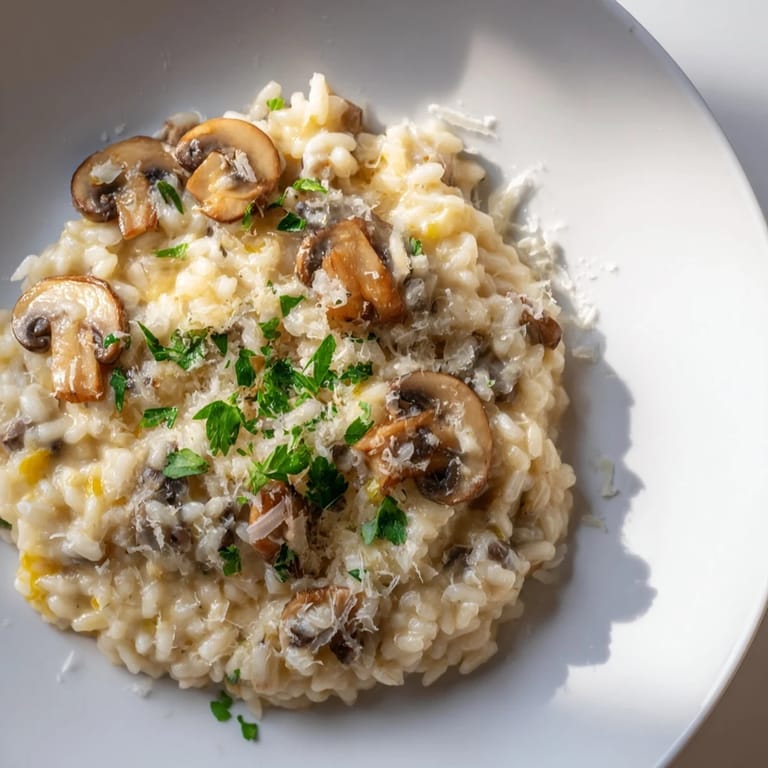
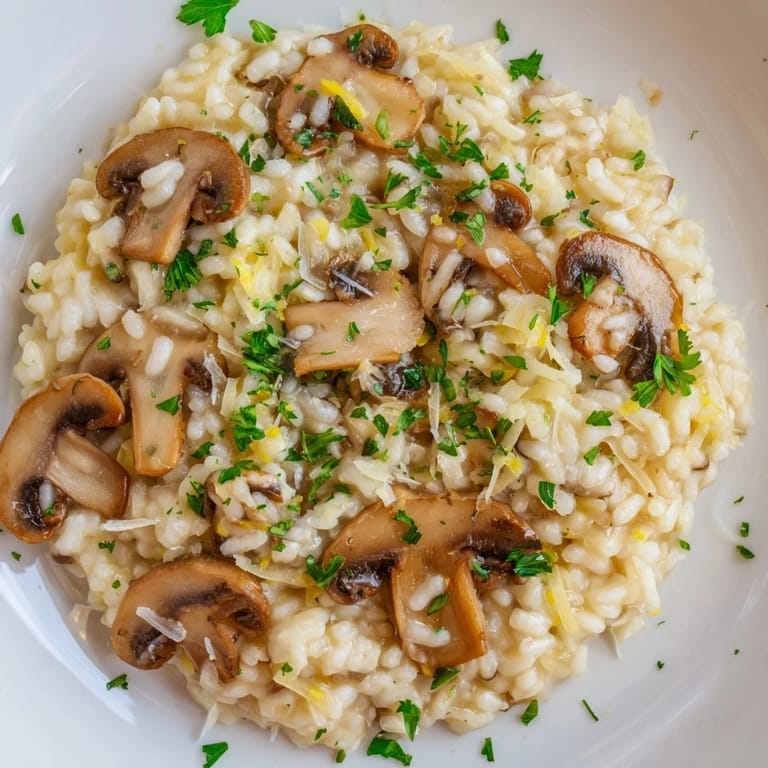
- Risotto waits for no one. Spoon it into bowls right away, grate a little extra Parmesan over the top, scatter with fresh parsley if you're using it, and watch people's faces light up.
 Pin It
 The moment I understood risotto was the moment I stopped thinking of cooking as a solo performance and started thinking of it as a conversation. The rice tells you what it needs, the broth gradually becomes part of it, and somehow the butter and cheese at the end feel like they were always meant to be there. It's the kind of dish that reminds you why people spend hours in the kitchen.
Making It Your Own
While cremini mushrooms are wonderful, a mix of wild mushrooms—like porcini, shiitake, or oyster—will deepen the flavor in ways that feel almost luxurious. Some people add a small splash of truffle oil at the very end, which feels fancy but isn't; a handful of fresh thyme or sage stirred in with the mushrooms adds an herbal note that makes people pause and say, "What is that?" If you want it earthier, a few threads of saffron steeped in the warm broth will turn the rice golden and add a subtle warmth that sounds complicated but feels effortless.
What to Serve It With
Risotto likes company but not too much—a simple green salad with a sharp vinaigrette cuts through the richness perfectly, or a crisp Pinot Grigio alongside it creates this beautiful balance where each spoonful and sip seem to highlight each other. I've also served it with roasted asparagus piled on top, which adds color and a gentle bitterness that keeps the dish from feeling too heavy. The key is letting risotto be the star; sides should whisper, not shout.
Storage and Reheating Tips
Risotto is one of those dishes that's genuinely better eaten fresh and warm, but if you have leftovers, they'll keep in the refrigerator for three days in an airtight container. To reheat without ruining it, add a splash of warm broth or white wine to a skillet over gentle heat and stir constantly until the risotto loosens up and becomes creamy again—never use a microwave, which will dry it out. Some people even transform leftover risotto into crispy risotto cakes by forming cold risotto into patties, pan-frying them until golden, and serving with a little salad on the side.
- Keep leftover risotto in an airtight container in the coldest part of your fridge for up to three days.
- Reheat gently over medium heat with a splash of broth, stirring constantly to restore creaminess.
- Risotto is best enjoyed fresh, so plan to make just what you'll eat the same evening.
 Pin It
 There's something generous about risotto, the way it asks you to slow down and stay present while it quietly becomes something beautiful. Once you make it once, you'll understand why people come back to it again and again.
Recipe FAQs
- → What type of rice is best for this dish?
Arborio rice is ideal due to its high starch content, which creates the creamy consistency typical of this Italian style.
- → How should the mushrooms be prepared?
Sauté mushrooms in butter and olive oil until golden and liquid evaporates to concentrate their flavor before adding to the dish.
- → Why is white wine used in the cooking process?
White wine adds acidity and depth, balancing the creaminess while enhancing the rice’s natural flavors.
- → How do you achieve the perfect texture for the rice?
Slowly add warm vegetable broth in small amounts, stirring frequently, allowing the rice to absorb liquid and cook evenly to al dente texture.
- → Can this dish be adapted for non-vegetarians?
Yes, substituting vegetable broth with chicken broth will add a different flavor profile, while preserving the dish’s creamy texture.