 Pin It
 I discovered chermoula on a sweltering afternoon in a spice market where the air was so thick with cumin and coriander you could practically taste it before eating anything. A vendor's weathered hands moved with the certainty of someone who'd made this North African marinade a thousand times, and watching him pound cilantro and garlic into submission made me realize that marinades weren't just about coating fish—they were about intention. When I finally made my first batch at home, the aroma that hit when I squeezed that lemon made my kitchen smell like a place I'd never been but somehow recognized.
The first time I served this to dinner guests, I almost didn't mention it was a marinade I'd made myself—that's how confidently it tasted like something from a Moroccan restaurant. My friend took one bite of the sea bass and her eyes went wide, and I loved that moment when homemade suddenly feels more impressive than store-bought.
Ingredients
- Fresh cilantro and parsley: These are the heart of chermoula; use them generously and don't skip either one because they work as a team to build depth.
- Garlic and shallot: Minced as finely as you can manage so they distribute evenly and don't create sharp pockets of raw garlic heat.
- Lemon zest and juice: The zest carries oils that juice alone can't provide, giving the marinade a rounder citrus presence.
- Cumin, paprika, and coriander: Toast these briefly in your mind as you add them to understand how they build warmth and earthiness.
- Cayenne pepper: This is adjustable based on who's eating, so add conservatively and taste as you go.
- Extra-virgin olive oil: Don't use the cheap stuff here; the quality matters because olive oil is half the marinade by volume and flavor.
- Sea salt: Finish with salt rather than starting with it so you can taste and adjust at the end.
Tired of Takeout? 🥡
Get 10 meals you can make faster than delivery arrives. Seriously.
One email. No spam. Unsubscribe anytime.
Instructions
- Gather your herbs and start rough:
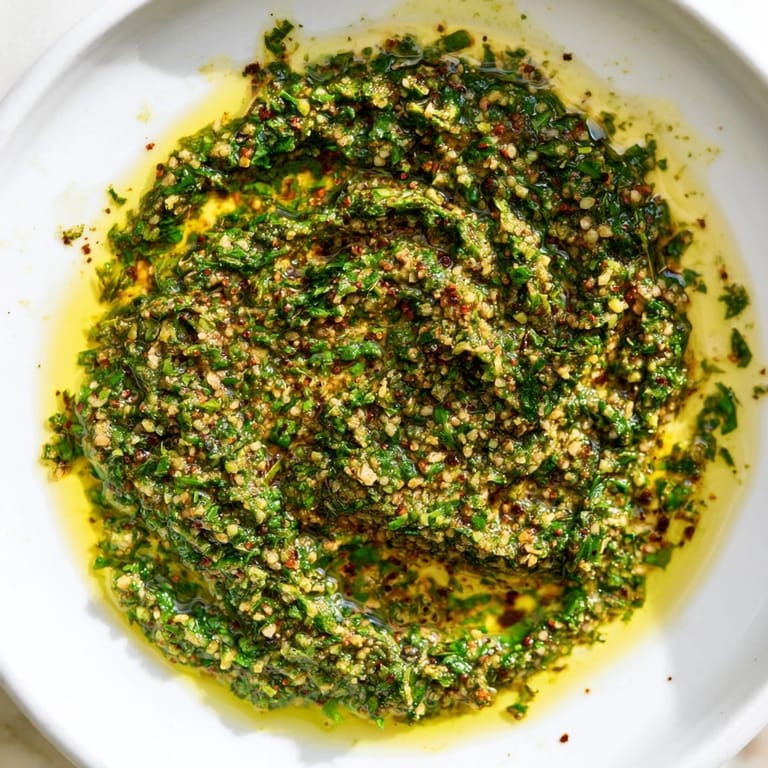
- Chop your cilantro and parsley into pieces that are visible but small enough to stick to fish; this is about texture as much as flavor. Don't overthink the size—rustic is better than minced to dust.
- Build your aromatics base:
- Mince your garlic and shallot together on the cutting board so their juices start mingling, then add them to the bowl with the herbs. This is where the marinade begins to smell like something real.
- Add brightness and spice:
- Zest your lemon directly into the bowl so you catch those fragrant oils, then squeeze in the juice and add all your spices at once. The citrus will perfume everything immediately and you'll know you're on the right track.
- Bring it together with oil:
- Pour in the olive oil slowly while you stir, watching the mixture transform from dry ingredients into something that clings together. This is when you'll really smell the magic—that moment the herbs release their full intensity.
- Taste and adjust your way:
- Before you declare it finished, taste a tiny bit on your finger and think about what's missing; maybe more lemon brightness, maybe more salt, maybe a whisper more cayenne if you're feeling bold.
 Pin It
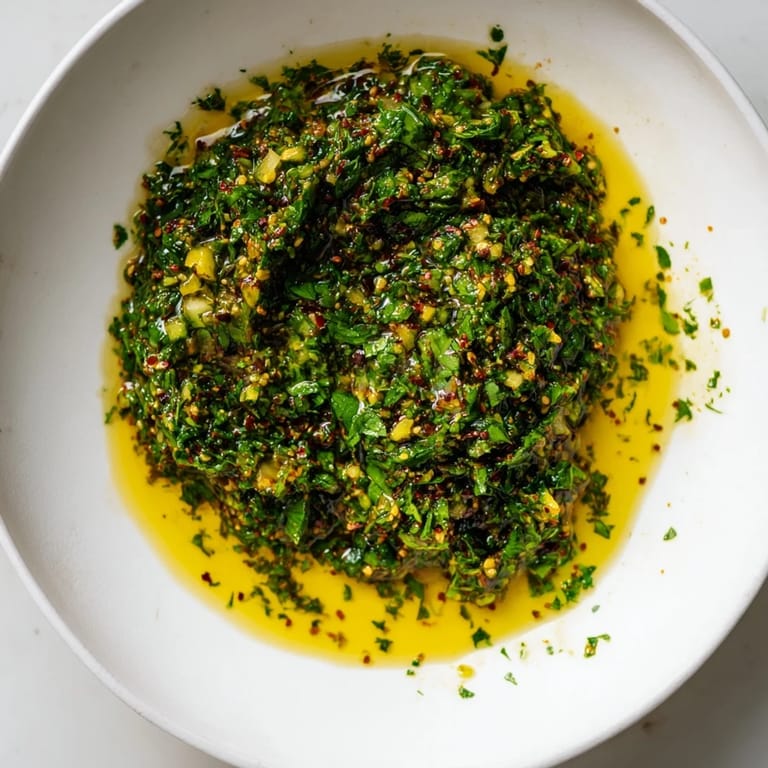
 There's a moment when you coat a piece of fish with this paste and see the green and gold cling to it, and suddenly dinner feels ceremonial instead of routine. That's when I knew this wasn't just a recipe—it was a ritual that turned an ordinary weeknight into something worth paying attention to.
Which Fish Sings Best with Chermoula
White fish like cod, snapper, and sea bass are the obvious choice because their mild flavor lets the marinade be the star without competition. But honestly, I've had equal success with salmon because the richness of the fish meets the brightness of the lemon and cilantro halfway, creating something balanced. Shrimp takes this marinade and becomes elegant in a way that feels impressive but tastes effortless.
Beyond Fish: Other Things Worth Marinating
I made a batch on a quiet Sunday and used half for fish, then tossed the remainder with chicken breasts and vegetables because I wasn't ready to commit the whole marinade to one dish. The chicken emerged from the oven tasting like it had been at a Moroccan grill all afternoon, and the roasted vegetables beneath it absorbed enough flavor to steal bites off my plate.
Serving and Pairing Strategies
The most honest thing I can say is that chermoula-marinated fish wants couscous beside it and maybe a simple salad with more lemon and oil to echo the marinade's brightness. A crisp white wine—Sauvignon Blanc won't fight the spices, it'll dance with them—turns dinner into something you'll remember.
- Serve the fish warm from the pan while the marinade residue is still clinging to it, creating little flavor pockets with every bite.
- Make extra couscous because everyone will want something to soak up the pan juices.
- Have a wedge of fresh lemon at the table in case someone wants to add more brightness at the last second.
 Pin It
 This marinade taught me that a few good ingredients in the right proportions can transform humble fish into something that tastes like travel and intention. Once you make it once, you'll find yourself reaching for it constantly.
Recipe FAQs
- → What fish pairs well with this marinade?
White fish such as cod, snapper, and sea bass are excellent choices, as their mild flavors absorb the marinade’s aromatic blend well.
- → Can I prepare the marinade in advance?
Yes, preparing the marinade ahead allows flavors to meld. Refrigerate covered for up to 24 hours for best results.
- → How long should the fish marinate?
Marinate fish for 30 minutes to 2 hours to infuse maximum flavor without overpowering the delicate texture.
- → Can this marinade be used for other proteins?
Absolutely. It complements chicken and vegetables well, enhancing them with its bright and spicy notes.
- → How can I adjust the heat level?
Reduce or omit the cayenne pepper to soften spice intensity, tailoring the marinade to your preference.
- → Is blending the marinade necessary?
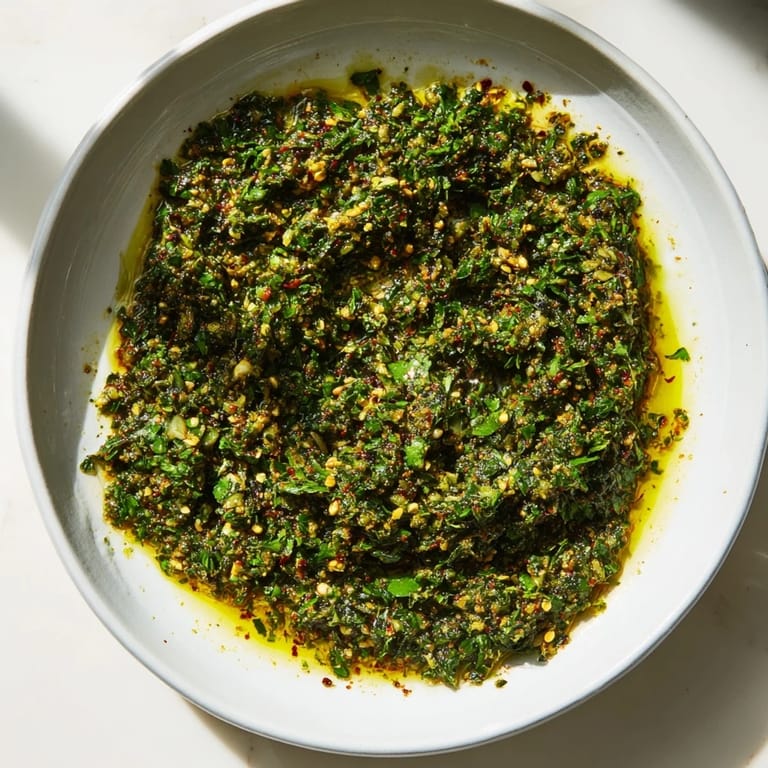
Blending creates a smoother texture but is optional; mixing thoroughly achieves a rustic, chunky paste.