 Pin It
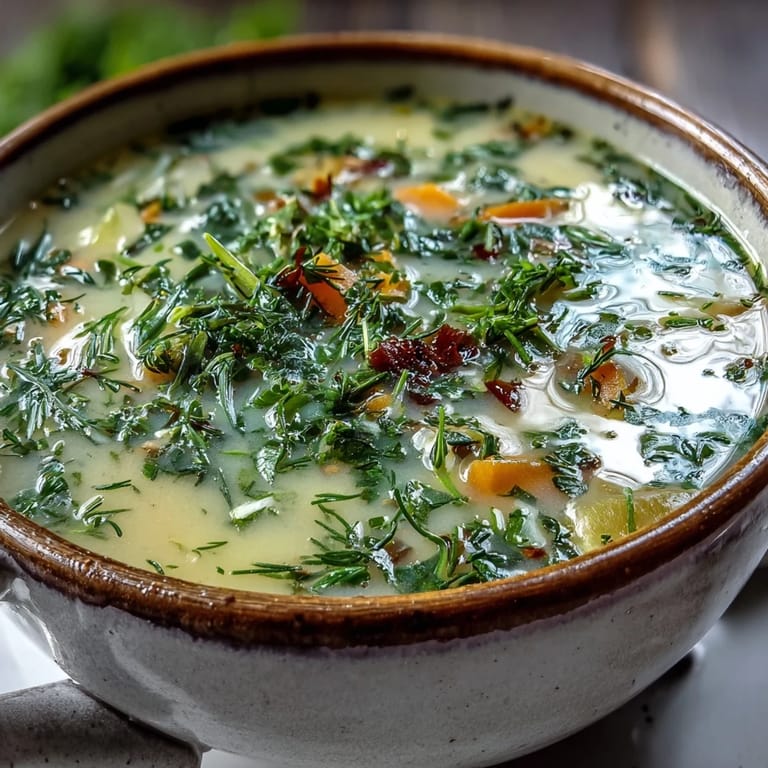
 The first time I made Lemon Herb Soup was during a rainstorm when the power flickered but never quite went out. There was something magical about the bright citrus aroma filling my dimly lit kitchen while thunder rumbled outside. I remember standing over the pot, the steam rising up to fog my glasses, inhaling that perfect balance of herbs and lemon that somehow felt like sunshine in a bowl despite the weather.
Last spring, my neighbor dropped by unexpectedly just as I was finishing a batch of this soup. The kitchen windows were wide open, and she claimed the aroma had literally pulled her across the yard. We sat at my kitchen counter, steam rising from our bowls, trading gardening tips while the soup cooled enough to taste, and by the time she left, Id written the recipe on the back of an envelope for her to take home.
Ingredients
- Fresh herbs: The combination of parsley, dill, chives and thyme creates the soul of this soup, so try to use fresh whenever possible, though I discovered that dried thyme works surprisingly well in a pinch.
- Lemon zest: After years of making this soup, Ive learned that the oils in the zest provide even more vibrant flavor than the juice alone, so dont skip this step even if it seems fussy.
- Vegetable broth: Using low-sodium allows you to control the saltiness, something I learned the hard way after once making this with regular broth and ending up with an overly salty batch.
- Celery and carrots: The natural sweetness of these vegetables balances the brightness of the lemon, creating a foundation that supports rather than competes with the citrus notes.
- Optional rice or orzo: Adding just a half cup transforms this from a light starter to something that can stand alone as a meal, perfect for those nights when youre craving something substantial but still fresh.
Tired of Takeout? 🥡
Get 10 meals you can make faster than delivery arrives. Seriously.
One email. No spam. Unsubscribe anytime.
Instructions
- Create the aromatic base:
- Heat that tablespoon of olive oil until it shimmers, then add your chopped onion and let it soften until you can see through the pieces, about 3 minutes. The kitchen should already be filling with that sweet onion scent.
- Build the vegetable layer:
- Add the minced garlic, diced carrots and celery, then sauté for about 5 minutes. Youll notice the vegetables becoming slightly softer and more colorful as they release their flavors into the oil.
- Create the broth foundation:
- Pour in your vegetable broth, bringing it to a gentle boil before reducing to a simmer. Let this bubble away for about 10 minutes, allowing the vegetables to infuse the liquid.
- Introduce the brightness:
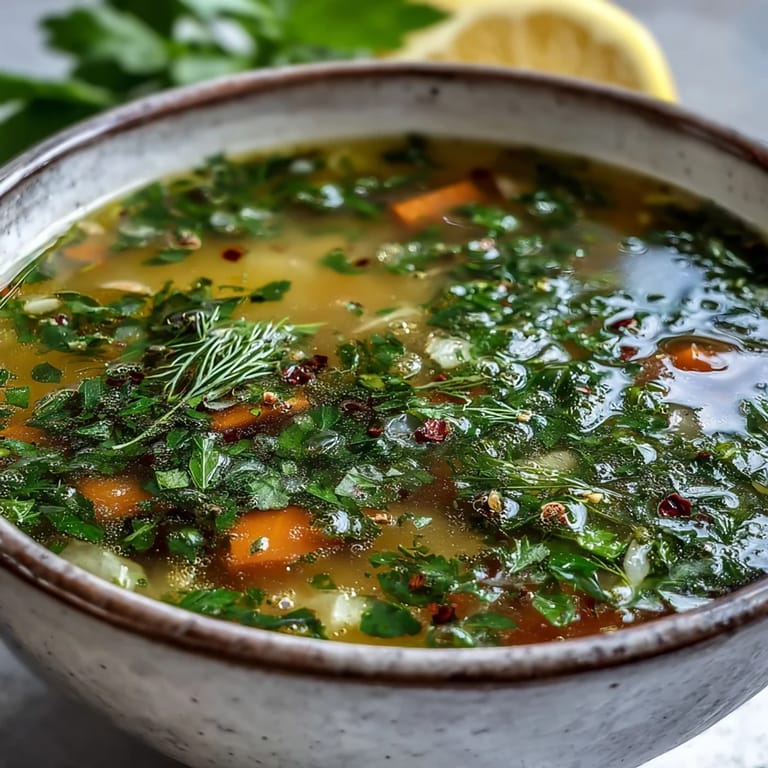
- This is my favorite part, where you stir in the lemon zest, juice, and all those fresh herbs. The transformation is immediate as the citrus hits the hot broth, releasing an incredible aroma.
- Add substance (optional):
- If youre using rice or orzo, now is the time to stir it in, letting it warm through for 2-3 minutes. Watch how the broth thickens slightly as the starches mingle with the soup.
- Final seasoning:
- Taste before adding salt and pepper, adjusting until the flavors sing in harmony. The amount youll need varies depending on your broth and personal preference.
 Pin It
 When my daughter came home from college with a terrible cold, this soup was the only thing she wanted to eat. We sat together on the couch, her wrapped in a blanket, both holding steaming mugs of lemon herb soup, and she told me between sips that the smell reminded her of home even when she was away. Sometimes the simplest foods create the strongest connections.
Serving Suggestions
I love floating thin slices of lemon on top of each bowl just before serving, not just for the visual appeal but because the heat of the soup releases more of the oils from the rind. The aroma that rises up with the steam creates an experience that begins before the first spoonful even reaches your mouth.
Storage Tips
This soup keeps beautifully in the refrigerator for up to four days, though the bright green of the herbs will gradually fade. Ive found that reheating it gently on the stovetop rather than in the microwave helps preserve the delicate flavors better, especially the citrus notes which can become muted with aggressive reheating.
Variations to Try
Over the years, Ive experimented with countless versions of this versatile soup, each bringing its own character to the table. During summer months, I sometimes add corn kernels cut fresh from the cob, which add little bursts of sweetness against the tangy lemon backdrop.
- For a protein boost, add a can of drained and rinsed white beans during the last five minutes of cooking.
- Switch up the citrus by substituting meyer lemon or even a combination of lemon and orange for a more complex sweetness.
- For a Mediterranean twist, add a handful of pitted and chopped kalamata olives and a sprinkle of crumbled feta just before serving.
 Pin It
 This lemon herb soup has become more than just a recipe in my household, its a remedy for cold days, busy weeks, and tired spirits. I hope it brings the same bright comfort to your table that its brought to mine.
Recipe FAQs
- → Can I make this soup ahead of time?
Yes, prepare up to 3 days in advance and store in the refrigerator. The flavors actually deepen and meld together beautifully overnight. Add fresh herbs just before reheating for the brightest taste.
- → What herbs work best in this soup?
Fresh parsley, dill, chives, and thyme create the classic Mediterranean profile. You can substitute basil or tarragon for dill and chives to explore different flavor variations while maintaining the bright, herbaceous character.
- → Is this soup freezer-friendly?
The soup freezes well for up to 3 months without the rice or orzo. If adding grain, freeze the broth separately and add cooked rice when reheating to prevent it from becoming mushy. Leave a bit of headspace in containers for expansion.
- → How do I adjust the citrus intensity?
Start with the juice of one lemon, then taste and add more gradually. The zest provides concentrated lemon flavor without additional acidity, so adjust both elements to achieve your preferred brightness level. Remember that flavors intensify as the soup sits.
- → Can I add protein to make it more substantial?
Shredded cooked chicken works beautifully for a heartier version. White beans or chickpeas also complement the citrus-herb profile while adding plant-based protein. Add any protein during the final 5 minutes of simmering to heat through without overcooking.
- → What vegetables can I substitute?
While the classic mirepoix of onion, carrot, and celery provides the traditional base, you can use leeks instead of onions, or add diced fennel for subtle anise notes that pair wonderfully with citrus. Keep the total vegetable quantity similar for consistent texture.