 Pin It
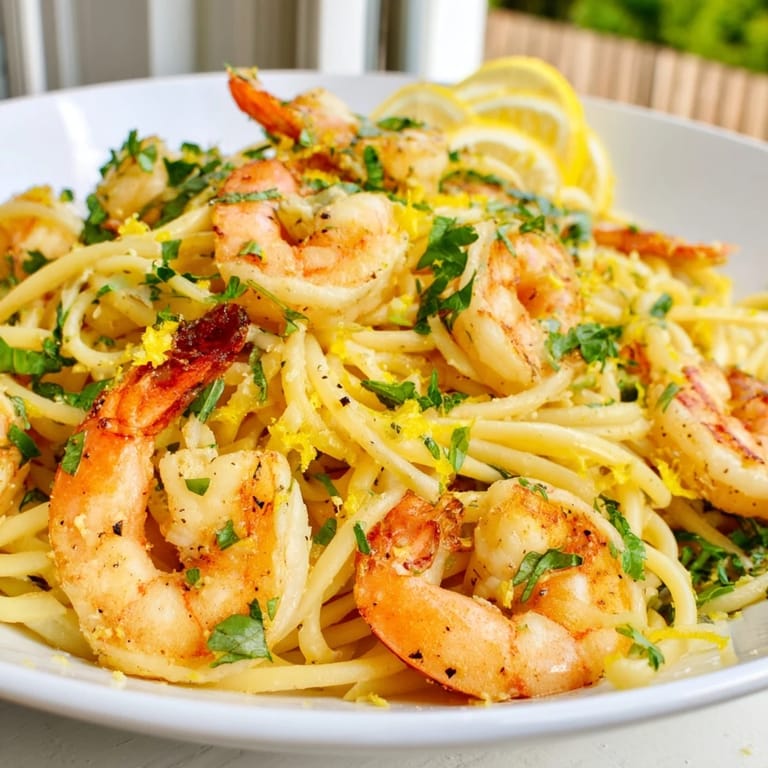
 There's something about the smell of garlic hitting hot oil that makes you feel like you're cooking something special, even on a Tuesday night. I discovered this lemon herb pasta years ago when I needed to impress someone with a meal that looked effortless but tasted anything but. The shrimp cooks so quickly that you're never standing there waiting, the lemon keeps everything bright and alive, and somehow it feels restaurant-quality without the stress.
I made this for my friend who'd just moved to the city and had nothing but a tiny kitchen and big dreams. Watching her face when the pasta came together in that skillet, steam rising off it, lemon juice making everything shine—that's when I realized this dish does something special. It transforms however you're feeling into something hopeful in a single pan.
Ingredients
- Large shrimp, 400 g (14 oz), peeled and deveined: The larger they are, the easier they are to not overcook; I always ask the fishmonger to do the deveining for me because it's genuinely annoying.
- Linguine or spaghetti, 340 g (12 oz): Any long pasta works, but thinner shapes let the sauce cling better and cook faster.
- Garlic, 3 cloves, minced: Fresh is non-negotiable here; the whole dish hinges on that garlicky backbone.
- Lemon, 1 large, zest and juice: Get a lemon that feels heavy in your hand—it'll have more juice and brightness.
- Fresh parsley, 3 tbsp, finely chopped: Don't chop it too early or it starts to oxidize and lose its vibrant green.
- Fresh basil, 2 tbsp, finely chopped (optional): If you have it, it transforms this into something even more alive; if not, parsley alone is more than enough.
- Extra-virgin olive oil, 3 tbsp: Use something you actually like tasting, because it's doing real work here, not hiding in a crowd of ingredients.
- Unsalted butter, 1 tbsp: This is your secret weapon for richness; it emulsifies with the lemon juice to create something silky.
- Salt and black pepper, to taste: Taste as you go—you'll need more than you think because pasta water dilutes seasoning.
Tired of Takeout? 🥡
Get 10 meals you can make faster than delivery arrives. Seriously.
One email. No spam. Unsubscribe anytime.
Instructions
- Start the pasta:
- Bring a large pot of salted water to a boil and cook the pasta according to package instructions until it's al dente—tender but still with a little resistance when you bite it. Before you drain it, scoop out about 120 ml of that starchy pasta water and set it aside; this liquid is liquid gold for tying everything together.
- Prepare and sear the shrimp:
- Pat the shrimp dry with paper towels (this matters more than you'd think for getting them to brown properly), then season lightly with salt and pepper. Heat 2 tbsp of olive oil in a large skillet over medium-high heat until it shimmers, then add the shrimp in a single layer and let them sit for 1–2 minutes per side until they turn pink and opaque—resist the urge to move them around.
- Build the flavor base:
- Remove the shrimp to a plate and reduce the heat to medium. Add the remaining 1 tbsp olive oil and the butter to the skillet, then sauté the minced garlic for about 30 seconds just until it becomes fragrant and turns pale golden.
- Bring it all together:
- Add the cooked pasta to the skillet along with the reserved pasta water, lemon zest, and lemon juice, tossing everything gently to coat. The sauce will look loose at first, but it tightens as the starch from the pasta water emulsifies with the oil and butter.
- Finish and serve:
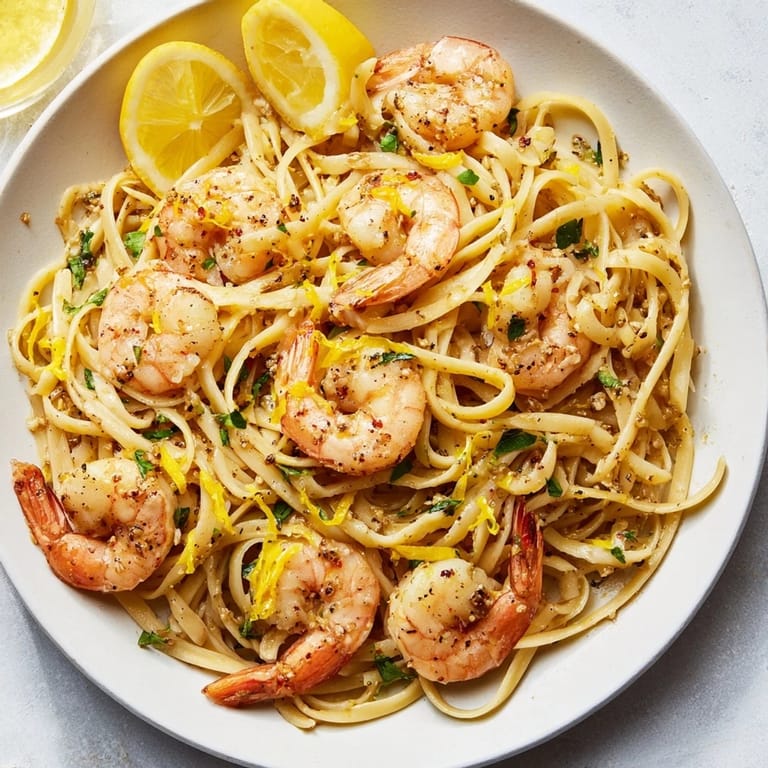
- Return the shrimp to the pan, scatter in the parsley and basil, and toss gently until everything is heated through and coated in that silky lemon sauce. Taste and adjust the salt and pepper—you might need more than you expect.
 Pin It
 My neighbor once asked why her pasta always felt heavy, and when I watched her cook, I realized she wasn't using any of the pasta water. That single thing changed everything for her. This dish taught me that sometimes the magic isn't in fancy ingredients—it's in understanding how humble things like starch and heat work together.
Why This Works
There's a reason restaurants make pasta dishes like this look simple—because they are, but only if you understand what's happening. The shrimp brings richness and protein, the lemon brings brightness and acidity, and the pasta water brings everything into harmony. It's not overthought, which is exactly why it works.
Variations and Swaps
This dish is forgiving enough to accommodate what you have and what you like. Some nights I skip the basil and double the parsley, other times I'll add a pinch of red pepper flakes right when the garlic hits the oil for a subtle background heat. You can make this with scallops instead of shrimp, or even leave out the seafood entirely and load it with blanched broccoli and white beans for something vegetarian.
Serving and Pairing
This is a dish that needs very little—a simple salad with a sharp vinaigrette on the side cuts through the richness nicely, and a chilled Sauvignon Blanc or Pinot Grigio feels like the obvious pour. There's no need for bread unless you're someone who can't resist soaking up sauce, in which case, grab a slice of good sourdough.
- Grate fresh Parmesan right over the top if you're not going dairy-free; it adds a salty, umami note that makes everything better.
- For a dairy-free version, simply skip the butter and any cheese, and the dish still sings because the lemon and olive oil are doing all the heavy lifting.
- Leftovers reheat gently with a splash of water or extra lemon juice, though honestly, this is one of those dishes best eaten fresh.
 Pin It
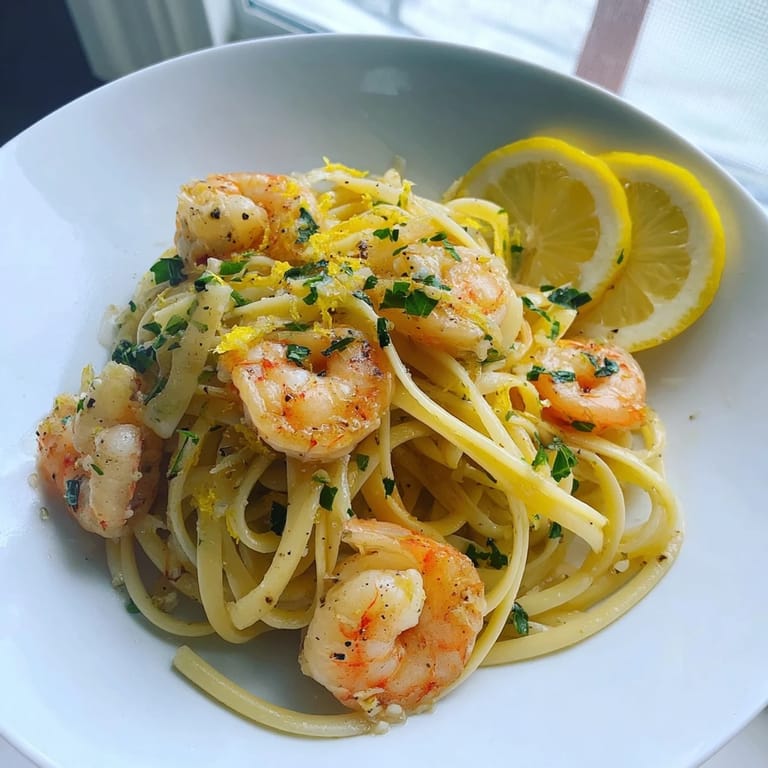
 This pasta taught me that the best meals aren't complicated, they're just honest. It's about respecting good ingredients and not getting in their way.
Recipe FAQs
- → Can I substitute another pasta type?
Yes, spaghetti or fettuccine work well as alternatives to linguine without changing the dish’s character.
- → How should I cook the shrimp for best texture?
Sauté shrimp briefly over medium-high heat until just opaque and pink to maintain a tender, juicy texture.
- → Is it possible to make this dish dairy-free?
Absolutely. Simply omit the butter and Parmesan cheese for a dairy-free option without compromising flavor.
- → What herbs enhance the lemon flavor best?
Fresh parsley and basil complement lemon beautifully, adding brightness and subtle aromatic notes.
- → How can I add a spicy kick to this dish?
Sprinkle a pinch of red pepper flakes while sautéing garlic to introduce gentle heat without overpowering flavors.
- → What wine pairs well with this meal?
Sauvignon Blanc or Pinot Grigio makes an excellent pairing, balancing the citrus and seafood elements.