 Pin It
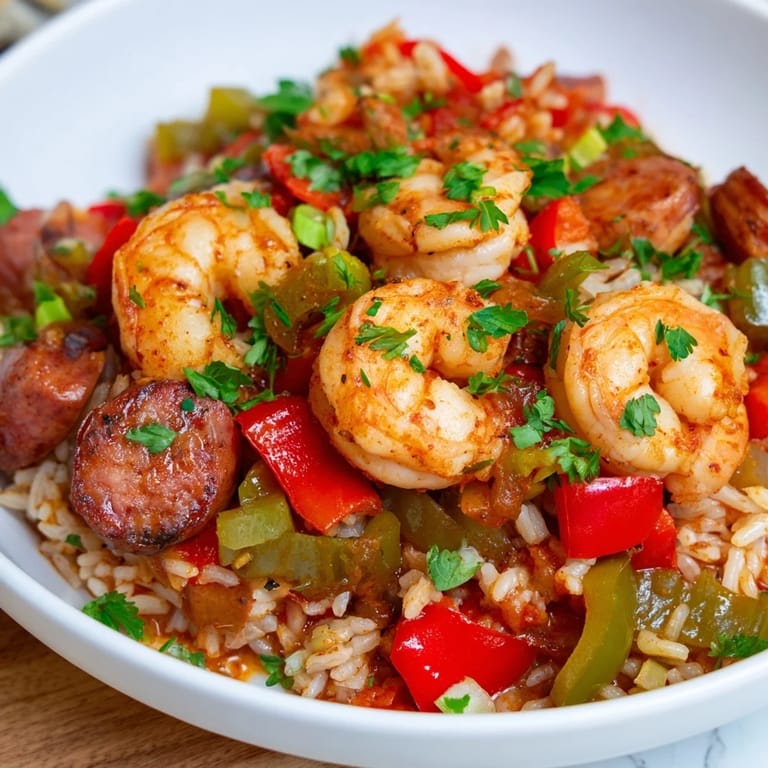
 The first time I made jambalaya, I wasn't aiming for authenticity—I just wanted to feed four hungry people with whatever was in my pantry, and somehow it turned into the most satisfying one-skillet dinner I'd ever made. There's something magical about watching a skillet transform: sausage hits the pan with a sizzle, the kitchen fills with smoke and spice, and before you know it, you're stirring together rice and broth and suddenly everything tastes like New Orleans without ever leaving your kitchen. This recipe taught me that the best meals often come from working with what you have, layering flavors as you go, and trusting that the combination will work.
I remember cooking this for my neighbors on a humid summer evening when we didn't have air conditioning, and somehow eating a steaming bowl of jambalaya while sitting on the porch felt like the right choice—the heat didn't matter because we were too busy talking and eating and asking for seconds. That night taught me that food has a way of making moments feel bigger than they are, and this dish especially has that quality of bringing people together around a table.
Ingredients
- Andouille or smoked sausage (225 g / 8 oz), sliced: The smoky backbone of this dish—it renders fat that becomes your flavor base, so don't skip browning it first or use low-quality sausage.
- Large shrimp (225 g / 8 oz), peeled and deveined: They go in at the very end so they stay plump and tender; frozen shrimp work just as well if thawed properly.
- Yellow onion (1 medium), diced: The aromatic foundation that softens into sweetness as it cooks alongside the peppers.
- Red and green bell peppers (1 of each), diced: They add color, slight sweetness, and that classic Creole vegetable trio when combined with onion and celery.
- Celery (2 stalks), diced: The third member of the holy trinity that gives jambalaya its authentic flavor profile.
- Garlic (3 cloves), minced: A minute of cooking brings out its sweetness without letting it burn or taste harsh.
- Long-grain white rice (200 g / 1 cup): Use a good quality rice that won't turn to mush; it absorbs the broth and sausage flavor as it cooks.
- Low-sodium chicken broth (400 ml / 1 2/3 cups): The liquid that transforms rice into something creamy and rich without actually adding cream.
- Diced tomatoes (400 g / 1 can), undrained: Keep the juice—it's where the flavor lives and helps create that saucy texture.
- Smoked paprika (1 tsp): This is the spice that makes people ask what's in your food; don't substitute with regular paprika or you'll lose that signature smokiness.
- Dried thyme and oregano (1/2 tsp each): They work together to create an herbaceous note that ties the whole dish together.
- Cayenne pepper (1/2 tsp): Start with this amount and add more if you like heat, but remember you can always turn up the spice, never down.
- Black pepper and salt (1/2 tsp and 1 tsp): Taste as you go and adjust these to your preference before the rice goes in.
- Olive oil (2 tbsp), divided: Part of it crisps the sausage, the rest becomes the cooking medium for your vegetables.
- Fresh parsley (2 tbsp), chopped: A bright finish that cuts through the richness and makes the dish look alive on the plate.
Tired of Takeout? 🥡
Get 10 meals you can make faster than delivery arrives. Seriously.
One email. No spam. Unsubscribe anytime.
Instructions
- Brown the sausage first:
- Heat 1 tablespoon olive oil in your largest skillet over medium-high heat and let it shimmer before adding sausage slices. They should sizzle immediately and brown in about 3–4 minutes, developing a caramelized crust that becomes the flavor foundation for everything else.
- Build your aromatics:
- Add the remaining oil and sauté onion, peppers, and celery until they start to soften and become translucent, about 4–5 minutes. When they've lost their raw edge, add minced garlic and cook for just one more minute—you want it fragrant, not brown.
- Toast the rice with spices:
- Stir in your rice along with smoked paprika, thyme, oregano, cayenne, black pepper, and salt, cooking for about a minute while stirring constantly. You'll hear the rice clicking against the pan and see it become coated in oil and spice, which helps it absorb flavor as it cooks.
- Bring it all together:
- Return the sausage to the skillet, then pour in the tomatoes with their juice and the chicken broth, stirring well. Bring everything to a gentle simmer where you see tiny bubbles breaking the surface.
- Let the rice cook through:
- Cover the skillet, reduce heat to low, and cook undisturbed for 20 minutes. You're looking for the rice to absorb most of the liquid and become tender, though it's okay if there's a little moisture left in the pan.
- Add the shrimp at the end:
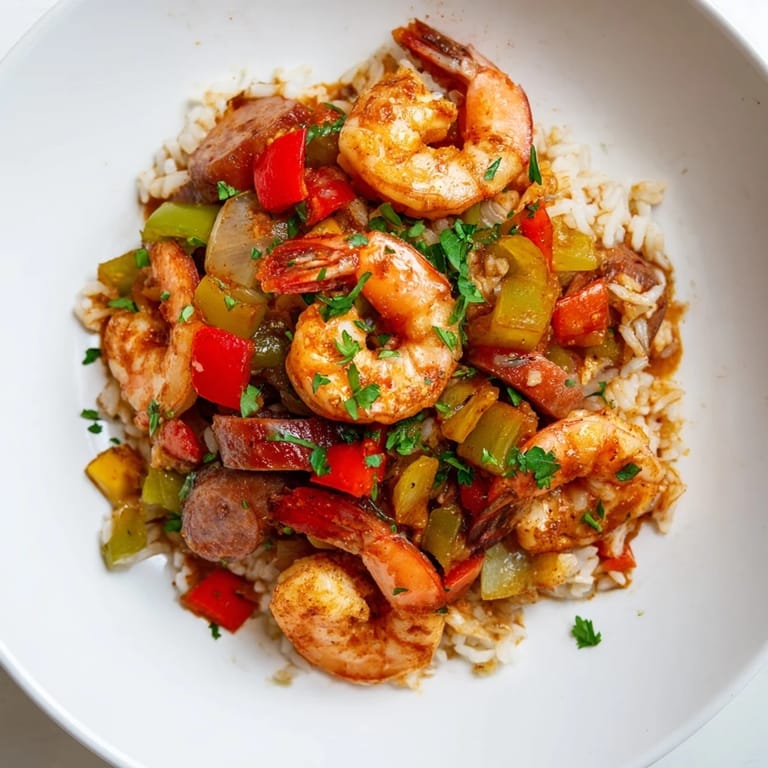
- Arrange shrimp on top of the rice mixture, cover again, and cook for 5–7 minutes until they turn pink and curl slightly. Don't stir them in—let them sit on top where they'll cook gently and stay tender.
- Finish and serve:
- Use a fork to gently fluff the rice, scatter fresh parsley over the top, and serve directly from the skillet. This is one of those dishes that tastes even better if you let everyone serve themselves straight from where it cooked.
 Pin It
 I learned the hard way that jambalaya tastes even better the next day, when the flavors have settled and mingled overnight in the fridge. Reheating it gently with a splash of water brings it right back to life, and it becomes the kind of food that makes you feel cared for, even when you're just reheating your own leftovers.
About the Holy Trinity
Creole cooking relies on three vegetables—onion, celery, and bell pepper—that work together like a flavor chord in music. Each one softens and releases its sugars at a slightly different rate, creating layers of sweetness and depth that would never happen if you added them all at different times. I used to think I could skip the celery or use less, but once I understood that these three vegetables are meant to work as a unit, my Creole dishes tasted noticeably better.
Spice Balance and Heat Level
Jambalaya is supposed to have warmth and depth, not necessarily burn your mouth heat, though some versions definitely do. The smoked paprika is what gives the dish its character—that deep, almost meaty flavor that makes people think it's more complicated than it actually is. You can absolutely crank up the cayenne if you want more fire, but I'd suggest making it once as written, tasting it, and then adjusting for your next batch.
Serving and Pairing Ideas
Serve this straight from the skillet if you're cooking for friends, or plate it and garnish generously with that fresh parsley. A crisp white wine like Sauvignon Blanc cuts through the richness beautifully, and crusty bread is essential for soaking up every last bit of the sauce.
- Hot sauce on the side lets people adjust their own heat level without you having to guess what they want.
- A simple green salad with lemon dressing balances the richness and adds freshness to the meal.
- Leftovers taste great cold the next day or reheated gently with a touch of water to restore the moisture.
 Pin It
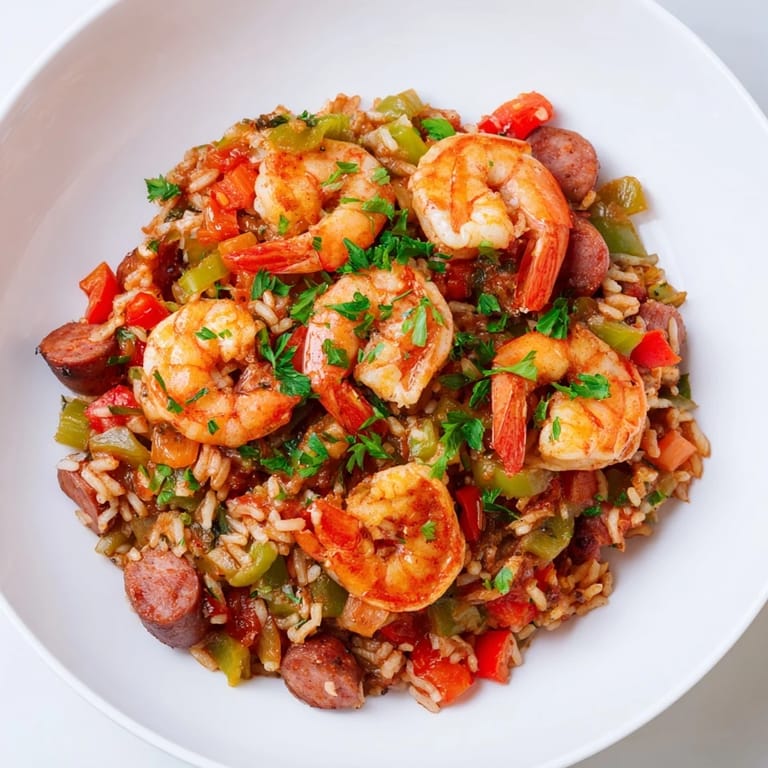
 This recipe became a favorite because it feels like home cooking without the fuss, and every time I make it, I remember why one-skillet meals are so satisfying. There's something about serving dinner directly from the pan it was cooked in that makes the meal feel warm and generous.