 Pin It
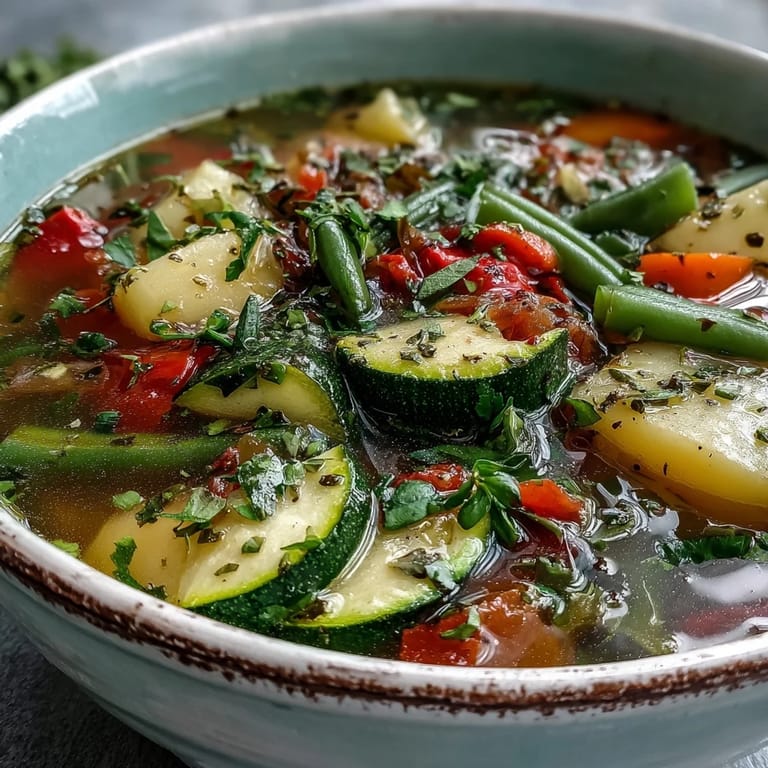
 The windows were beginning to fog as rain tapped against the kitchen glass, creating the perfect backdrop for soup-making. That autumn Tuesday, after finding a surplus of vegetables threatening to soften in my crisper drawer, I pulled out my grandmother's deep pot and improvised this Italian vegetable soup. The kitchen filled with aromatic herbs as each ingredient hit the simmering broth, transforming a practical clean-out-the-fridge moment into what would become a cherished recipe.
Last winter during that unexpected snowstorm, I invited neighbors who had lost power to warm up at our place. With little warning and limited ingredients, I managed to double this soup recipe and serve it alongside crusty bread. The relief on their faces as they cradled steaming bowls between cold fingers turned a community emergency into an impromptu gathering that we still talk about when we cross paths collecting mail.
Ingredients
- Olive oil: Use a good quality one here as it forms the flavor foundation, but save your expensive finishing oils for another dish.
- Vegetable variety: The combination of aromatic base vegetables with seasonal additions creates layers of flavor that keep evolving as you eat.
- Dried herbs: I learned from an Italian friend that crushing dried herbs between your palms before adding them releases their essential oils and intensifies their flavor contribution.
- Vegetable broth: The backbone of this soup, so use homemade if possible, or a low-sodium store-bought version that allows you to control the salt level.
- Cannellini beans: These creamy white beans transform this from a simple vegetable soup into a satisfying meal while adding subtle nutty notes.
Tired of Takeout? 🥡
Get 10 meals you can make faster than delivery arrives. Seriously.
One email. No spam. Unsubscribe anytime.
Instructions
- Build the aromatic base:
- Heat the olive oil until it shimmers slightly, then add onion and garlic, letting their sweet fragrance fill your kitchen as they soften. This foundation layer sets the tone for the entire soup.
- Create the vegetable melody:
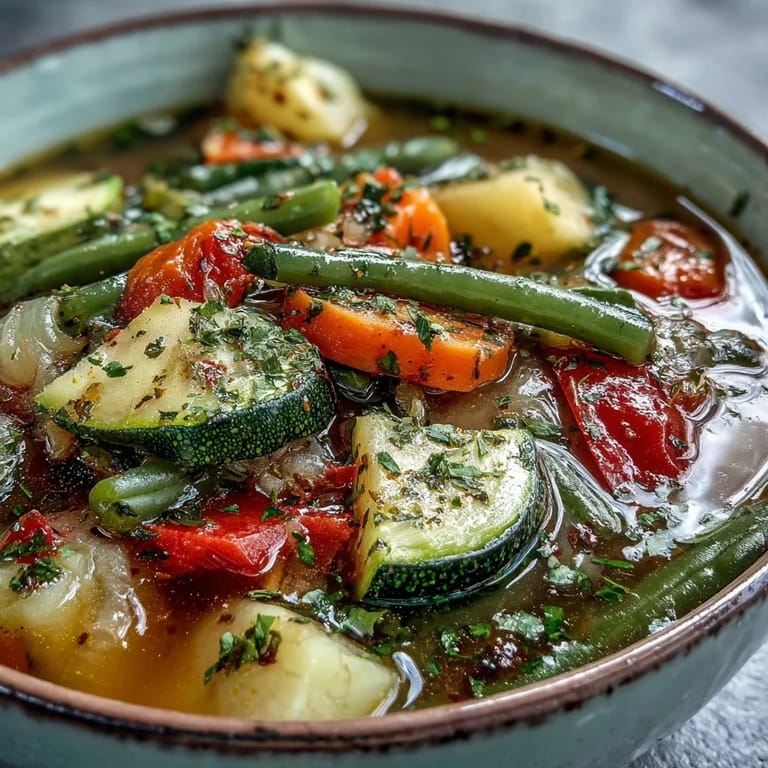
- When you add the carrots, celery, zucchini, bell pepper, and green beans, listen for that satisfying sizzle as they hit the hot oil. Stir occasionally and watch as they begin to soften but maintain their vibrant colors.
- Establish the liquid canvas:
- Pour in those tomatoes with their juices, feeling that momentary steam rise as they hit the hot vegetables, then add the broth, potato and all those fragrant herbs. The kitchen will suddenly fill with an Italian countryside aroma.
- Allow flavors to mingle:
- As the soup simmers, the magic happens in the pot as vegetables soften and release their essence into the broth. This patience-requiring step transforms separate ingredients into a cohesive soup.
- Add the finishing touches:
- Stir in those optional cannellini beans and watch as the fresh spinach wilts almost immediately when it hits the hot soup. These last-minute additions bring fresh color and texture contrast.
- Serve with love:
- Ladle the steaming soup into bowls, sprinkle with fresh parsley and maybe a dusting of Parmesan. Notice how the cheese melts slightly on contact with the hot surface.
 Pin It
 My neighbor Maria stopped by one evening just as I was ladling this soup into containers for the freezer. The aroma drew her straight to the kitchen where she insisted on tasting a spoonful, then proceeded to call her husband to bring over bread and wine. We ended up seated around my kitchen table for hours, the soup becoming the centerpiece of an unplanned gathering where we shared stories late into the evening.
Making It Your Own
This recipe welcomes personalization like few others. When tomatoes are in season, I substitute fresh ones, diced with their juices, for a brighter flavor profile. During winter months, I sometimes toss in a parmesan rind to simmer alongside everything else, fishing it out before serving for an incredible depth of umami. The soup evolves with the seasons in my kitchen, never quite the same twice but always satisfying.
Storage and Reheating
The flavors in this soup actually deepen and improve overnight as they continue to meld in the refrigerator. I often make a double batch specifically to have leftovers, which store beautifully for up to four days in sealed containers. When reheating, add a splash of fresh broth or water if its thickened too much, and consider brightening each serving with a squeeze of lemon juice to restore that just-made vibrancy.
Serving Suggestions
This soup transforms from a starter to a complete meal depending on how you serve it. Sometimes I ladle it over a small scoop of cooked farro or barley in the bowl for added texture and heartiness. The contrast between the tender vegetables and chewy grains creates a wonderful eating experience that keeps you coming back for another spoonful.
- For a traditional Italian pairing, serve with crusty ciabatta rubbed with a garlic clove and drizzled with olive oil.
- A simple side salad of arugula dressed with lemon juice, olive oil, and shaved parmesan complements the soup beautifully.
- For casual gatherings, set out small bowls of toppings like extra herbs, red pepper flakes, and grated cheese to let guests customize their portions.
 Pin It
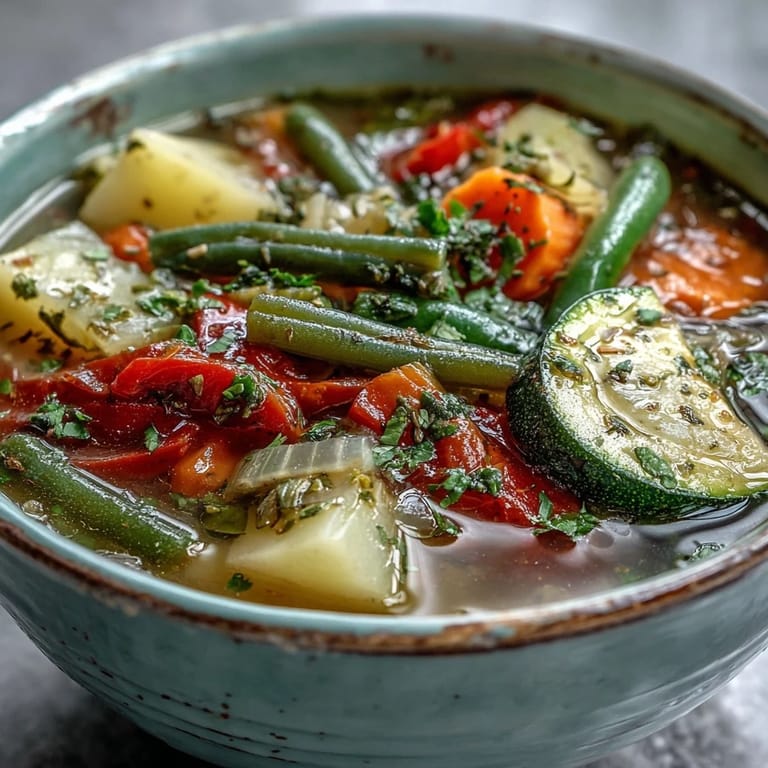
 This soup has carried me through seasonal transitions, unexpected gatherings, and quiet solo meals with equal grace. Its remarkable how something so simple can adapt to exactly what you need it to be, whether thats comfort, nourishment, or an excuse to linger at the table with those you love.
Recipe FAQs
- → Can I make this soup ahead of time?
Absolutely. This soup actually develops deeper flavors when made ahead and stored overnight. Keep refrigerated for up to 4 days or freeze for up to 3 months.
- → What vegetables work best in this soup?
The classic combination includes carrots, celery, zucchini, bell peppers, green beans, and potatoes. Feel free to add seasonal vegetables like Swiss chard, kale, or butternut squash.
- → How can I add more protein?
Cannellini beans are the traditional choice, adding creaminess and plant-based protein. Alternatively, try white kidney beans, chickpeas, or add small pasta shapes for a more substantial meal.
- → Is this suitable for meal prep?
Perfect for meal prep. Make a batch on Sunday and portion into containers for easy lunches throughout the week. The flavors continue to develop over time.
- → Can I use dried herbs instead of fresh?
Dried herbs work wonderfully here. The recipe calls for dried oregano, basil, thyme, and rosemary. If using fresh herbs, add them in the last few minutes to preserve their bright flavor.
- → What should I serve with this soup?
Crusty bread or garlic knots are perfect for soaking up the flavorful broth. A simple green salad with lemon vinaigrette complements the hearty vegetables nicely.