 Pin It
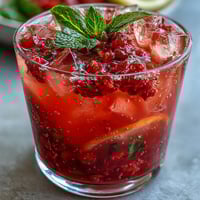
 My cousin called me three weeks before her graduation asking if I could help with the party, and honestly, my first thought was about the heat—it was going to be brutal that day. She wanted something interactive that wouldn't tie me to a kitchen all afternoon, and that's when the lemonade bar idea clicked. There's something magical about letting guests build their own drinks; it takes the pressure off you and somehow makes everyone feel like they're part of the celebration.
That graduation party was mid-June, and the backyard was already getting warm by 11 AM. I remember my cousin's mom kept saying the lemonade bar was genius because people were actually lingering outside instead of crowding in the air conditioning. By the end of the afternoon, I'd refilled the pitcher twice, and there wasn't a single untouched fruit bowl—guests had gotten creative with combinations I would've never thought to suggest.
Ingredients
- Freshly squeezed lemon juice (about 10–12 lemons): The difference between this and bottled juice is night and day, and you'll taste it immediately in how bright and clean the lemonade tastes.
- Granulated sugar: It dissolves cleanly and doesn't leave any grit at the bottom of the pitcher like some alternatives do, though you can always swap in honey or agave if you want something different.
- Cold water: Start with really cold water from your fridge or add a bit of ice to the pitcher as you stir everything together.
- Strawberries, blueberries, and raspberries: Buy these as close to party day as possible since they get soft quickly, and hull the strawberries right before serving so they don't weep into the lemonade.
- Oranges and lemons for slicing: Thin slices look beautiful and give guests something textural to grab, plus they add subtle flavor as people sip.
- Pineapple, watermelon, and cucumber: These bring a tropical or cooling element that surprises people in the best way.
- Fresh mint, basil, and rosemary: Basil with lemon is underrated, and just a sprig of rosemary can completely change someone's drink if they're feeling adventurous.
- Flavored syrups (optional): These are your wild card for guests who want something sweeter or more complex, but make sure they're displayed separately so people know they're optional.
- Club soda or sparkling water: Keep this on ice nearby, and let people know they can add it if they want their drink fizzy.
Tired of Takeout? 🥡
Get 10 meals you can make faster than delivery arrives. Seriously.
One email. No spam. Unsubscribe anytime.
Instructions
- Squeeze the lemons and mix your base:
- Use a citrus juicer to get every drop from those lemons—you'll end up with about 2 cups of juice. Whisk the lemon juice with sugar in a large pitcher, and keep stirring until the sugar completely dissolves, which usually takes a minute or two.
- Add your water and taste:
- Pour in 8 cups of cold water and give it a good stir. Always taste it at this point because you might want to add another tablespoon of sugar or a splash more water depending on how tart your lemons were.
- Chill the base:
- Pop the pitcher in the fridge if you have time, or at least let it sit while you prep everything else. Cold lemonade always tastes better than room-temperature lemonade.
- Prep all your fruits and herbs:
- This is where things get colorful and fun. Slice your oranges and lemons thin, cube your watermelon, slice the cucumber, and cut up your pineapple, leaving everything on a cutting board until you're ready to arrange it.
- Arrange everything on the bar:
- Put each fruit and herb in its own small bowl or jar so guests can see what they're grabbing. Line them up in a way that feels inviting—maybe start with the lighter fruits and work toward the berries, or group by color.
- Set up the ice and glassware:
- Fill a bucket with ice and place it near the pitcher so guests can grab what they need. Line up clean glasses nearby, and don't forget straws and small spoons for stirring in herbs.
- Let guests build their own:
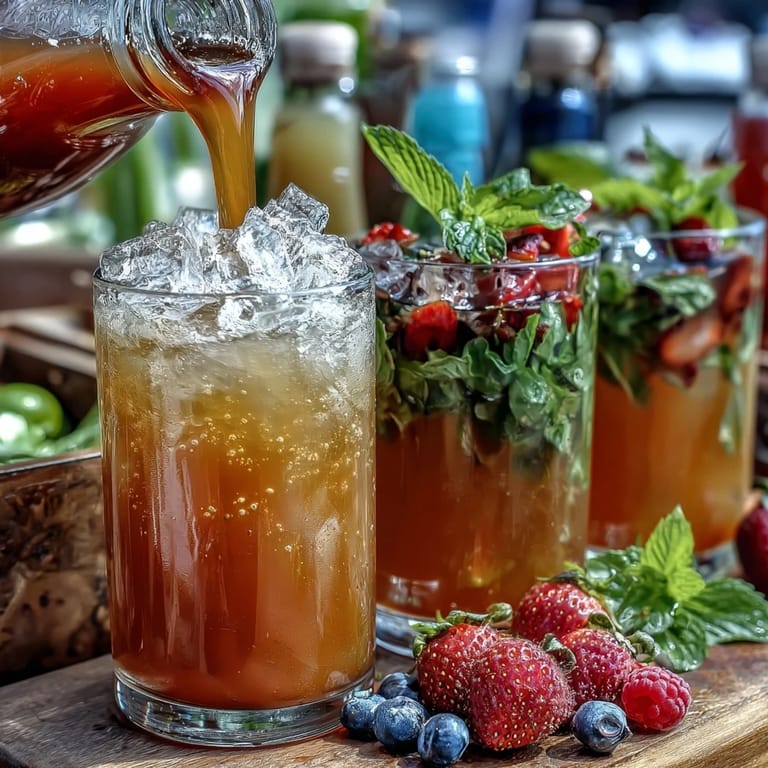
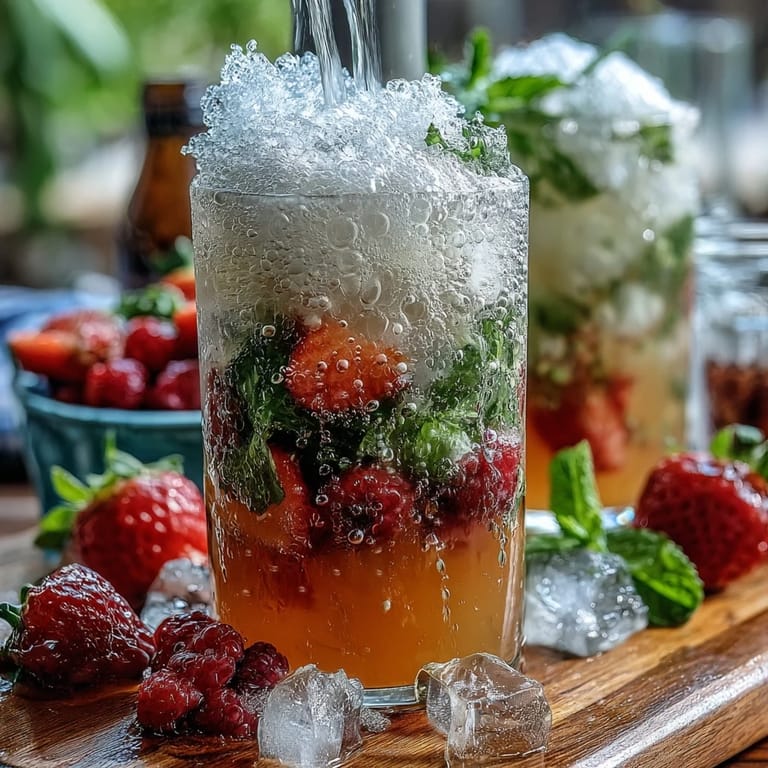
- This is the fun part—just explain that they fill their glass with ice, pour the lemonade, and then add whatever toppings and flavors they want. No wrong answers here.
 Pin It
 What made that graduation party special wasn't the lemonade itself—it was watching my cousin's 70-year-old grandmother get excited about making a drink with rosemary and blueberries, then genuinely shocked that it tasted good. That's the hidden gift of a self-serve bar; it gives people permission to be a little playful.
The Art of Flavor Combinations
Not everyone walks up to a lemonade bar knowing what they want, and that's totally fine. Some guests will stick with the classic, barely-touching-the-add-ins approach, while others will go full mad scientist. The strawberry-basil combo is a crowd favorite because the basil brings a peppery note that makes the strawberry taste more strawberry-like. Blueberry and rosemary together is more sophisticated and works great if your crowd is into that. Watermelon and mint is the obvious choice, but it's obvious for a reason—it genuinely tastes like summer. If someone grabs cucumber, they're usually the type who wants their drink refreshing and light, so steering them toward a squeeze of fresh lemon before they add anything else usually makes them happy.
Timing and Setup Strategy
The real trick to making this work is doing almost everything before guests arrive. Get your lemonade made and chilled at least an hour ahead, even if the party isn't until afternoon. Your hands will thank you, and you'll have time to actually set up the bar properly instead of rushing. When you're arranging the fruits and herbs, think about traffic flow—put the ice and glasses on one side, the lemonade pitcher in the middle, and the add-ins on the other side so people naturally move in one direction and don't get tangled up. If you have a lot of guests coming, set up two stations instead of one; nothing kills the vibe faster than everyone crowding around a single table.
Customization Ideas and Guest Preferences
The beauty of this setup is that it works for basically every taste preference and dietary need. Kids usually gravitate toward the berries and might want a syrup pump added in, while people watching sugar intake can make a lighter version or skip the syrup entirely. If you want to add a booze option for adults, I'd keep it separate with a small sign—vodka or gin both pair beautifully with lemonade, and some guests will appreciate the option without feeling like it's expected. You can also make an herbal-infused lemonade the night before by steeping fresh mint or basil in the sugar-water mixture for a few hours, then straining it out before the party; this gives you an extra flavor dimension without much extra work.
- For a lower-sugar option, replace some of the granulated sugar with honey or agave, or offer both and let guests sweeten their own glass.
- If someone mentions an allergy, keep the syrups nearby so you can check the labels together rather than assuming they're safe.
- Have a backup pitcher of plain lemonade ready just in case you run out—people drink more on hot days than you'd expect.
 Pin It
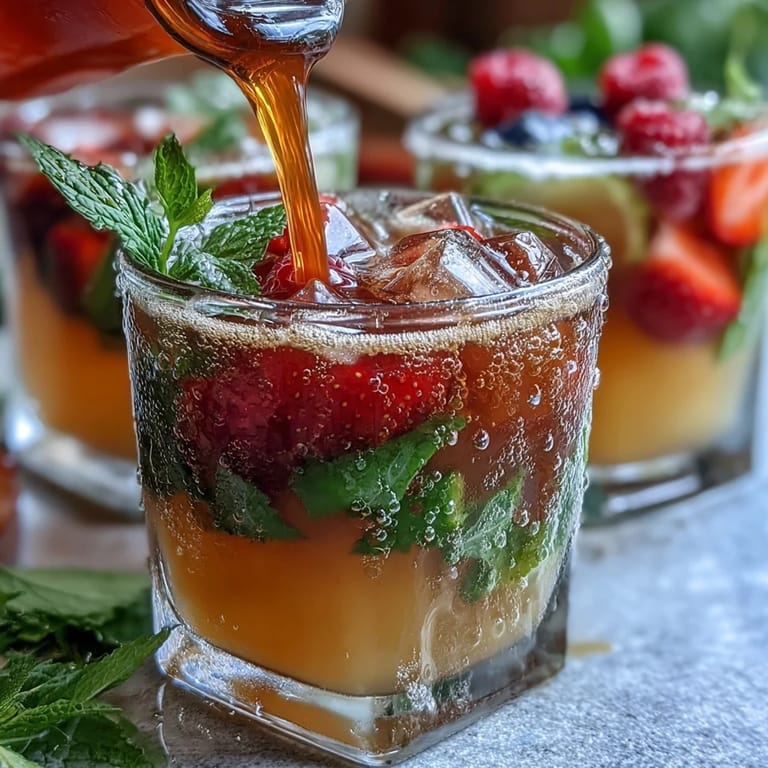
 There's something genuinely joyful about a lemonade bar that has nothing to do with the actual lemonade—it's about giving people a moment to pause, play a little, and make something that feels uniquely theirs. That's why your guests will remember this drink.
Recipe FAQs
- → How do I prepare the classic lemonade base?
Whisk freshly squeezed lemon juice with granulated sugar until dissolved, then stir in cold water. Chill before serving.
- → What fresh add-ins work well for flavor customization?
Try sliced strawberries, blueberries, raspberries, oranges, lemons, pineapple, watermelon, cucumber, mint, basil, and rosemary.
- → Can the lemonade bar include sparkling options?
Yes, provide club soda or sparkling water for guests wanting a fizzy twist.
- → How should I set up the lemonade bar for guests?
Place the lemonade in pitchers or dispensers, arrange add-ins in bowls, and provide ice, glasses, straws, and utensils for easy self-service.
- → Are there ways to reduce sweetness in the lemonade base?
Reduce sugar or substitute with honey or agave syrup to adjust sweetness to taste.
- → What tools are needed for assembly?
A large pitcher, bowls for add-ins, a citrus juicer, cutting board, knife, tongs, spoons, and an ice bucket are recommended.