 Pin It
 My grandmother's kitchen smelled like hot oil and cornmeal on Friday nights, and it wasn't until I was older that I realized fried catfish wasn't just dinner—it was how she showed up for people. The first time I made this myself, I was nervous about the oil temperature, checking it obsessively with a thermometer like it might betray me. But the moment that first golden fillet hit the pan and the sizzle filled the kitchen, something clicked. This recipe carries that same confidence she had, the kind that comes from knowing exactly what you're doing and why it matters.
I cooked this for my partner's family the first time they came over, and I was terrified the oil would splatter or the catfish would dry out. Instead, watching everyone's faces when they tasted it—that exact moment when you see someone genuinely surprised by how good something is—made me understand why soul food cooking is really about generosity. They asked for the recipe before dessert was even cleared, which felt like the highest compliment.
Ingredients
- Catfish fillets: Four pieces around 6 ounces each work best because they stay moist through frying and cook evenly, unlike thinner white fish that can turn stringy.
- Buttermilk: This acidic marinade tenderizes the fish and helps the coating adhere beautifully, so don't skip it or use regular milk as a substitute.
- Yellow cornmeal: The coarser the meal, the crunchier your crust will be, so seek out stone-ground if your grocery store carries it.
- All-purpose flour: A half cup mixed with cornmeal creates structure and helps the coating brown evenly without becoming too thick.
- Paprika, garlic powder, and onion powder: These three work together to build savory depth without overpowering the delicate fish flavor.
- Cayenne pepper: Just a half teaspoon gives you heat that builds slowly rather than shocking your palate, so taste as you adjust.
- Vegetable oil: Use something neutral like canola or peanut oil that can handle high heat without smoking or breaking down.
- Mayonnaise: Full-fat mayo is essential for the remoulade because low-fat versions break down during mixing and taste thin.
- Dijon mustard and horseradish: These bring sharpness that balances the richness of the fried fish and mayo base.
- Smoked paprika: Don't confuse this with regular paprika, as the smoke adds depth that makes people ask what your secret ingredient is.
- Fresh lemon juice: Bottled juice works, but fresh squeezed brightens everything and keeps the sauce from tasting flat or aged.
Tired of Takeout? 🥡
Get 10 meals you can make faster than delivery arrives. Seriously.
One email. No spam. Unsubscribe anytime.
Instructions
- Prepare your buttermilk bath:
- Whisk together buttermilk and hot sauce in a shallow dish, then submerge your catfish fillets completely. Let them sit for at least fifteen minutes, though thirty is even better because the longer they marinate, the more tender they'll become.
- Build your seasoning blend:
- Combine cornmeal, flour, paprika, garlic powder, onion powder, cayenne, salt, and black pepper in another shallow dish, mixing thoroughly so every spoonful tastes the same. This is where you're actually creating the flavor foundation, not just a coating.
- Heat your oil properly:
- Pour about an inch of vegetable oil into a deep skillet or Dutch oven and bring it to 350°F, using a thermometer because guessing leads to either pale soggy fish or burnt exteriors. If you don't have a thermometer, drop a tiny piece of cornmeal coating into the oil and watch how it sizzles—it should bubble vigorously without browning instantly.
- Coat and fry with confidence:
- Lift each fillet from the buttermilk, let excess drip off back into the dish, then press it gently into the cornmeal mixture on both sides until fully covered. Working in batches so you don't overcrowd the pan, fry each fillet for three to four minutes per side until the coating turns deep golden brown and the fish flakes easily when tested with a fork.
- Drain and rest:
- Transfer each piece to a paper towel-lined plate immediately after frying so the oil can drain away and the coating stays crispy. Serve them hot because cold fried fish loses something essential.
- Mix your remoulade sauce:
- Combine mayonnaise, Dijon mustard, horseradish, hot sauce, pickle relish, lemon juice, minced garlic, smoked paprika, and parsley in a bowl, stirring until completely smooth. Taste it and adjust salt and pepper until it tastes bright and balanced, not overly spicy or mustard-forward.
 Pin It
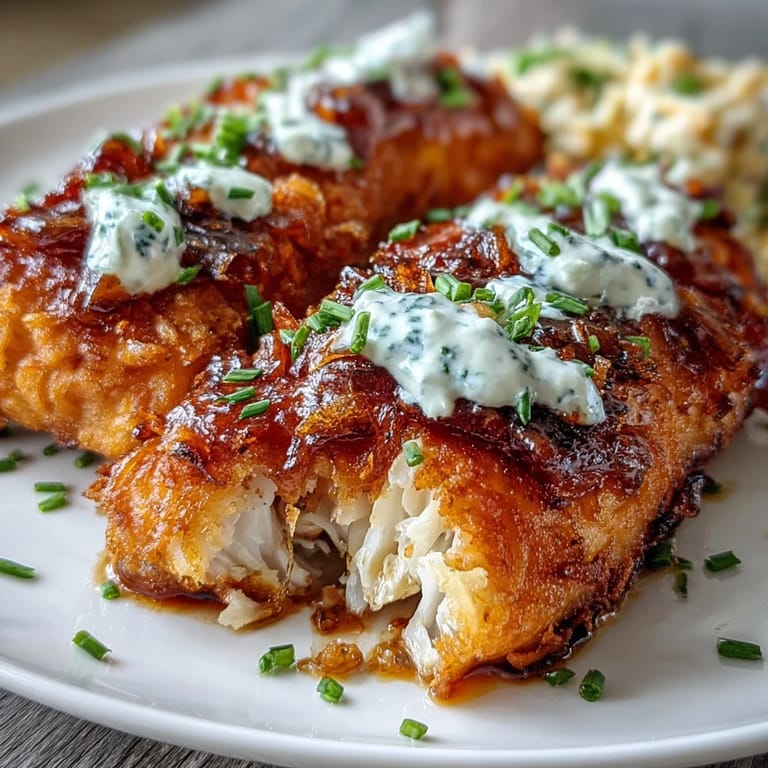
 There's a moment right when the remoulade hits the hot fish that everything comes together—the heat melts the mayo slightly and the brightness of the horseradish and lemon cuts through the richness perfectly. I realized then that this dish is about contrast: crispy outside meets tender inside, heat balanced against cool tang, the simple protein elevated by bold flavors working in harmony.
The Double-Dip Secret
The first time someone suggested double-dipping, I thought it was overkill and skipped it. The results were fine but ordinary, lacking that satisfying crunch that makes fried catfish memorable. Now I always double-dip because that second coating adheres differently and creates layers that stay crispy even as the fish cools slightly, which matters if people aren't eating everything at once.
What to Serve Alongside
Creamy coleslaw cuts through the richness and gives your mouth a break between bites, while hush puppies continue the fried tradition in a way that feels celebratory rather than heavy. Creamy grits made with butter and cheese create a warm foundation that reminds you why soul food cooking developed in the first place—it's about nourishment and comfort and making people feel cared for.
Storage and Leftovers
Fried catfish tastes best hot and fresh, but leftovers can be refrigerated for up to two days in an airtight container. Reheat gently in a 300°F oven for about ten minutes rather than microwaving, which makes the coating soggy and defeats the entire purpose of frying it in the first place. The remoulade sauce keeps for about a week and actually tastes better the next day once the flavors marry, so make extra.
- Cold fried catfish becomes surprisingly good in sandwiches with extra remoulade and fresh tomato slices.
- Leftover catfish can be flaked into a creamy pasta or stirred into cornbread batter for a variation that feels new.
- Always store fried fish separately from the remoulade sauce so the coating doesn't soften from moisture.
 Pin It
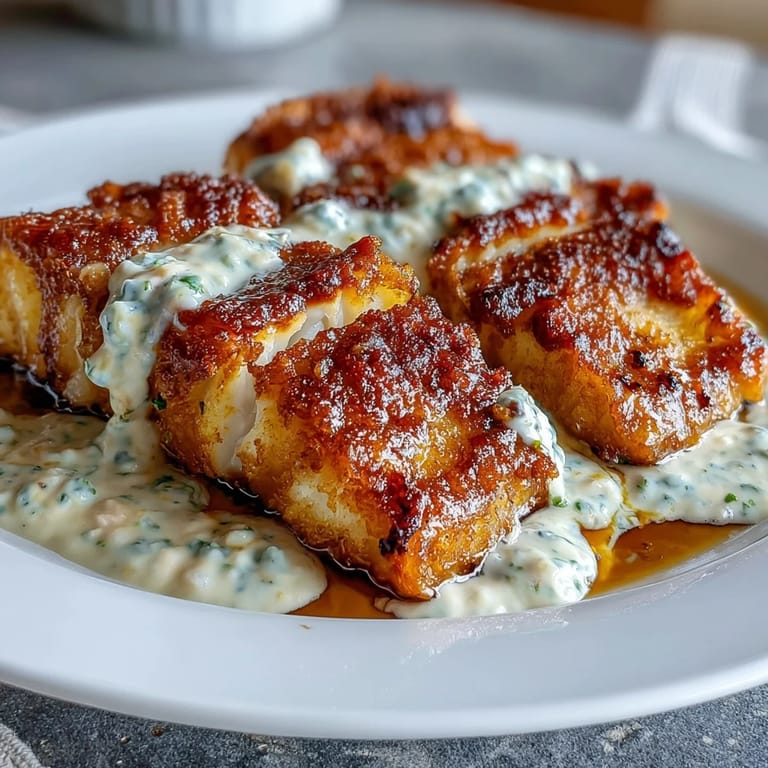
 This recipe carries something beyond technique or ingredients—it's about understanding why people gather around food and what makes them come back. Making fried catfish with remoulade sauce means you're continuing a tradition of generosity, one golden fillet at a time.
Recipe FAQs
- → How do I get extra crispy catfish fillets?
For extra crunch, double-dip the fillets by returning them to the buttermilk and dredging again in the cornmeal mixture before frying.
- → Can I substitute catfish with other fish?
Yes, tilapia or cod can be used as alternatives while maintaining similar flavors and textures.
- → What oil is best for frying catfish?
Vegetable oil heated to 350°F (175°C) works well, providing a neutral taste and crispy finish.
- → How can I adjust the remoulade sauce for extra heat?
Increase the amount of hot sauce and smoked paprika to boost the sauce's spiciness according to taste.
- → What sides pair well with fried catfish and remoulade sauce?
Coleslaw, hush puppies, and creamy grits complement the dish with contrasting textures and flavors.